3613 A PDF Template

3613 A PDF Template

The 3613 A form is a Provider Investigation Report designed specifically for use by various types of care facilities, including Skilled Nursing Facilities and Assisted Living Facilities. This form is crucial for documenting incidents such as abuse, neglect, or other significant events involving residents. To ensure proper reporting, fill out the form by clicking the button below.

Article Guide

The 3613 A form serves as a vital tool for various healthcare facilities, including Skilled Nursing Facilities (SNF), Nursing Facilities (NF), Intermediate Care Facilities for Individuals with Intellectual Disabilities (ICF/IID), Assisted Living Facilities (ALF), Adult Day Care Facilities (ADC), and Day and Activity Health Services Facilities (DAHS). This form is specifically designed to document incidents that may involve serious allegations such as abuse, neglect, or exploitation. It requires detailed information, including the nature of the incident, the individuals involved, and the actions taken by the provider in response to the situation. The form also emphasizes confidentiality, ensuring that sensitive information remains protected. With sections dedicated to identifying the alleged perpetrator and assessing the impact of the incident, the 3613 A form facilitates a thorough investigation process. Providers must fax this report to the Texas Department of Aging and Disability Services (DADS) or mail it, depending on the urgency of the matter. The inclusion of specific incident categories allows for a streamlined approach to reporting, making it easier for facilities to comply with regulatory requirements while safeguarding the rights and well-being of their residents.

3613 A Preview

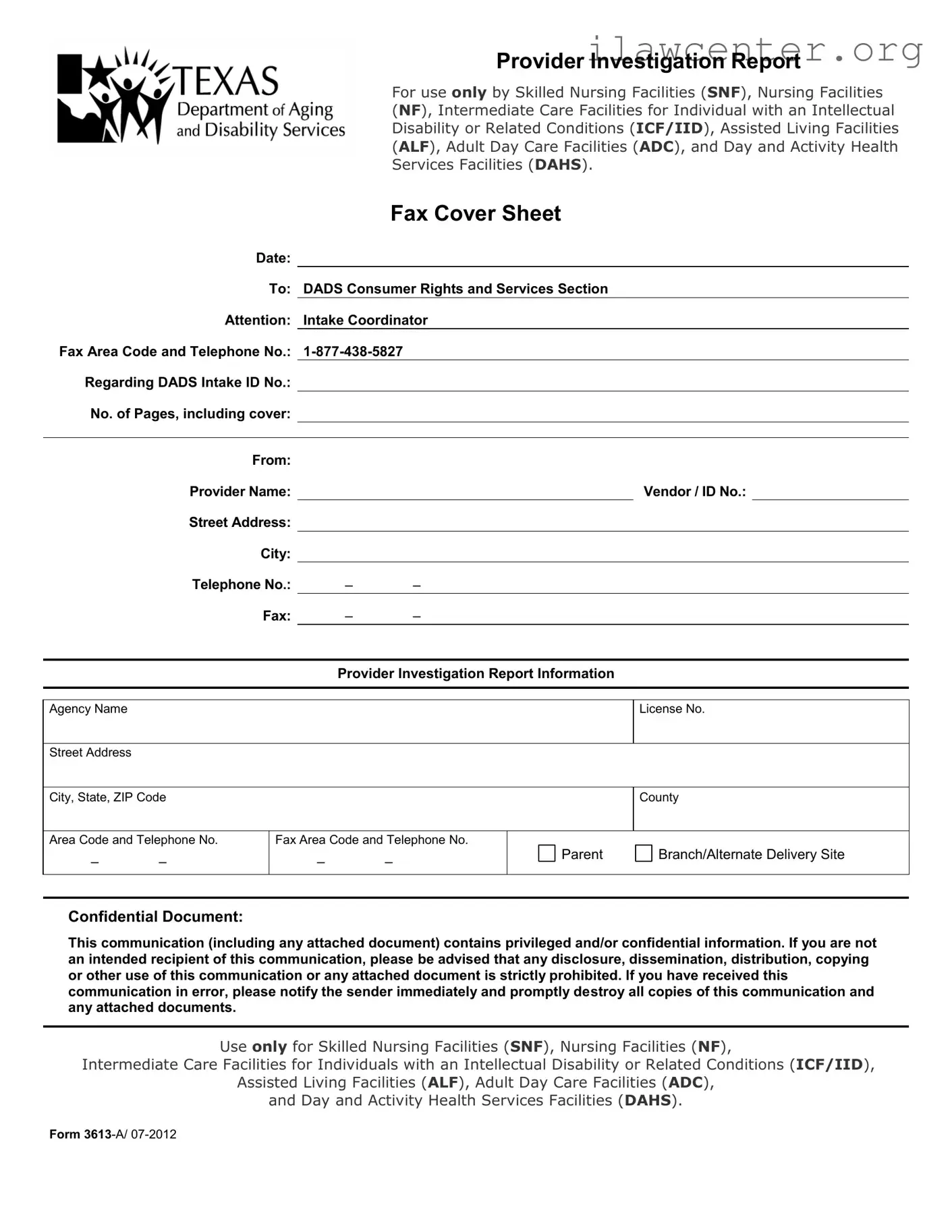
Provider Investigation Report
For use only by Skilled Nursing Facilities (SNF), Nursing Facilities
(NF), Intermediate Care Facilities for Individual with an Intellectual
Disability or Related Conditions (ICF/IID), Assisted Living Facilities
(ALF), Adult Day Care Facilities (ADC), and Day and Activity Health
Services Facilities (DAHS).
Fax Cover Sheet
Date:
To:
DADS Consumer Rights and Services Section
Attention:
Intake Coordinator
Fax Area Code and Telephone No.:
1-877-438-5827
Regarding DADS Intake ID No.:
No. of Pages, including cover:
From:
Provider Name:
Vendor / ID No.:
Street Address:
City:
Telephone No.:
Fax:
Provider Investigation Report Information
Agency Name
License No.
Street Address
City, State, ZIP Code
County
Area Code and Telephone No.
Fax Area Code and Telephone No.
Parent Branch/Alternate Delivery Site
Confidential Document:
This communication (including any attached document) contains privileged and/or confidential information. If you are not
an intended recipient of this communication, please be advised that any disclosure, dissemination, distribution, copying
or other use of this communication or any attached document is strictly prohibited. If you have received this
communication in error, please notify the sender immediately and promptly destroy all copies of this communication and
any attached documents.
Use only for Skilled Nursing Facilities (SNF), Nursing Facilities (NF),
Intermediate Care Facilities for Individuals with an Intellectual Disability or Related Conditions (ICF/IID),
Assisted Living Facilities (ALF), Adult Day Care Facilities (ADC),
and Day and Activity Health Services Facilities (DAHS).
Form 3613-A/ 07-2012
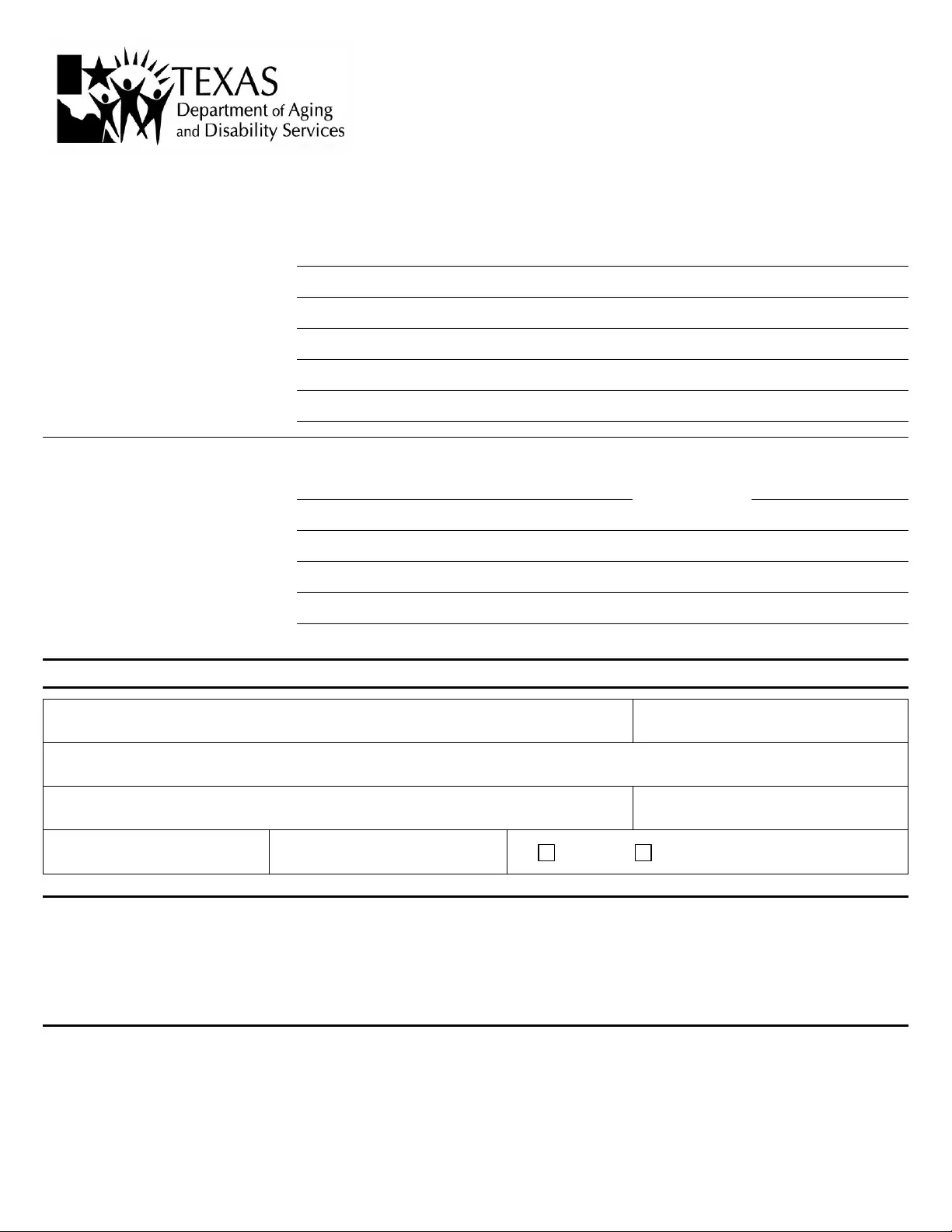
Texas Department of Aging
and Disability Services
SNF, NF, ICF/IID, ALF, ADC, DAHS
Provider Investigation Report
Form 3613-A
July 2012
Fax this report to:
1-877-438-5827 (toll free)
Note to reporter:
Do not mail if faxed.
or
Mail this report to:
Texas Department of Aging and Disability Services, Consumer Rights and Services
Section, E-249, P.O. Box 149030, Austin, TX 78714-9030
DADS Intake ID No.
Date Reported to DADS 800-458-9858
Time Reported
:
A.M.
P.M.
Provider Type
Vendor / ID No.
Telephone No.
Name
Fax
Street Address
City
ZIP Code
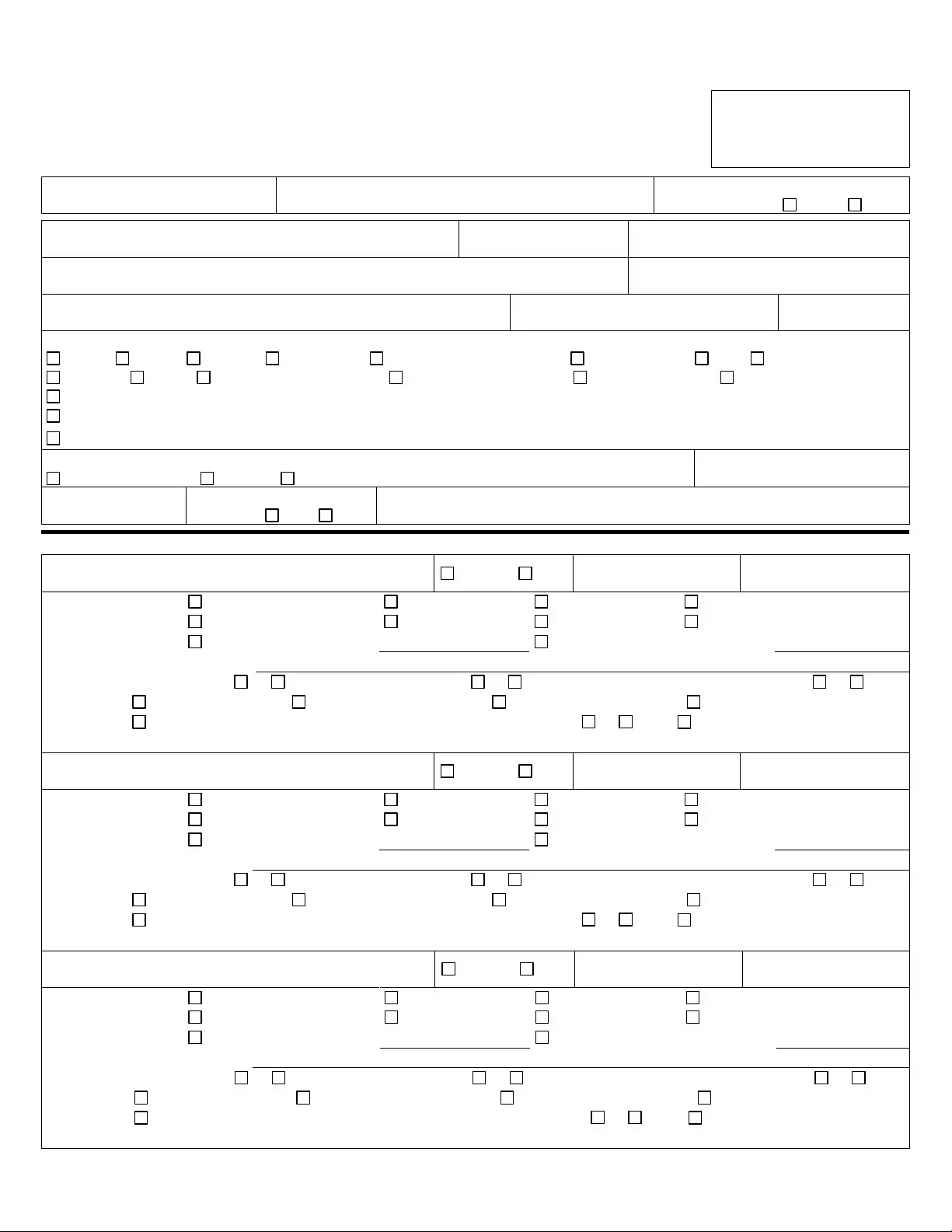
Incident Category
Death Abuse Neglect Exploitation Missing Resident/Individual Drug Diversion Fire Bomb Threat
Tornado Flood Emergency Power Failure Sprinkler System Failure Fire Alarm Failure Firearms in the Building
Air Conditioning Failure if Outdoor Temperature is or will be 90 Degrees or Above
Heating System Failure if Outdoor Temperature is 65 Degrees or Below
Others, specify
Who made the allegation?
When?
Individual /Resident Family Other
Incident Date
Time
Location
:
A.M.
P.M.
Individual(s)/Resident(s) Involved, Including Alleged Victim(s) or Alleged Aggressor(s)
Name
Female Male
Social Security No.
Date of Birth
Functional Ability:
Total assistance
Extensive
Minimal
No assistance
Level of Supervision:
No special supervision
Within eyesight
Within hearing
Within arm’s length
Within specified distance:
Specified observation time frame:
Other:
Independently ambulatory
Y N
Interviewable
Y N
Capacity to make informed decisions
Y N
History of
Combativeness
Verbal aggression
Physical aggression
Sexual misconduct
Wandering
Wearing wander guard at time of incident
Y N
Similar allegations
Other pertinent history:
Name
Female Male
Social Security No.
Date of Birth
Functional Ability:
Total assistance
Extensive
Minimal
No assistance
Level of Supervision:
No special supervision
Within eyesight
Within hearing
Within arm’s length
Within specified distance:
Specified observation time frame:
Other:
Independently ambulatory
Y N
Interviewable
Y N
Capacity to make informed decisions
Y N
History of
Combativeness
Verbal aggression
Physical aggression
Sexual misconduct
Wandering
Wearing wander guard at time of incident
Y N
Similar allegations
Other pertinent history:
Name
Female Male
Social Security No.
Date of Birth
Functional Ability:
Total assistance
Extensive
Minimal
No assistance
Level of Supervision:
No special supervision
Within eyesight
Within hearing
Within arm’s length
Within specified distance:
Specified observation time frame:
Other:
Independently ambulatory
Y N
Interviewable
Y N
Capacity to make informed decisions
Y N
History of
Combativeness
Verbal aggression
Physical aggression
Sexual misconduct
Wandering
Wearing wander guard at time of incident
Y N
Similar allegations
Other pertinent history:
Form 3613-A
Page 2 / 07-2012
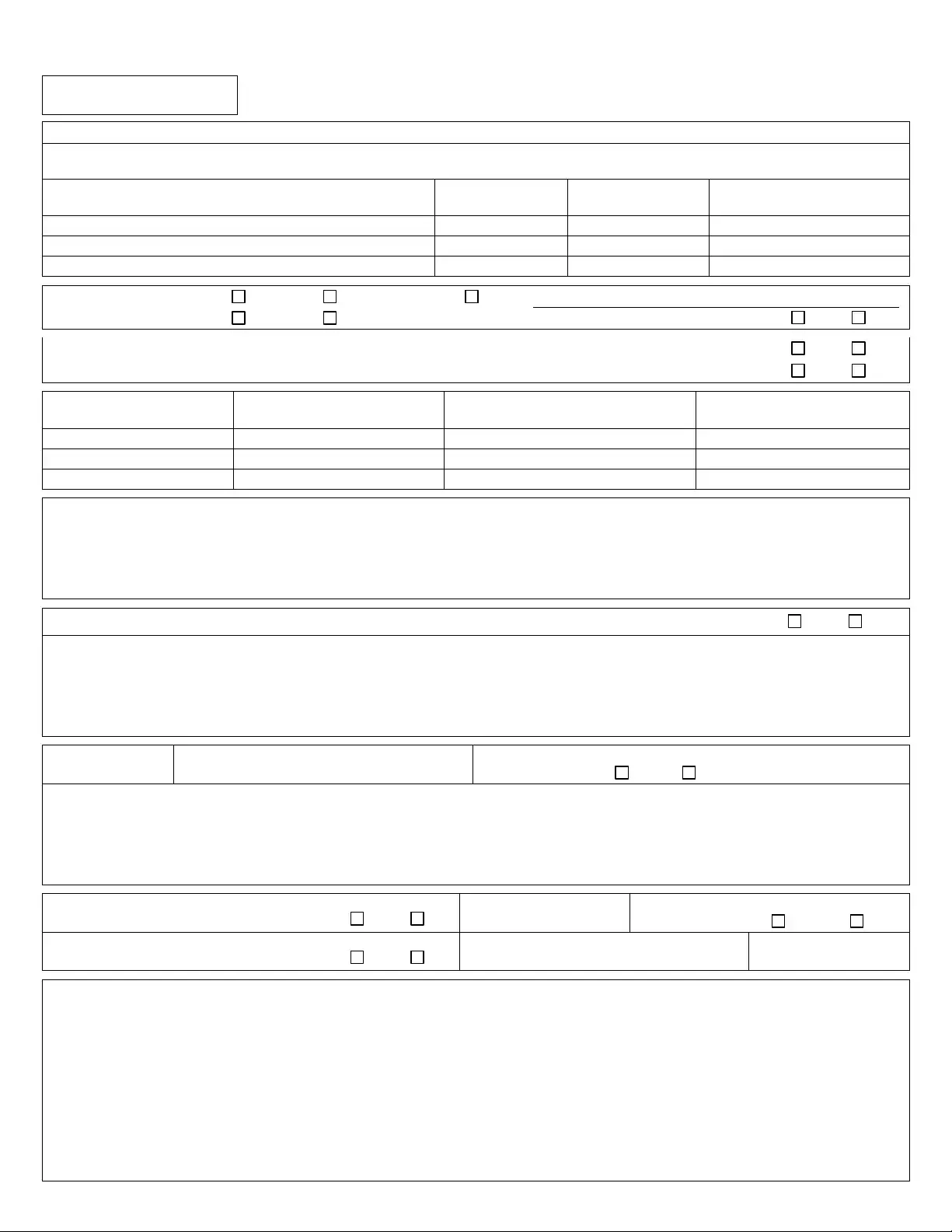
DADS Intake ID No.
Alleged Perpetrator(s) (AP)
(If alleged perpetrator is somebody other than a staff member, indicate this individual’s relationship to the person. Example: relative,
visitor, etc.)
Name
Date of Birth
Social Security No.
License/Certificate No.
How was the AP identified?
By name
By description
Other:
Perpetrator:
Denied
Confirmed
History of similar allegations? ...................................
Yes No
Did investigation reveal the presence of a witness? ..............................................................................................................
Yes No
Statement attached (signed and notarized, if possible) .........................................................................................................
Yes No
Witness(es) Name
Individual/Patient/Family/Staff/Other
Address
Area Code and Telephone No.
Description of the Allegation
Injury/Adverse Effect? ....................................................................................................................................................
Yes No
Description of Injury
Assessment
Date
Time
:
A.M.
P.M.
Description of Assessment
Treatment provided? ............................................
Yes No
Treatment/Transfer Date
Time
:
A.M.
P.M.
Treatment location: In-House ...................................
Yes No
Off-site
City
Provider Response
Form 3613-A
Page 3 / 07-2012
DADS Intake ID No.
Investigation Summary (attach additional sheets, as necessary)
Investigation Findings
Confirmed Unconfirmed Inconclusive Unfounded
Provider Action Taken Post-Investigation
Signature
Title
Printed Name
Date

File Properties

Fact Name Details
Purpose The 3613 A form is a Provider Investigation Report specifically designed for various types of healthcare facilities, including Skilled Nursing Facilities and Assisted Living Facilities.
Governing Laws This form is governed by Texas state regulations regarding the reporting and investigation of incidents in healthcare settings.
Submission Method Providers must fax the completed form to the Texas Department of Aging and Disability Services at the toll-free number 1-877-438-5827.
Confidentiality Notice The form contains a confidentiality notice, indicating that the information is privileged and should not be disclosed to unauthorized individuals.
Incident Categories Various incident categories are listed, including abuse, neglect, drug diversion, and emergency situations like fire or flooding.
Reporting Timeline Providers are required to report incidents to the Department of Aging and Disability Services promptly, specifying the date and time of the report.
Victim Information The form collects detailed information about individuals involved in the incident, including their functional abilities and level of supervision required.
Investigation Findings After the investigation, the form allows for the documentation of findings, which can be confirmed, unconfirmed, inconclusive, or unfounded.

Instructions on Utilizing 3613 A

Filling out the 3613 A form is a critical step for certain facilities when reporting incidents. It is essential to provide accurate and detailed information to ensure proper investigation and response. After completing the form, it should be faxed or mailed to the appropriate department as indicated in the instructions.

  1. Obtain the Form: Download or print the 3613 A form from the Texas Department of Aging and Disability Services website or obtain a physical copy from your facility.
  2. Fill in the Fax Cover Sheet: Include the date, recipient details (DADS Consumer Rights and Services Section, Attention: Intake Coordinator), fax number (1-877-438-5827), and your contact information.
  3. Complete the Provider Information: Enter the provider name, vendor/ID number, street address, city, and telephone number.
  4. Document Incident Details: Specify the incident category (e.g., death, abuse, neglect) and provide the date, time, and location of the incident.
  5. Identify Individuals Involved: List all individuals involved, including the alleged victim(s) and aggressor(s). Include their names, genders, social security numbers, dates of birth, functional abilities, and levels of supervision required.
  6. Detail the Allegation: Provide a thorough description of the allegation, including any injuries or adverse effects that occurred as a result.
  7. Document the Alleged Perpetrator(s): If applicable, include information about the alleged perpetrator(s), including their relationship to the individual involved.
  8. Provide Investigation Summary: Summarize the investigation findings, indicating whether they were confirmed, unconfirmed, inconclusive, or unfounded. Describe any actions taken post-investigation.
  9. Sign and Date the Report: Ensure that the report is signed by an authorized individual, including their printed name and title, along with the date of submission.
  10. Submit the Form: Fax the completed form to the designated number or mail it to the Texas Department of Aging and Disability Services address provided.

Important Facts about 3613 A

What is the purpose of the 3613 A form?

The 3613 A form is designed to document incidents within various types of healthcare facilities, including skilled nursing facilities, assisted living facilities, and adult day care facilities. It serves as a formal report for the Texas Department of Aging and Disability Services (DADS), ensuring that any allegations of abuse, neglect, or other significant incidents are properly recorded and investigated.

Who is required to use the 3613 A form?

This form must be used by providers operating in skilled nursing facilities (SNF), nursing facilities (NF), intermediate care facilities for individuals with intellectual disabilities (ICF/IID), assisted living facilities (ALF), adult day care facilities (ADC), and day and activity health services facilities (DAHS). These facilities must report incidents that may affect the health and safety of their residents.

How should the 3613 A form be submitted?

The completed form can be submitted either by fax or by mail. To fax the report, send it to 1-877-438-5827. If mailing, send it to the Texas Department of Aging and Disability Services, Consumer Rights and Services Section, E-249, P.O. Box 149030, Austin, TX 78714-9030. It is important to note that if the form is faxed, it should not be mailed as well.

What types of incidents should be reported using the 3613 A form?

Incidents that require reporting include, but are not limited to, allegations of abuse, neglect, exploitation, missing residents, drug diversion, and various emergencies such as fire or power failure. The form includes specific categories to ensure that all relevant incidents are captured and addressed appropriately.

What information is needed to complete the 3613 A form?

To complete the form, providers need to include detailed information about the incident, such as the date, time, location, and individuals involved. Information about the alleged perpetrator, witnesses, and any injuries or adverse effects must also be documented. This thoroughness helps in conducting a comprehensive investigation.

What happens after the 3613 A form is submitted?

Once the form is submitted, the Texas Department of Aging and Disability Services will review the report. An investigation may be initiated to determine the validity of the allegations. The findings will be documented, and appropriate actions will be taken based on the results of the investigation.

Can the information on the 3613 A form be kept confidential?

Yes, the information contained in the 3613 A form is considered confidential. The form includes a disclaimer indicating that it contains privileged information. Disclosure of this information to unauthorized individuals is strictly prohibited, ensuring the privacy of all parties involved.

What should a provider do if they receive the 3613 A form in error?

If a provider receives the 3613 A form by mistake, they should notify the sender immediately. It is crucial to destroy all copies of the document to prevent any unauthorized access to sensitive information. This step helps maintain the confidentiality and integrity of the reporting process.

Common mistakes

Filling out the 3613 A form can be a straightforward process, but there are common mistakes that can lead to delays or complications. One frequent error is leaving out essential information. For example, failing to include the DADS Intake ID No. or the incident date can cause the form to be returned for corrections. Always double-check that all required fields are filled in completely.

Another mistake is incorrect contact information. Providing an inaccurate telephone number or fax number can hinder communication with the Department of Aging and Disability Services (DADS). Make sure to verify that the information you provide is current and correct. This small step can save a lot of time and frustration.

People often overlook the importance of specifying the incident category. Whether it’s abuse, neglect, or another serious issue, categorizing the incident correctly is crucial. Misclassification can lead to inappropriate responses or investigations. Take a moment to read through the options carefully and select the one that best fits the situation.

Many individuals also forget to include details about the individuals involved in the incident. This includes names, dates of birth, and social security numbers. Omitting this information can delay the investigation process. Be thorough and ensure that all relevant details are provided to facilitate a swift response.

Another common issue arises when reporters fail to attach necessary documentation. If there are witness statements or other supporting documents, these should be included with the form. A complete submission helps DADS understand the situation better and can expedite the investigation.

Lastly, not reviewing the form before submission can lead to simple mistakes that could have been easily corrected. Take a few minutes to read through everything. This review can help catch any errors or omissions that might otherwise cause issues later on. A careful review ensures that your report is clear and complete, helping to facilitate a smoother process.

Documents used along the form

The 3613 A form is an essential document used by various healthcare facilities to report incidents involving residents. Along with this form, there are several other documents that may be necessary to complete the reporting process. Below is a list of common forms and documents that are often used in conjunction with the 3613 A form.

  • Incident Report Form: This document provides a detailed account of the incident, including the time, place, and individuals involved. It serves as a primary record for internal investigations.
  • Witness Statement: A written account from individuals who witnessed the incident. This statement helps clarify what happened and may include contact information for follow-up.
  • Medical Assessment Report: This report outlines any medical evaluations or treatments provided to the affected individuals. It is crucial for documenting injuries or adverse effects resulting from the incident.
  • Follow-Up Investigation Report: After the initial report, this document summarizes the findings of any further investigations and actions taken by the facility.
  • Staff Training Records: Documentation showing that staff have received appropriate training related to incident management and reporting. This can help demonstrate compliance with regulations.
  • Policy and Procedure Manual: A reference document outlining the facility’s protocols for handling incidents. It ensures staff are aware of the steps they need to follow.
  • Consent Forms: These forms may be needed if any medical treatment or information sharing is required. They ensure that the rights of individuals involved are respected.
  • Notification Letters: Letters sent to family members or guardians informing them of the incident. These should be clear and informative, maintaining transparency.
  • Data Collection Forms: These forms gather additional information about the incident, such as trends or patterns that may require further attention or policy changes.

Completing the 3613 A form and accompanying documents accurately is vital for ensuring the safety and rights of residents in care facilities. Each document plays a specific role in the overall process, contributing to a thorough understanding of the incident and appropriate follow-up actions.

Similar forms

The 3613 A form is similar to the following documents:

  • Incident Report Form: This document is used to record details of incidents that occur within a facility, including the nature of the incident, individuals involved, and actions taken. Like the 3613 A form, it focuses on documenting specific events and may require follow-up actions.
  • Patient Safety Report: This report is designed to capture safety concerns related to patient care. It shares similarities with the 3613 A form in that it seeks to identify risks and ensure proper protocols are followed to protect residents.
  • Abuse and Neglect Reporting Form: This form is specifically for reporting allegations of abuse or neglect. It parallels the 3613 A form by requiring detailed information about the alleged incident, individuals involved, and any witness statements.
  • Quality Assurance Report: This document assesses the quality of care provided in a facility. Similar to the 3613 A form, it evaluates incidents and outcomes to ensure compliance with standards and improve care practices.

Dos and Don'ts

When filling out the 3613 A form, it is essential to follow certain guidelines to ensure accuracy and compliance. Below is a list of things you should and shouldn't do:

  • Do read the entire form carefully before starting to fill it out.
  • Do provide complete and accurate information for each section.
  • Do double-check all entries for spelling and numerical accuracy.
  • Do ensure that the form is signed by the appropriate authority before submission.
  • Do keep a copy of the completed form for your records.
  • Don't leave any required fields blank; all sections must be completed.
  • Don't use abbreviations or shorthand that may confuse the reader.
  • Don't submit the form without verifying the recipient's fax number or mailing address.
  • Don't include personal or sensitive information that is not relevant to the report.
  • Don't forget to follow up to confirm that the form was received by the intended party.

By adhering to these guidelines, you can help ensure that the form is filled out correctly and that the necessary information is communicated effectively. This attention to detail is crucial in maintaining the integrity of the reporting process.

Misconceptions

There are several misconceptions about the 3613 A form that can lead to confusion. Here are six common misunderstandings:

  • The 3613 A form is only for skilled nursing facilities. This form is actually used by various types of facilities, including nursing facilities, intermediate care facilities, assisted living facilities, and more.
  • Filing the form is optional. In reality, it is mandatory for certain incidents involving residents or individuals in the specified facilities to be reported using this form.
  • Only serious incidents require a report. Any incident, regardless of its severity, must be reported if it falls under the categories listed on the form.
  • The form must be mailed even if it is faxed. This is incorrect; if the form is faxed, it should not be mailed.
  • Confidentiality is not a concern with this form. On the contrary, the form contains sensitive information and must be handled with care to protect the privacy of all individuals involved.
  • All allegations must be confirmed before filing the report. The report should be filed regardless of whether the allegations have been confirmed, as it is essential for proper investigation and oversight.

Understanding these points can help ensure that the form is used correctly and that all necessary incidents are reported appropriately.

Key takeaways

Filling out and using the 3613 A form requires careful attention to detail. Here are some key takeaways to consider:

  • Purpose of the Form: The 3613 A form is specifically designed for use by various types of facilities, including Skilled Nursing Facilities and Assisted Living Facilities.
  • Confidentiality: The form contains confidential information. Ensure that it is handled appropriately to protect the privacy of individuals involved.
  • Submission Methods: You can submit the form via fax or mail. If you choose to fax it, do not send a hard copy by mail.
  • Incident Reporting: Clearly indicate the type of incident being reported, such as abuse, neglect, or other emergencies.
  • Details Matter: Provide thorough details regarding the incident, including the date, time, and location, as well as information about those involved.
  • Alleged Perpetrators: Include information about any alleged perpetrators, including their relationship to the victim if they are not staff members.
  • Witness Information: If there are witnesses to the incident, document their names and contact information. Attach statements if available.
  • Investigation Summary: After completing the investigation, summarize the findings clearly, indicating whether the allegations were confirmed or unconfirmed.
  • Provider Action: Note any actions taken by the facility following the investigation. This may include treatment provided or changes in procedures.

By following these guidelines, you can ensure that the 3613 A form is filled out accurately and effectively, facilitating a proper investigation and response.