Coat Of Arms PDF Template

Coat Of Arms PDF Template

The Coat of Arms form is a document used to request the creation or registration of a coat of arms, which serves as a unique symbol representing an individual, family, or organization. This form captures essential details necessary for the design and approval process. To get started, fill out the form by clicking the button below.

Article Guide

The Coat of Arms form serves as an essential document for individuals or entities seeking to formally register a coat of arms, which is a unique heraldic symbol representing their identity, heritage, or organizational values. This form typically requires detailed information about the applicant, including their name, contact information, and the specific design elements of the coat of arms they wish to register. Additionally, applicants must provide a description of the symbolism behind each component of their design, explaining how it reflects their personal or organizational story. The submission process often involves adherence to specific guidelines set forth by the governing heraldic authority, ensuring that each coat of arms is distinct and not already in use. Understanding the nuances of the Coat of Arms form is crucial for a successful application, as it lays the groundwork for the legal recognition of one's heraldic identity.

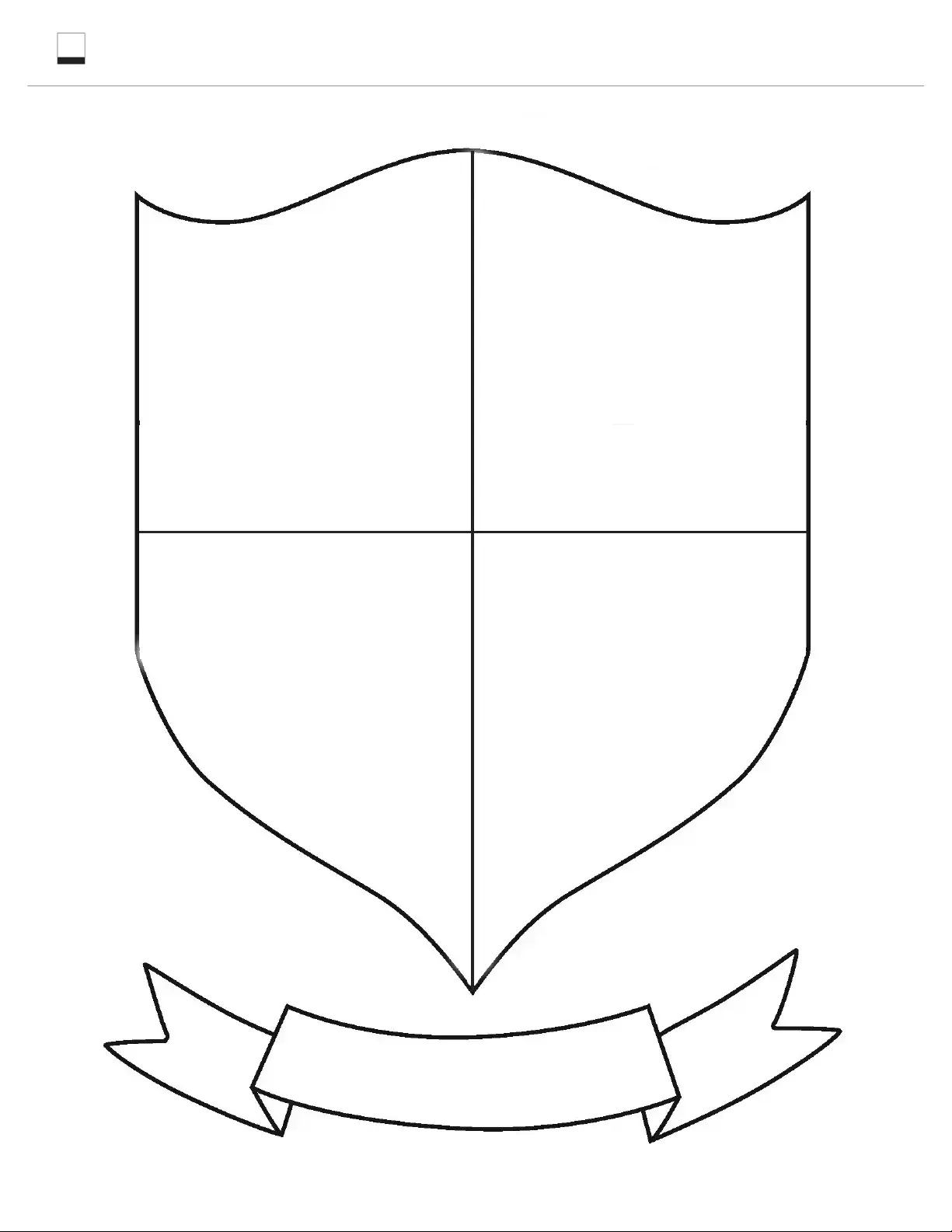
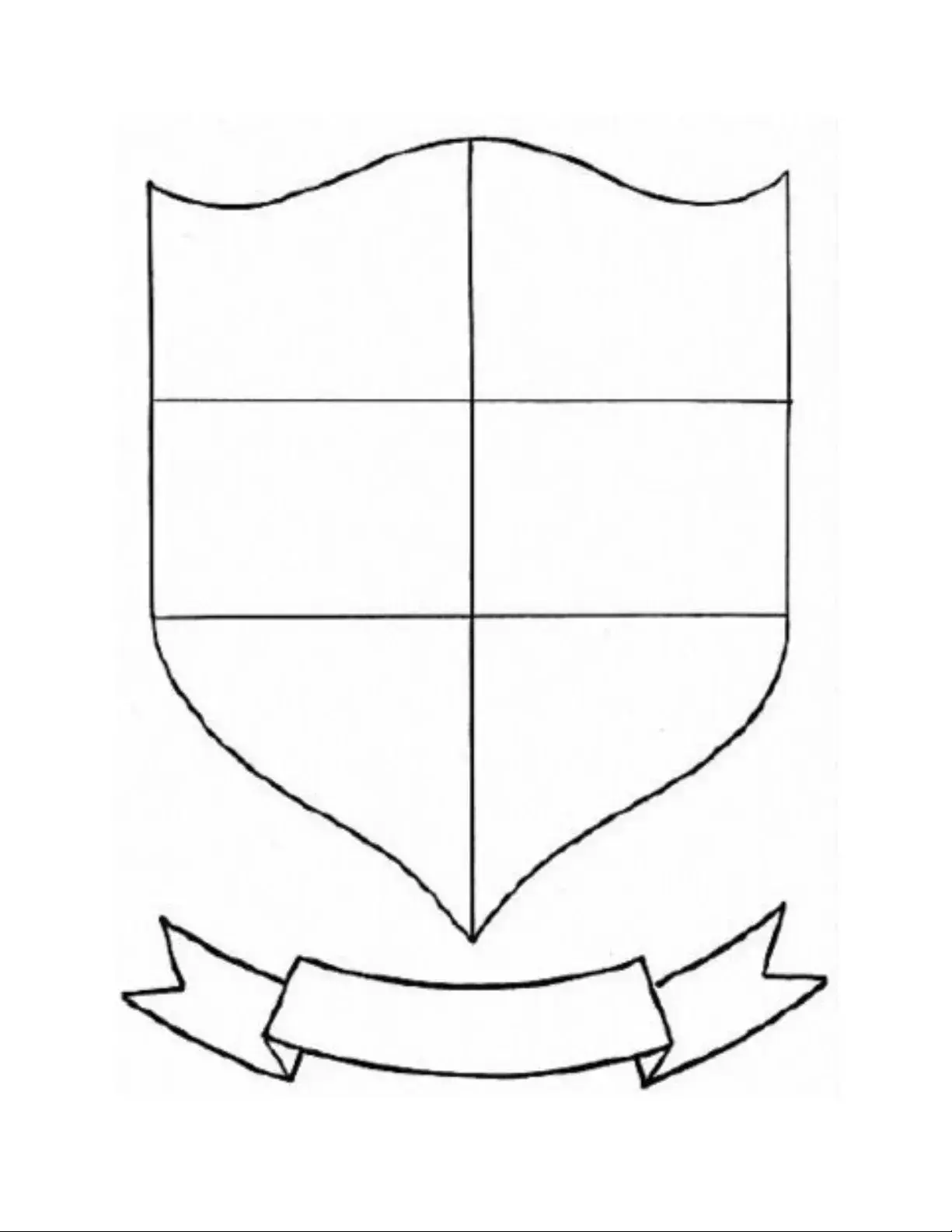
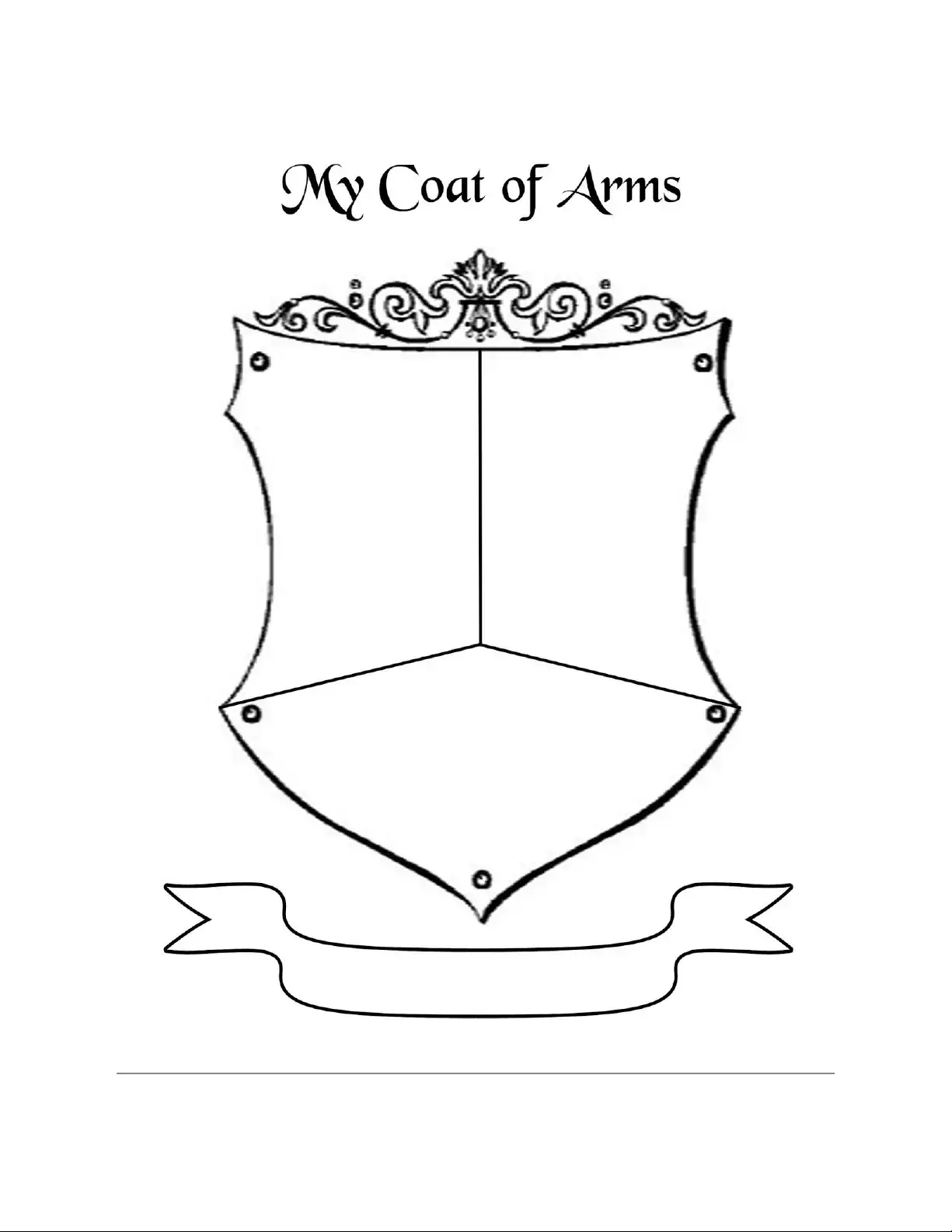
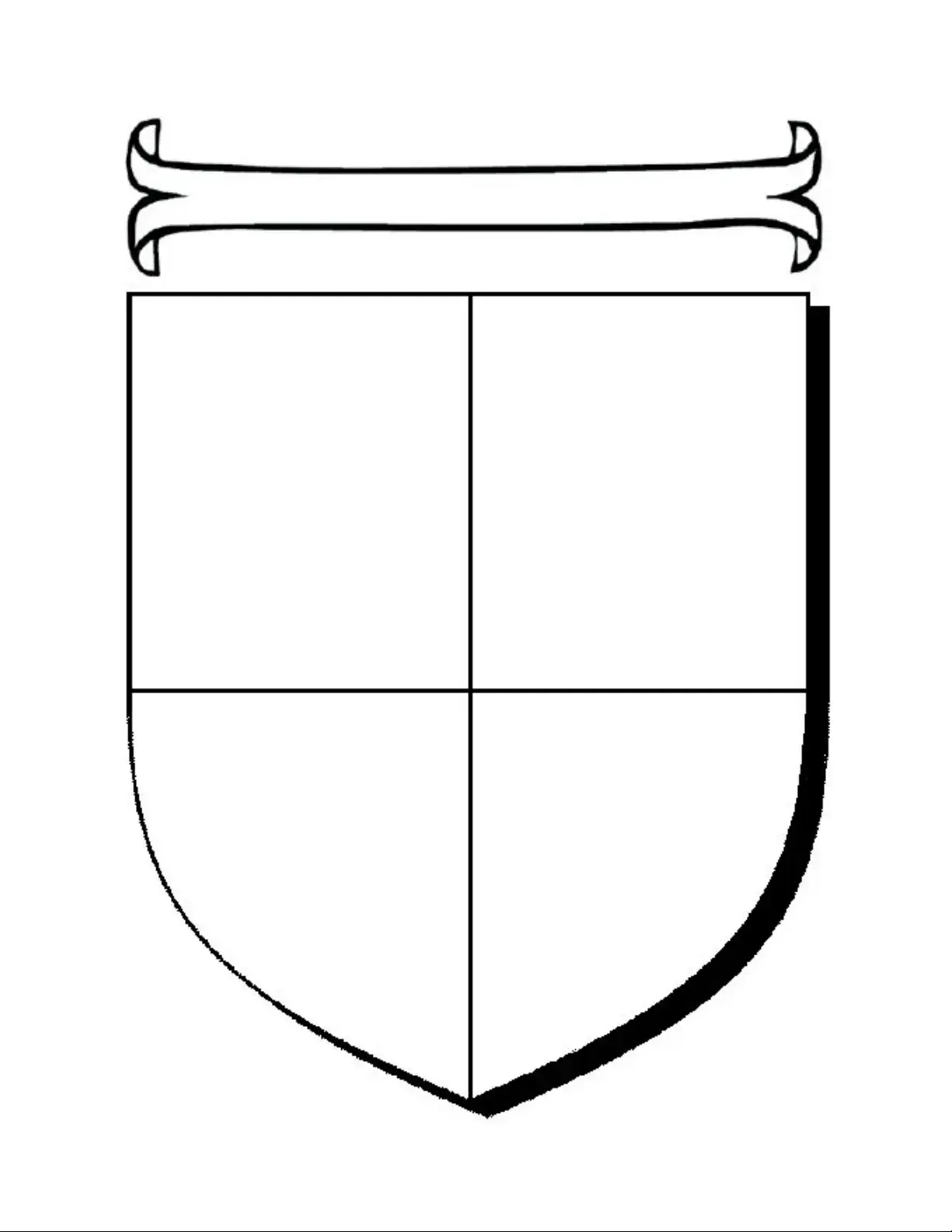
Coat Of Arms Preview

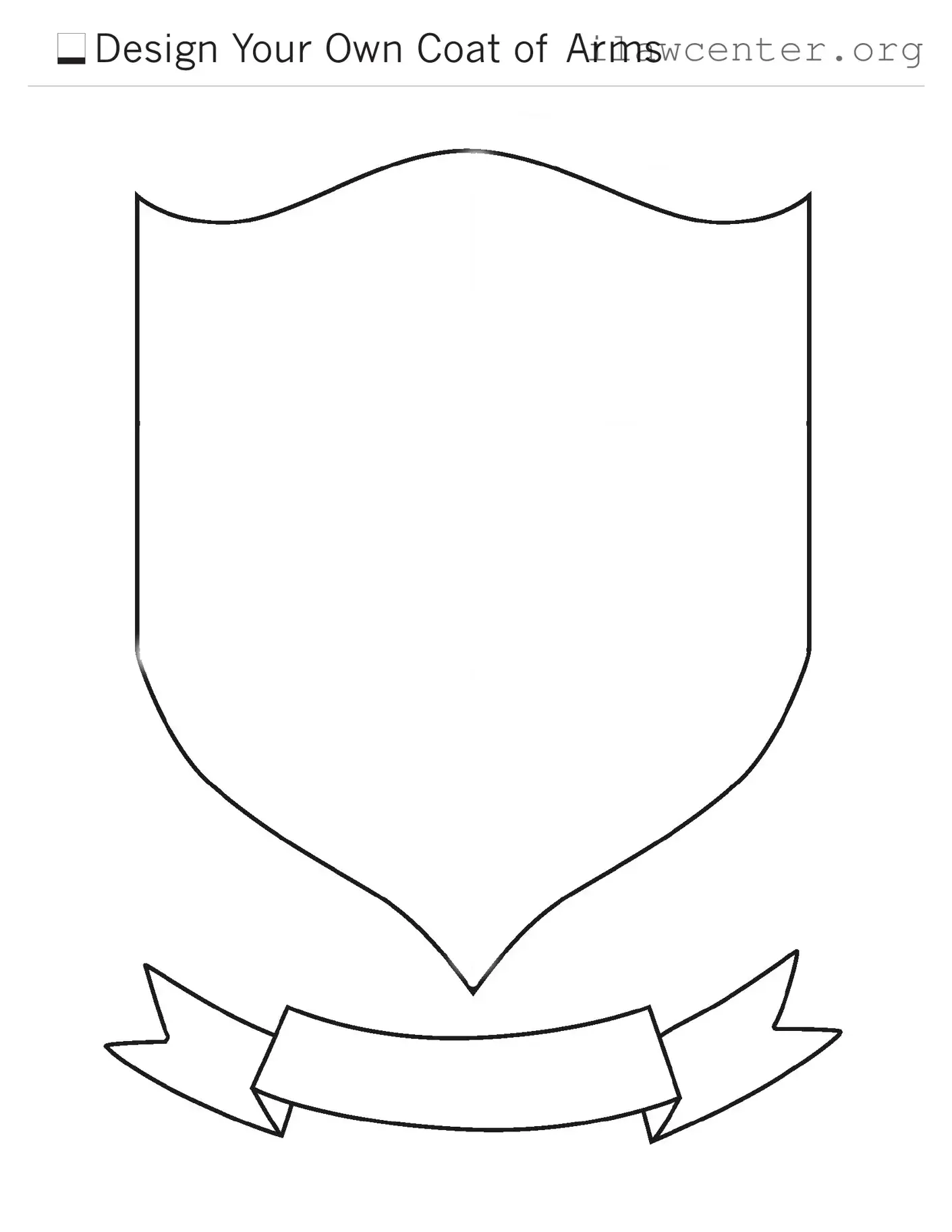
Design Your Own Coat of Arms
Design Your Own Coat of Arms (with quadrants)

File Properties

Fact Name Detail
Definition A Coat of Arms is a unique heraldic design on an escutcheon or shield or on a surcoat or tabard used to cover and protect armour.
Historical Significance Coats of Arms originated in the 12th century to identify knights in battle.
Components A typical Coat of Arms includes a shield, supporters, crest, and motto.
Governing Law In the United States, the use of Coats of Arms is governed by state law and varies by jurisdiction.
State-Specific Example California's Coat of Arms is governed by the California Government Code, Section 400.
Symbolism Each element in a Coat of Arms has specific meanings, often reflecting the values or history of the individual or entity.
Registration While not mandatory, registering a Coat of Arms can provide legal recognition and protection.
Usage Coats of Arms can be used on official documents, buildings, and personal items to signify authority or ownership.
Design Rules There are specific rules governing the design of Coats of Arms, often defined by heraldic authorities.
Modern Use Today, Coats of Arms are used by families, organizations, and governments to represent identity and heritage.

Instructions on Utilizing Coat Of Arms

Completing the Coat of Arms form is an important step in the process of establishing your family's heritage. By following the steps outlined below, you can ensure that you fill out the form accurately and completely.

  1. Begin by gathering all necessary information about your family lineage, including names, dates, and places of birth.
  2. Read through the form carefully to understand each section and what information is required.
  3. Start with your personal information. Fill in your full name, address, and contact details in the designated areas.
  4. Provide details about your family history. Include your parents' names, their birth dates, and any relevant historical information.
  5. Next, describe the elements you wish to include in your Coat of Arms. Think about symbols, colors, and any specific imagery that represents your family.
  6. Double-check the information you have entered to ensure accuracy. Look for any spelling mistakes or missing details.
  7. Once you are satisfied with the completed form, sign and date it as required.
  8. Finally, submit the form according to the provided instructions, whether online or by mail.

By following these steps, you will be well-prepared to submit your Coat of Arms form. Take your time, and ensure that all information is correct before sending it off.

Important Facts about Coat Of Arms

What is the Coat Of Arms form?

The Coat Of Arms form is an official document used to request the creation or registration of a coat of arms. This form typically requires detailed information about the individual or organization seeking the coat of arms, including their background, purpose, and design preferences. It serves as a means to formalize the heraldic process.

Who can apply for a Coat Of Arms?

Generally, individuals, families, or organizations can apply for a coat of arms. Applicants often include those with a historical or noble lineage, as well as groups that wish to establish a unique identity. However, the specific eligibility criteria may vary depending on the governing heraldic authority.

What information do I need to provide on the form?

When filling out the Coat Of Arms form, you will need to provide personal or organizational details, including your name, address, and contact information. Additionally, a description of the desired coat of arms design, including colors, symbols, and any significant meanings behind them, is essential.

Is there a fee associated with submitting the Coat Of Arms form?

Yes, there is typically a fee involved in the application process. The amount may vary based on the heraldic authority you are applying to. It is important to check the specific fees and payment methods outlined by the relevant organization.

How long does it take to process the Coat Of Arms application?

The processing time can vary significantly. Generally, it may take several weeks to a few months, depending on the complexity of the design and the workload of the heraldic authority. It is advisable to submit your application well in advance if you have a specific deadline.

Can I make changes to my Coat Of Arms after it has been approved?

Yes, changes can be made to a coat of arms after approval, but this typically requires a formal request and may involve additional fees. It’s crucial to follow the guidelines set by the heraldic authority to ensure that any modifications are recognized legally.

What happens if my application is denied?

If your application for a coat of arms is denied, you will usually receive a detailed explanation of the reasons for the denial. You may have the option to appeal the decision or modify your application based on the feedback provided. It’s important to address any concerns raised to increase the chances of approval in a subsequent submission.

Where can I find the Coat Of Arms form?

The Coat Of Arms form can typically be found on the official website of the heraldic authority you are applying to. Make sure to download the most current version of the form and review any accompanying instructions to ensure a smooth application process.
Common mistakes

When filling out the Coat of Arms form, many people make common mistakes that can lead to delays or even rejections. Understanding these pitfalls can help ensure a smoother application process. Here are six frequent errors to avoid.

First, many applicants forget to provide complete personal information. The form requires specific details such as your full name, address, and contact information. Omitting any of these can result in confusion or miscommunication. Always double-check that you have filled in every section accurately.

Second, some individuals do not follow the instructions regarding the design elements of the coat of arms. Each form typically includes guidelines about colors, symbols, and patterns. Ignoring these instructions can lead to a design that does not meet the necessary criteria. It's crucial to carefully read and adhere to these guidelines.

Third, people often underestimate the importance of clarity in their descriptions. When describing the elements of the coat of arms, vague language can create misunderstandings. Instead of using broad terms, be specific about what each symbol represents. This clarity helps reviewers understand your vision.

Fourth, many applicants neglect to proofread their forms. Typos and grammatical errors can detract from the professionalism of your application. Taking the time to review your submission can help you present a polished and thoughtful application.

Fifth, some individuals do not include the required documentation. Supporting documents, such as proof of lineage or previous coats of arms, are often necessary. Failing to include these can stall your application. Ensure that you gather all required materials before submission.

Lastly, a common mistake is not keeping a copy of the submitted form. Once you send in your application, having a record can be invaluable for future reference. If any questions arise, you will have the original details at your fingertips.

By avoiding these mistakes, you can improve your chances of a successful application for your coat of arms. Attention to detail and careful preparation are key to navigating this process effectively.

Documents used along the form

The Coat of Arms form is often accompanied by several other documents that provide essential information and support the application process. These documents help establish eligibility and clarify details related to the coat of arms being requested. Below are some common forms and documents that may be used alongside the Coat of Arms form.

  • Application for Registration: This form collects personal information about the applicant, including name, address, and contact details. It serves as the official request for the coat of arms registration.
  • Proof of Ancestry: This document verifies the applicant's lineage and connection to the heraldic tradition. It may include birth certificates, marriage licenses, or family trees.
  • Design Specification Document: This form outlines the specific elements and colors of the coat of arms being proposed. It provides a detailed description to ensure accuracy in the final design.
  • Fees Payment Form: This document is used to submit any required fees associated with the application process. It includes payment details and confirms that the necessary fees have been paid.

These documents work together to create a comprehensive application for the coat of arms. Properly completing and submitting each form can significantly streamline the registration process and enhance the chances of a successful outcome.

Similar forms

The Coat of Arms form is a specific document used to request the creation or registration of a coat of arms. Several other documents serve similar purposes in terms of identity, heritage, or official recognition. Here are eight documents that share similarities with the Coat of Arms form:

  • Family Crest Application: This document requests the creation or registration of a family crest, similar to how the Coat of Arms form functions for coats of arms.
  • Heraldic Registration Form: This form is used to register a heraldic design, which may include coats of arms, ensuring legal recognition.
  • Genealogy Report: A genealogy report traces family history and lineage, often providing context for the coat of arms associated with a family.
  • Trademark Application: This document protects symbols and designs, including coats of arms, under trademark law, similar to how a coat of arms can represent a family or organization.
  • Title Deed: A title deed establishes ownership of property and may include a coat of arms to signify the owner's family heritage.
  • Certificate of Authenticity: This document verifies the legitimacy of a coat of arms, ensuring that it is recognized and respected within heraldic traditions.
  • Membership Application for Heraldic Societies: This form allows individuals to join organizations focused on heraldry, often requiring a coat of arms or family crest.
  • National Register of Arms Application: This application is used to register arms with a national authority, ensuring official recognition similar to the Coat of Arms form.

Dos and Don'ts

When filling out the Coat of Arms form, it is essential to approach the process with care and attention. Here is a list of things to consider:

  • Do read the instructions carefully before starting.
  • Do provide accurate and complete information.
  • Do double-check your spelling and grammar.
  • Do submit the form before the deadline.
  • Don't leave any required fields blank.
  • Don't use unofficial or outdated forms.
  • Don't rush through the process; take your time.
  • Don't forget to keep a copy of your submission for your records.

By following these guidelines, you can ensure a smoother experience when completing your Coat of Arms form. Taking the time to do it right can make all the difference.

Misconceptions

Many individuals have misunderstandings about the Coat of Arms form. Here are five common misconceptions:

  • It is only for individuals of noble descent. Many believe that only those with noble lineage can apply for a coat of arms. In reality, anyone can apply for a coat of arms, regardless of their background.
  • Coat of arms are automatically inherited. Some think that a coat of arms is automatically passed down from one generation to the next. However, a coat of arms must be officially granted to each individual or family, and inheritance is not guaranteed.
  • The design must follow strict rules. There is a perception that coat of arms designs must adhere to rigid guidelines. While there are traditional elements, individuals have significant creative freedom in designing their coat of arms.
  • Coat of arms can be used for commercial purposes. Many assume that they can freely use their coat of arms for business branding. However, using a coat of arms for commercial purposes may require additional permissions or registrations.
  • Applying for a coat of arms is a lengthy process. Some people worry that the application process is overly complicated and time-consuming. In fact, while it requires attention to detail, the process can be straightforward if the necessary information is provided.

Understanding these misconceptions can help individuals navigate the process of applying for a coat of arms more effectively.

Key takeaways

Filling out and using the Coat of Arms form can be an important step for individuals looking to express their heritage or create a unique family symbol. Here are some key takeaways to consider:

  • Understand the Purpose: The Coat of Arms form is designed to help individuals or families create a heraldic symbol that represents their identity, values, and history.
  • Gather Necessary Information: Before starting, collect all relevant details, such as family history, colors, and symbols that hold significance.
  • Follow Instructions Carefully: Each section of the form has specific requirements. Ensure you read and follow the instructions to avoid any mistakes.
  • Consult with Experts: If you're unsure about certain aspects, consider reaching out to a heraldic expert or organization for guidance.
  • Review Before Submission: Double-check all entries for accuracy and completeness. A thorough review can prevent delays in processing.

By keeping these points in mind, you can navigate the process of filling out the Coat of Arms form more effectively and create a meaningful representation of your family's legacy.