Hvac Inspection Checklist PDF Template

Hvac Inspection Checklist PDF Template

The HVAC Inspection Checklist form is a comprehensive tool designed to assess the condition and performance of heating, ventilation, and air conditioning systems. It helps ensure that these systems operate efficiently and maintain good indoor air quality. To get started on your inspection, fill out the form by clicking the button below.

Article Guide

When it comes to maintaining a comfortable and healthy indoor environment, the HVAC Inspection Checklist form serves as a vital tool. This comprehensive document guides users through various components of the HVAC system, ensuring all aspects are thoroughly evaluated. It begins with a section dedicated to the mechanical room, prompting the inspector to check for cleanliness and any potential hazards. The checklist then moves on to major mechanical equipment, emphasizing the importance of preventive maintenance plans and the condition of boilers, chillers, and cooling towers. Each area is carefully assessed, from the operation of control systems to the presence of refrigerant leaks. Additionally, the form highlights the significance of air handling units, including outdoor air intake and fan conditions. Inspectors are encouraged to note any issues with the distribution system and filters, ensuring that air quality remains optimal. Lastly, the checklist addresses occupied spaces, focusing on thermostat functionality and potential sources of indoor contaminants. By following this structured approach, building managers can identify problems early and take action to enhance both comfort and safety.

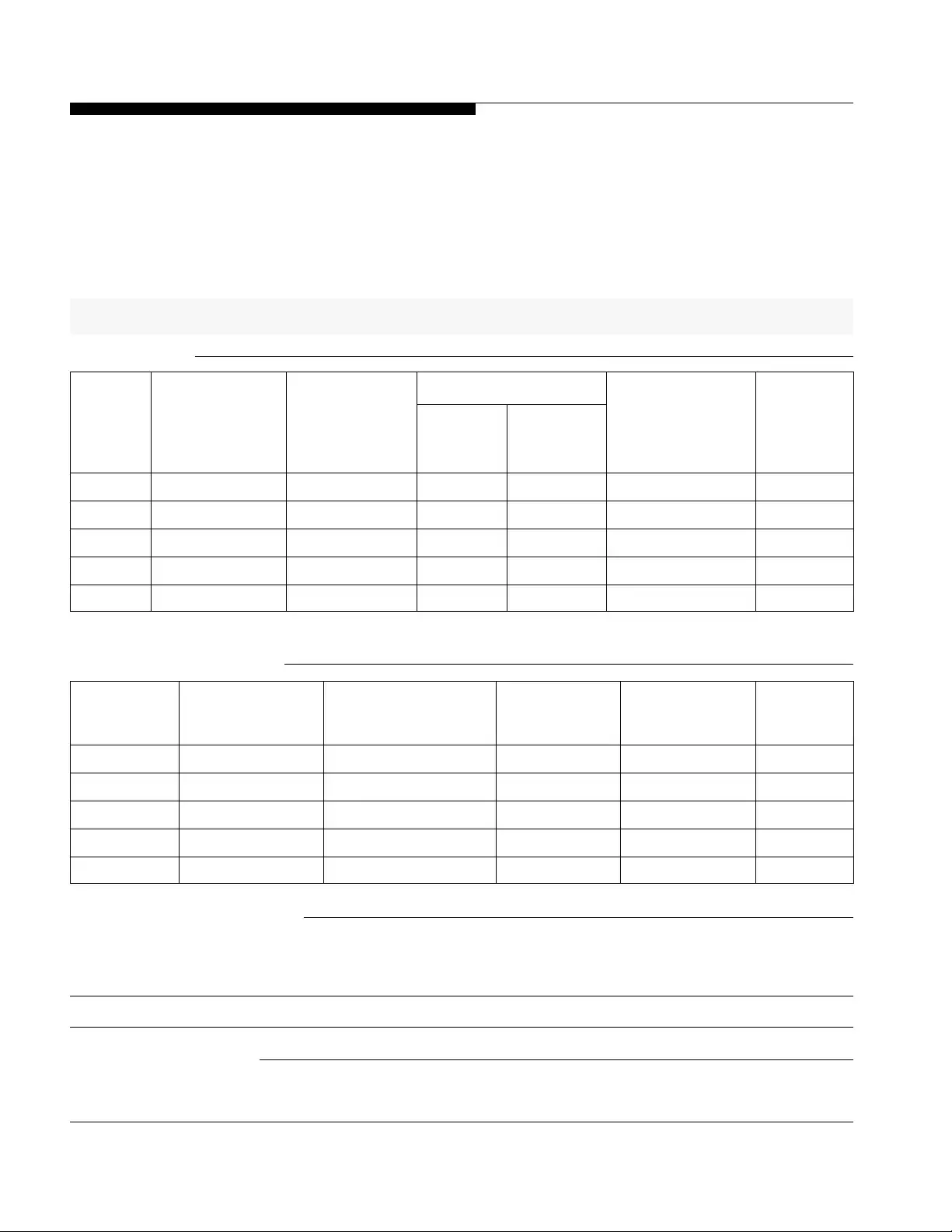
Hvac Inspection Checklist Preview

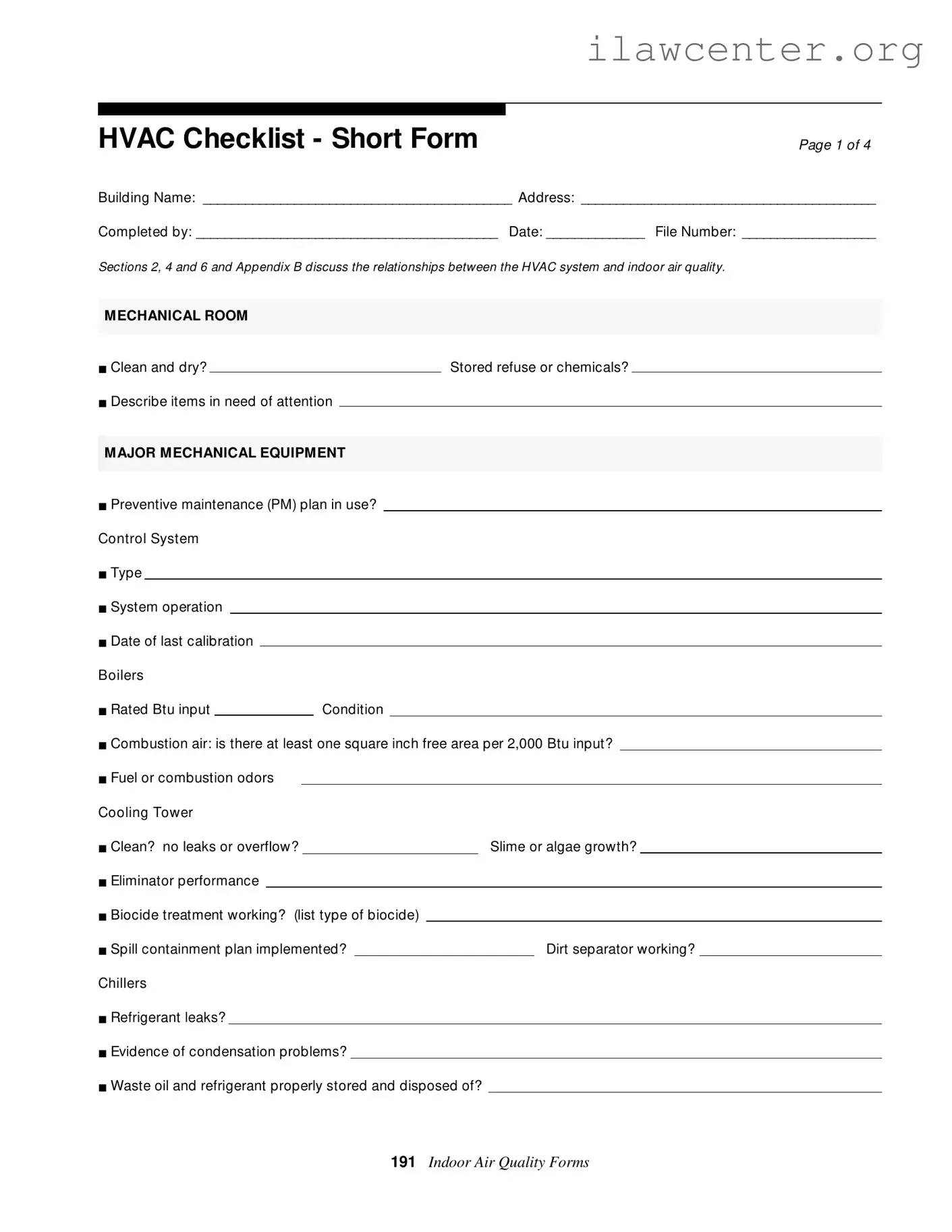
Building Name: ____________________________________________ Address: __________________________________________
Completed by: ___________________________________________ Date: ______________ File Number: ___________________
HVAC Checklist - Short Form
191 Indoor Air Quality Forms
Sections 2, 4 and 6 and Appendix B discuss the relationships between the HVAC system and indoor air quality.
Page 1 of 4
MECHANICAL ROOM
Clean and dry? Stored refuse or chemicals?
Describe items in need of attention
MAJOR M ECHANICAL EQUIPMENT
Preventive maintenance (PM) plan in use?
Control System
Type
System operation
Date of last calibration
Boilers
Rated Btu input Condition
Combustion air: is there at least one square inch free area per 2,000 Btu input?
Fuel or combustion odors
Cooling Tower
Clean? no leaks or overflow? Slime or algae growth?
Eliminator performance
Biocide treatment working? (list type of biocide)
Spill containment plan implemented? Dirt separator working?
Chillers
Refrigerant leaks?
Evidence of condensation problems?
Waste oil and refrigerant properly stored and disposed of?
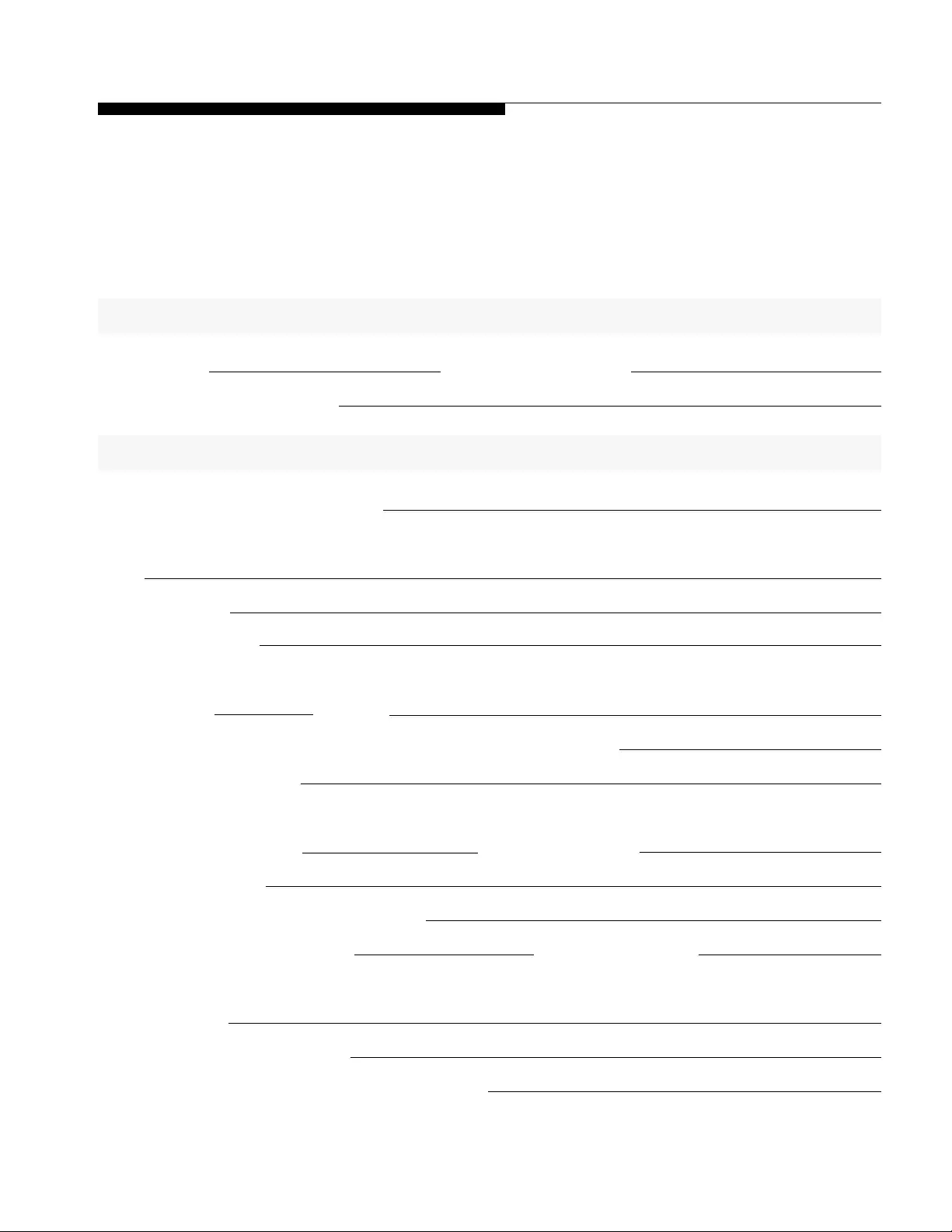
Building Name: ____________________________________________ Address: __________________________________________
Completed by: ___________________________________________ Date: ______________ File Number: ___________________
HVAC Checklist - Short Form
Indoor Air Quality Forms 192
Page 2 of 4
AIR HANDLING UNIT
Unit identification Area served
Outdoor Air Intake, Mixing Plenum, and Damper
Outdoor air intake location
Nearby contaminant sources? (describe)
Bird screen in place and unobstructed?
Design total cfm outdoor air (O.A.) cfm date last tested and balanced
Minimum % O.A. (damper setting) Minimum cfm O.A. =
Current O.A. damper setting (date, time, and HVAC operating mode)
Damper control sequence (describe)
Condition of dampers and controls (note date)
Fans
Control sequence
Condition (note date)
Indicated temperatures supply air mixed air return air outdoor air
Actual temperatures supply air mixed air return air outdoor air
Coils
Heating fluid discharge temperature T cooling fluid discharge temperature T
Controls (describe)
Condition (note date)
Humidifier
Type if biocide is used, note type
Condition (no overflow, drains trapped, all nozzles working?)
No slime, visible growth, or mineral deposits?
(total cfm x minimum % O.A.)
100
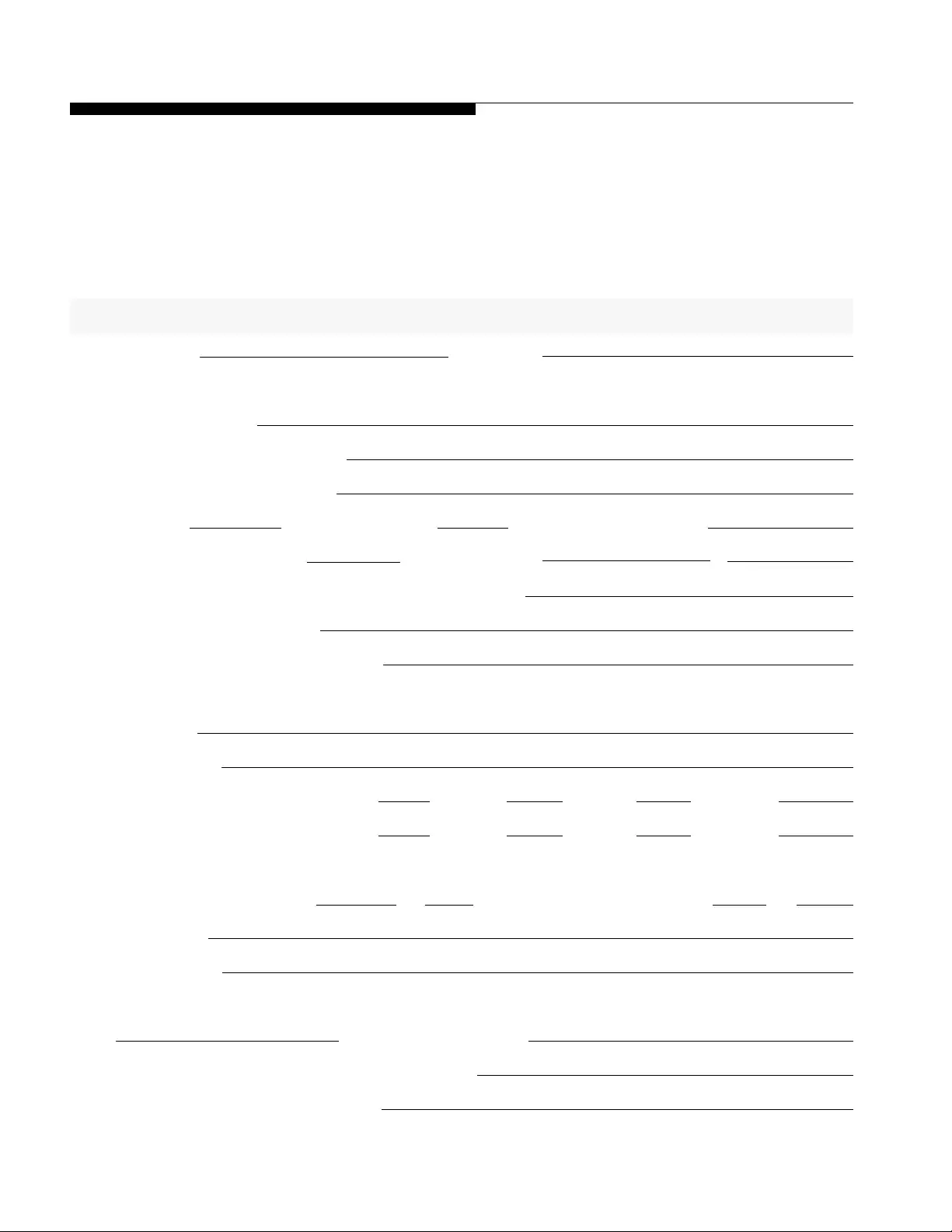
Building Name: ____________________________________________ Address: __________________________________________
Completed by: ___________________________________________ Date: ______________ File Number: ___________________
HVAC Checklist - Short Form
193 Indoor Air Quality Forms
DISTRIBUTION SYSTEM
Supply Air Return Air Power Exhaust
Zone/ System ducted/ cfm* ducted/ cfm* cfm* control serves
Room Type unducted unducted (e.g. toilet)
Condition of distribution system and terminal equipment (note locations of problems)
Adequate access for maintenance?
Ducts and coils clean and obstructed?
Air paths unobstructed? supply return transfer exhaust make-up
Note locations of blocked air paths, diffusers, or grilles
Any unintentional openings into plenums?
Controls operating properly?
Air volume correct?
Drain pans clean? Any visible growth or odors?
Filters
Location Type/Rating Size Date Last Changed Condition (give date)
Page 3 of 4
Building Name: ____________________________________________ Address: __________________________________________
Completed by: ___________________________________________ Date: ______________ File Number: ___________________
HVAC Checklist - Short Form
Indoor Air Quality Forms 194
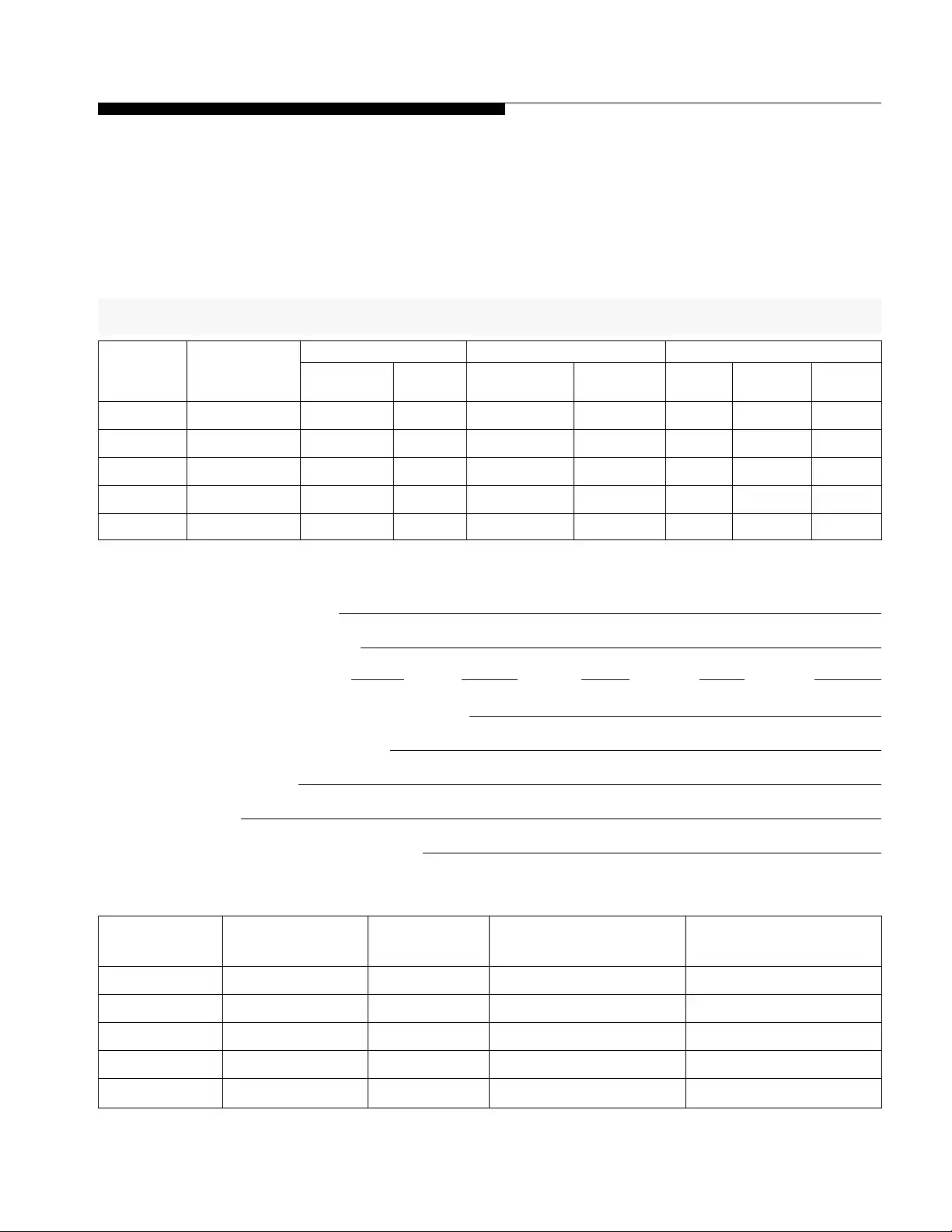
OCCUPIED SPACE
Thermostat types
Zone/ Thermostat What Does Setpoints Measured Day/
Room Location Thermostat Temperature Time
Control? Summer Winter
(e.g., radiator,
AHU-3)
Humidistats/Dehumidistats type
Zone/ Humidistat/ What Does It Setpoints Measured Day/
Room Dehumidistat Control? (% RH) Temperature Time
Location
Potential problems (note location)
Thermal comfort or air circulation (drafts, obstructed airflow, stagnant air, overcrowding, poor
thermostat location)
Malfunctioning equipment
Major sources of odors or contaminants (e.g., poor sanitation, incompatible uses of space)
Page 4 of 4

File Properties

Fact Name Description
Purpose The HVAC Inspection Checklist is designed to assess the condition and performance of HVAC systems, ensuring indoor air quality and system efficiency.
Sections The checklist includes multiple sections covering mechanical rooms, major equipment, air handling units, distribution systems, and filters.
Indoor Air Quality Sections 2, 4, and 6 specifically address the relationship between HVAC systems and indoor air quality, highlighting the importance of proper maintenance.
Major Equipment Key components like boilers, chillers, and cooling towers are evaluated for maintenance needs and operational efficiency.
Control Systems The checklist assesses control system types, their operation, and the date of last calibration to ensure proper functionality.
Filter Maintenance Regular filter checks are included to ensure optimal air quality and system performance, with attention to the last change date and condition.
Occupied Space Assessment Thermostat and humidistat locations, setpoints, and measured temperatures are recorded to evaluate comfort levels and equipment performance.
Potential Issues The checklist encourages noting any potential problems such as drafts, stagnant air, or sources of odors, promoting a proactive approach to maintenance.
State-Specific Regulations In some states, HVAC inspections must comply with specific laws, such as the International Mechanical Code or local building codes.

Instructions on Utilizing Hvac Inspection Checklist

Completing the HVAC Inspection Checklist form is an essential task that helps ensure the proper functioning and safety of heating, ventilation, and air conditioning systems. The following steps outline how to fill out the form accurately and efficiently.

  1. Gather necessary information: Before starting, collect details about the building, including its name and address, as well as the name of the person completing the form and the date of inspection.
  2. Fill in the basic information: In the designated spaces at the top of the form, write the building name, address, the name of the inspector, the date of inspection, and the file number.
  3. Inspect the mechanical room: Check if the room is clean and dry. Look for any stored refuse or chemicals and describe any items that need attention.
  4. Evaluate major mechanical equipment: Confirm if a preventive maintenance plan is in place. Record the type of control system and its operation, including the date of the last calibration.
  5. Assess the boilers: Note the rated Btu input and check the condition. Ensure there is sufficient combustion air and look for any fuel or combustion odors.
  6. Check the cooling tower: Inspect for cleanliness, leaks, or overflow, and look for slime or algae growth. Confirm that the biocide treatment is working and note the type of biocide used.
  7. Examine chillers: Look for any refrigerant leaks, evidence of condensation problems, and ensure that waste oil and refrigerants are properly stored and disposed of.
  8. Review the air handling unit: Identify the unit and the area it serves. Check the outdoor air intake location and nearby contaminant sources. Ensure the bird screen is in place and unobstructed.
  9. Document outdoor air settings: Record the design total cfm, minimum % O.A., current O.A. damper setting, and the damper control sequence.
  10. Inspect fans and coils: Note the control sequence and condition of fans, and record the indicated and actual temperatures for supply, mixed, return, and outdoor air. Check coil discharge temperatures and controls.
  11. Examine humidifiers: Identify the type and check for any biocide usage. Ensure there are no overflows or visible growth and that all nozzles are functioning.
  12. Assess the distribution system: Document the condition of the supply and return air ducts, ensuring they are clean and unobstructed. Note any locations of blocked air paths.
  13. Review filters: Specify the location, type, size, and date of the last change for each filter, along with its condition.
  14. Evaluate occupied spaces: Record details about thermostats and humidistats, including their types, locations, what they control, setpoints, and measured temperatures. Note any potential problems related to thermal comfort or air quality.

Important Facts about Hvac Inspection Checklist

What is the purpose of the HVAC Inspection Checklist?

The HVAC Inspection Checklist is designed to help assess the condition and performance of HVAC systems in buildings. It ensures that all components are functioning properly and that indoor air quality is maintained. This checklist serves as a guide for identifying areas that may require maintenance or improvement.

Who should complete the HVAC Inspection Checklist?

The checklist should be completed by a qualified HVAC technician or maintenance personnel who has experience with HVAC systems. Their expertise ensures that the inspection is thorough and accurate, allowing for proper identification of any issues.

What are the key sections of the HVAC Inspection Checklist?

The checklist includes several key sections, such as the mechanical room, major mechanical equipment, air handling units, distribution systems, filters, and occupied spaces. Each section focuses on different components and aspects of the HVAC system to ensure a comprehensive inspection.

How often should the HVAC Inspection Checklist be completed?

The checklist should be completed regularly, typically during routine maintenance checks. It is advisable to conduct inspections at least twice a year, ideally before the heating and cooling seasons, to ensure optimal performance and address any potential issues early.

What should be done if issues are found during the inspection?

If any issues are identified during the inspection, they should be documented in detail. The responsible maintenance team should prioritize these issues based on severity and address them promptly. This may involve repairs, replacements, or adjustments to improve system performance.

How does the checklist address indoor air quality?

The checklist includes specific sections that focus on indoor air quality, such as assessing the condition of air handling units, filters, and distribution systems. It also prompts the inspector to note any sources of odors or contaminants, helping to maintain a healthy indoor environment.

What information is needed to complete the checklist?

To complete the checklist, the inspector will need basic information about the building, such as its name, address, and file number. They will also need to document specific details about the HVAC system, including equipment types, operational settings, and any observed conditions.

Can the HVAC Inspection Checklist be customized for specific buildings?

Yes, the checklist can be customized to meet the specific needs of different buildings. While the standard checklist covers essential components, additional items can be added based on unique system configurations or specific concerns related to the building's use.

What is the significance of the preventive maintenance plan mentioned in the checklist?

A preventive maintenance plan is crucial for ensuring the longevity and efficiency of HVAC systems. It outlines scheduled maintenance tasks and helps prevent unexpected breakdowns. The checklist prompts inspectors to verify whether such a plan is in place and being followed.

What should be done with the completed checklist?

Once the checklist is completed, it should be reviewed by management or the responsible maintenance team. The findings should be used to inform maintenance decisions and track the performance of the HVAC system over time. Keeping a record of completed checklists can help identify trends and areas for improvement.

Common mistakes

Filling out the HVAC Inspection Checklist form accurately is essential for maintaining a safe and efficient heating, ventilation, and air conditioning system. However, many individuals make common mistakes that can lead to incomplete or inaccurate assessments. Understanding these mistakes can help ensure that the checklist is filled out correctly.

One frequent error is neglecting to complete basic information at the top of the form. Missing details such as the building name, address, or the name of the person completing the form can create confusion later on. This information is crucial for identifying the specific location and context of the inspection.

Another mistake involves overlooking specific sections of the checklist. Each part of the form is designed to address different aspects of the HVAC system. Failing to answer questions in sections related to mechanical equipment or air handling units can result in critical issues being missed during the inspection.

People often make the mistake of providing vague descriptions when detailing items in need of attention. Instead of general comments like "needs repair," it is more helpful to specify the exact issue, such as "the air filter is dirty and needs replacement." This specificity can lead to more effective maintenance actions.

Additionally, not documenting dates and times of inspections can be problematic. Each component of the HVAC system should have a clear record of when it was last serviced or tested. This information is vital for tracking maintenance schedules and ensuring compliance with safety standards.

Some individuals fail to indicate the condition of equipment accurately. It's important to note whether equipment is in good, fair, or poor condition. This assessment helps prioritize repairs and maintenance needs effectively.

Another common oversight is ignoring the importance of outdoor air intake assessments. The checklist includes specific questions about nearby contaminant sources and the condition of the outdoor air intake. Not addressing these factors can lead to indoor air quality issues that affect occupant health.

Moreover, inadequate attention to filters is a frequent mistake. The checklist prompts users to note the type, size, and condition of filters. Failing to provide this information can lead to reduced air quality and system efficiency.

People also often skip over the distribution system evaluations. This section is critical for understanding how air moves throughout the building. Ignoring it can result in unnoticed blockages or inefficiencies that compromise comfort and air quality.

Another issue arises when individuals do not adequately describe potential problems in occupied spaces. The checklist asks for details about thermal comfort, air circulation, and sources of odors. Providing insufficient information can hinder effective troubleshooting and resolution of these issues.

Finally, forgetting to review the entire checklist before submission is a mistake that can lead to missed items. A thorough review ensures that all sections are completed and that no critical information is overlooked, thereby enhancing the overall effectiveness of the HVAC inspection.

Documents used along the form

When conducting an HVAC inspection, several additional forms and documents are often utilized alongside the HVAC Inspection Checklist. These documents help provide a comprehensive view of the HVAC system's condition and ensure compliance with safety and efficiency standards. Below is a list of commonly used forms that support the inspection process.

  • Maintenance Log: This document tracks all maintenance activities performed on the HVAC system, including dates, types of service, and any issues identified during previous inspections.
  • Service Report: A detailed account of any repairs or services completed by technicians, including parts replaced and the overall condition of the HVAC system after service.
  • Energy Efficiency Audit: This report assesses the energy consumption of the HVAC system, identifying opportunities for improvements that can reduce energy costs and enhance performance.
  • Indoor Air Quality Assessment: A document that evaluates the quality of air within the building, measuring pollutants and ensuring compliance with health standards.
  • Compliance Certificate: A form that verifies that the HVAC system meets all local, state, and federal regulations, including safety and environmental standards.
  • Manufacturer's Specifications: This document provides technical details about the HVAC equipment, including installation guidelines, performance ratings, and warranty information.
  • Emergency Procedures Plan: A plan outlining steps to take in case of HVAC system failure or emergency situations, ensuring the safety of occupants.
  • Filter Change Schedule: A timeline indicating when air filters should be replaced, helping maintain air quality and system efficiency.
  • System Performance Report: This report summarizes the operational efficiency of the HVAC system, including any deviations from expected performance metrics.

Utilizing these documents in conjunction with the HVAC Inspection Checklist enhances the overall assessment of the HVAC system. Together, they ensure that all aspects of the system are thoroughly evaluated, promoting a safe and comfortable indoor environment.

Similar forms

The HVAC Inspection Checklist form serves as a crucial tool in ensuring the efficiency and safety of heating, ventilation, and air conditioning systems. Several other documents share similarities with this checklist, each focusing on specific aspects of building maintenance and safety. Here are four such documents:

  • Building Maintenance Checklist: Like the HVAC Inspection Checklist, this document outlines essential tasks and inspections needed to maintain a building's overall condition. It includes areas such as plumbing, electrical systems, and general upkeep, ensuring that all parts of the building work harmoniously together.
  • Indoor Air Quality Assessment Form: This form focuses specifically on the quality of air within a building. Similar to the HVAC checklist, it addresses concerns about contaminants, humidity levels, and ventilation effectiveness, helping to create a healthy indoor environment.
  • Fire Safety Inspection Checklist: This document is essential for evaluating fire safety measures within a building. Much like the HVAC checklist, it requires a thorough examination of systems and equipment, ensuring that all safety protocols are followed to protect occupants from fire hazards.
  • Energy Efficiency Audit: This audit evaluates a building's energy use and identifies areas for improvement. Similar to the HVAC checklist, it assesses systems for efficiency, helping to reduce energy consumption and costs while promoting sustainability.

Each of these documents plays a vital role in maintaining a safe, efficient, and healthy environment, just like the HVAC Inspection Checklist. By regularly using these tools, building managers can ensure that their facilities operate smoothly and effectively.

Dos and Don'ts

When filling out the HVAC Inspection Checklist form, it's important to approach the task thoughtfully. Here are seven guidelines to help ensure that the process is smooth and effective.

  • Do read each section carefully before starting to fill out the form.
  • Do provide clear and specific descriptions of any issues or observations.
  • Do keep track of dates, especially for maintenance and calibration records.
  • Do ensure that all required fields are completed to avoid delays.
  • Don't skip any sections, even if they seem less relevant.
  • Don't use vague language; be as precise as possible in your notes.
  • Don't forget to check for nearby contaminant sources when assessing outdoor air intake.

Following these guidelines can lead to a more thorough and accurate inspection process, ultimately contributing to better indoor air quality and system performance.

Misconceptions

Understanding the HVAC Inspection Checklist form is crucial for ensuring the efficiency and safety of heating, ventilation, and air conditioning systems. However, several misconceptions can lead to misunderstandings about its purpose and use. Here are four common misconceptions:

  • It’s Just a Simple Checklist. Many believe the HVAC Inspection Checklist is merely a simple list of items to tick off. In reality, it serves as a comprehensive tool that addresses various aspects of HVAC systems, including maintenance, air quality, and equipment condition. Each section is designed to gather detailed information that can help identify potential issues.
  • Only Professionals Can Use It. While HVAC professionals are well-equipped to fill out the checklist, building managers or maintenance staff can also utilize it effectively. With proper training and understanding of the HVAC system, anyone responsible for facility management can benefit from this checklist.
  • It’s Only Necessary When Problems Arise. Some people think the checklist is only relevant during equipment failures or complaints. However, regular inspections using this checklist can prevent issues before they escalate. Proactive maintenance ensures optimal performance and extends the lifespan of the HVAC system.
  • It Covers All Aspects of HVAC Systems. While the checklist is thorough, it does not encompass every possible issue related to HVAC systems. It focuses on key areas like air quality, equipment condition, and maintenance practices. For a complete assessment, additional specialized evaluations may be necessary.

By addressing these misconceptions, individuals can better appreciate the importance of the HVAC Inspection Checklist and its role in maintaining a safe and efficient environment.

Key takeaways

Filling out the HVAC Inspection Checklist form is essential for ensuring the proper functioning of HVAC systems. Here are key takeaways to keep in mind:

  • Complete All Sections: Ensure that all relevant sections of the checklist are filled out thoroughly, including building name, address, and the date of inspection.
  • Document Conditions: Clearly describe any items in need of attention within the mechanical room and other areas of the HVAC system.
  • Regular Maintenance: Confirm that a preventive maintenance plan is in place and up to date for major mechanical equipment.
  • Air Quality Considerations: Pay special attention to how the HVAC system relates to indoor air quality, as outlined in the checklist.
  • Inspect All Components: Check each component, including air handling units, fans, coils, and humidifiers, for proper operation and condition.
  • Filter Maintenance: Record the type, size, and condition of filters, including the date they were last changed.
  • Evaluate Distribution Systems: Assess the condition of the distribution system, ensuring that air paths are unobstructed and ducts are clean.
  • Identify Potential Issues: Note any potential problems related to thermal comfort, air circulation, or sources of odors and contaminants.

Using this checklist effectively will contribute to maintaining a safe and efficient HVAC system.