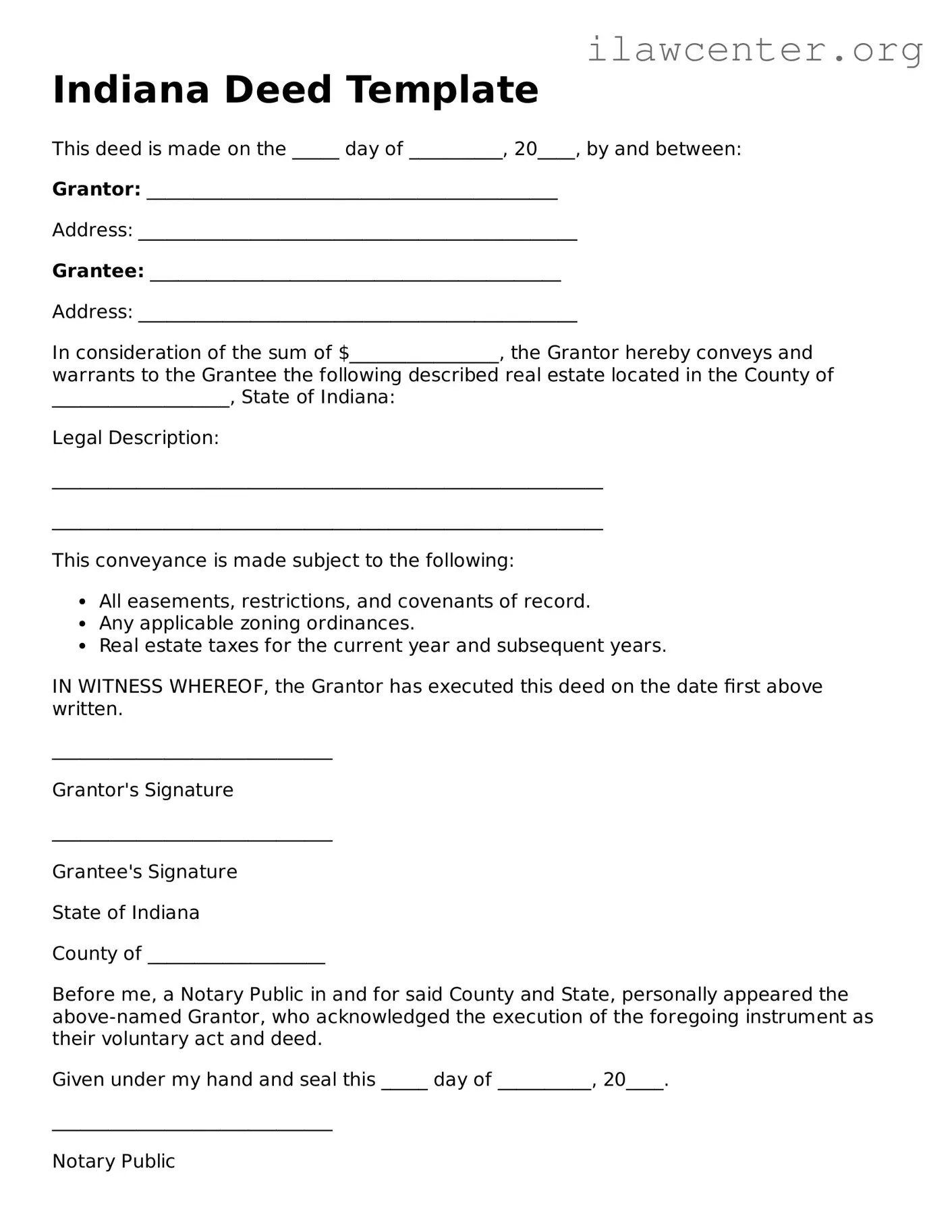
Filling out a deed form can seem straightforward, but many people make common mistakes that can lead to complications down the line. One frequent error is failing to include the correct legal description of the property. This description must be precise, detailing boundaries and features. Without it, the deed may not hold up in court or during a sale.
Another mistake is neglecting to include all necessary parties. Both the grantor (the person transferring the property) and the grantee (the person receiving the property) must be clearly identified. Omitting one of these parties can render the deed ineffective, leading to confusion and potential disputes.
People often forget to sign the deed. While it may seem obvious, an unsigned deed is not valid. Additionally, the signatures must be notarized. Notarization provides an extra layer of verification, ensuring that the identities of the parties involved are confirmed.
Many individuals also overlook the importance of checking the deed for accuracy before submission. Typos or incorrect information can cause significant issues. Double-checking details like names, addresses, and dates can save time and trouble later.
Another common pitfall is not understanding the difference between a quitclaim deed and a warranty deed. Each serves a different purpose and offers varying levels of protection. Using the wrong type of deed can lead to unexpected liabilities or loss of rights.
People sometimes forget to consider the tax implications of transferring property. Certain transfers may trigger tax liabilities that the parties need to be aware of. Consulting with a tax professional can clarify these potential issues.
In some cases, individuals fail to record the deed with the appropriate county office. Recording the deed is crucial because it provides public notice of the property transfer. Without recording, the transaction may not be recognized legally, which can lead to complications if the property is sold again.
Another mistake involves using outdated forms. Laws and regulations can change, so it’s essential to use the most current version of the deed form. Using outdated forms can lead to noncompliance and potential legal issues.
People may also neglect to provide sufficient consideration. In real estate transactions, consideration refers to the value exchanged for the property. Failing to state this can lead to questions about the legitimacy of the transaction.
Lastly, individuals often rush through the process without fully understanding the implications of the deed. Taking the time to read and comprehend each section can prevent misunderstandings and ensure a smoother transaction. Being thorough and careful can save a lot of headaches in the future.