
Loan Estimate PDF Template

Loan Estimate PDF Template

The Loan Estimate form is a crucial document provided by lenders that outlines the key details of a mortgage loan. It helps borrowers understand the terms, costs, and potential changes associated with their loan before closing. By carefully reviewing this estimate, applicants can make informed decisions about their financing options. To begin the process, fill out the form by clicking the button below.

Article Guide

When considering a mortgage, understanding the Loan Estimate form is crucial for making informed financial decisions. This document provides a clear overview of the loan terms, including the loan amount, interest rate, and monthly payments. It outlines essential details such as the estimated closing costs, which include both loan costs and other expenses associated with the mortgage process. The Loan Estimate also highlights important features of the loan, such as whether there are any prepayment penalties or balloon payments. Additionally, it offers a comparison section to evaluate this loan against others, detailing what you will pay over time in principal, interest, and mortgage insurance. By reviewing this form, applicants can get a snapshot of their potential financial commitment, making it easier to compare different loan options and choose the one that best fits their needs.

Loan Estimate Preview

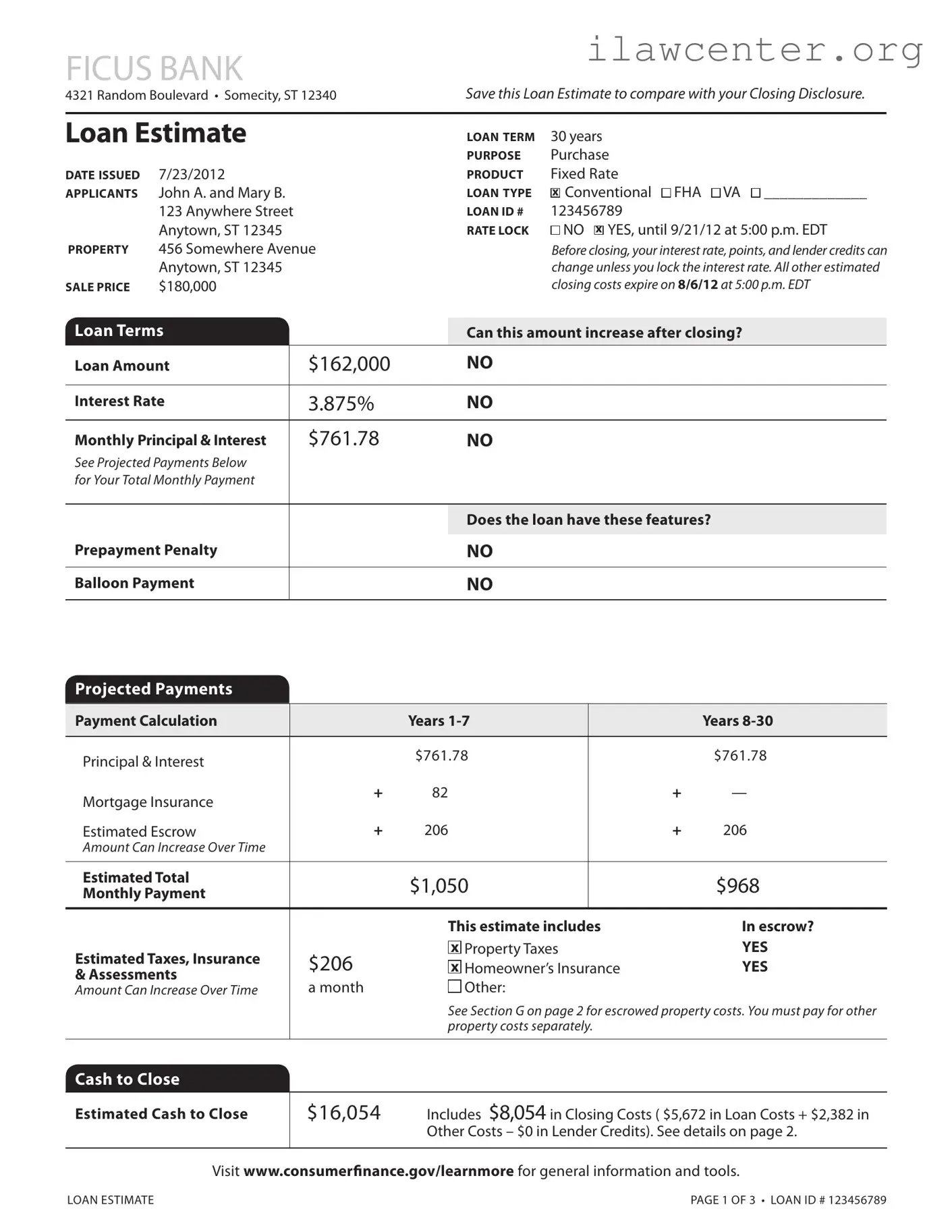
Loan Terms
Can this amount increase after closing?
Loan Amount $162,000
NO
Interest Rate
3.875%
NO
Monthly Principal & Interest
See Projected Payments Below
for Your Total Monthly Payment
$761.78
NO
Does the loan have these features?
Prepayment Penalty
NO
Balloon Payment
NO
DATE ISSUED 7/23/2012
APPLICANTS John A. and Mary B.
123 Anywhere Street
Anytown, ST 12345
PROPERTY 456 Somewhere Avenue
Anytown, ST 12345
SALE PRICE $180,000
LOAN TERM 30 years
PURPOSE Purchase ce
PRODUCT Fixed Rate
LOAN TYPE
x
Conventional FHA VA _____________
LOAN ID # 1234567891330172608
RATE LOCK NO
x
YES, until 9/21/12 at 5:00 p.m. EDT
FICUS BANK

Cash to Close
Estimated Cash to Close
$16,054 Includes $8,054 in Closing Costs ( $5,672 in Loan Costs + $2,382 in
Other Costs – $0 in Lender Credits). See details on page 2.
Loan Estimate
Projected Payments
Payment Calculation Years 1-7 Years 8-30
Principal & Interest
Mortgage Insurance
Estimated Escrow
Amount Can Increase Over Time
$761.78
+ 82
+ 206
$761.78
+
+ 206
Estimated Total
Monthly Payment
$1,050 $968
Estimated Taxes, Insurance
& Assessments
Amount Can Increase Over Time
$206
a month
Before closing, your interest rate, points, and lender credits can
change unless you lock the interest rate. All other estimated
closing costs expire on 8/6/12 at 5:00 p.m. EDT
Save this Loan Estimate to compare with your Closing Disclosure.
LOAN ESTIMATE
Visit www.consumernance.gov/learnmore for general information and tools.
See Section G on page 2 for escrowed property costs. You must pay for other
property costs separately.
This estimate includes In escrow?
x
Property Taxes
YES
x
Homeowner’s Insurance
YES
Other:
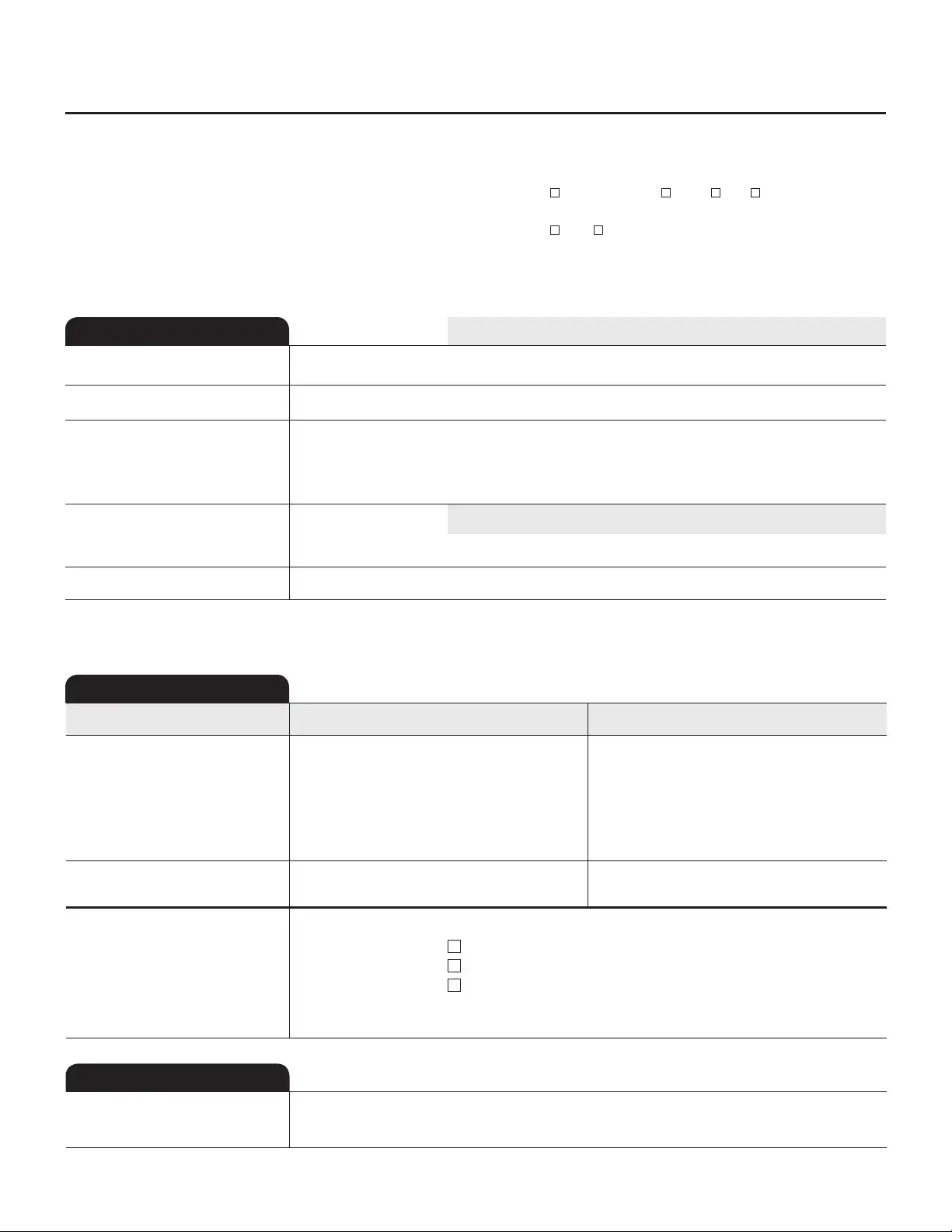
Loan Costs Other Costs
A. Origination Charges $1,802
.25 % of Loan Amount (Points) $405
Application Fee $300
Underwriting Fee $1,097
B. Services You Cannot Shop For $672
Appraisal Fee $405
Credit Report Fee $30
Flood Determination Fee $20
Flood Monitoring Fee $32
Tax Monitoring Fee $75
Tax Status Research Fee $110
C. Services You Can Shop For $3,198
Pest Inspection Fee $135
Survey Fee $65
Title – Insurance Binder $700
TitleLender’s Title Policy $535
TitleTitle Search $1,261
Title – Settlement Agent Fee $502
D. TOTAL LOAN COSTS A + B + C $5,672
E. Taxes and Other Government Fees $85
Recording Fees and Other Taxes $85
Transfer Taxes $0
F. Prepaids $867
Homeowner’s Insurance Premium ( 6 months) $605
Mortgage Insurance Premium ( 0 months) $0
Prepaid Interest ( $17.44 per day for 15 days @ 3.875%) $262
Property Taxes ( 0 months) $0
G. Initial Escrow Payment at Closing $413
Homeowner’s Insurance $100.83 per month for 2
3mo. $202
Mortgage Insurance per month for
0 mo.
Property Taxes $105.30 per month for 2 mo. $211
H. Other $1,017
TitleOwners Title Policy (optional) $1,017
I. TOTAL OTHER COSTS (E + F + G + H) $2,382
J. TOTAL CLOSING COSTS $8,054
D + I $8,054
Lender Credits $0
Total Closing Costs (J) $8,054
Closing Costs Financed (Included in Loan Amount)
$0
Down Payment/Funds from Borrower $18,000
Deposit – $10,000
Funds for Borrower $0
Seller Credits $0
Adjustments and Other Credits $0
Estimated Cash to Close $16,054
Calculating Cash to Close
LOAN ESTIMATE
Closing Cost Details
LENDER Ficus Bank
NMLS/LICENSE ID
LOAN OFFICER Joe Smith
NMLS ID 12345
EMAIL joesmith@cusbank.com
PHONE 123-456-7890
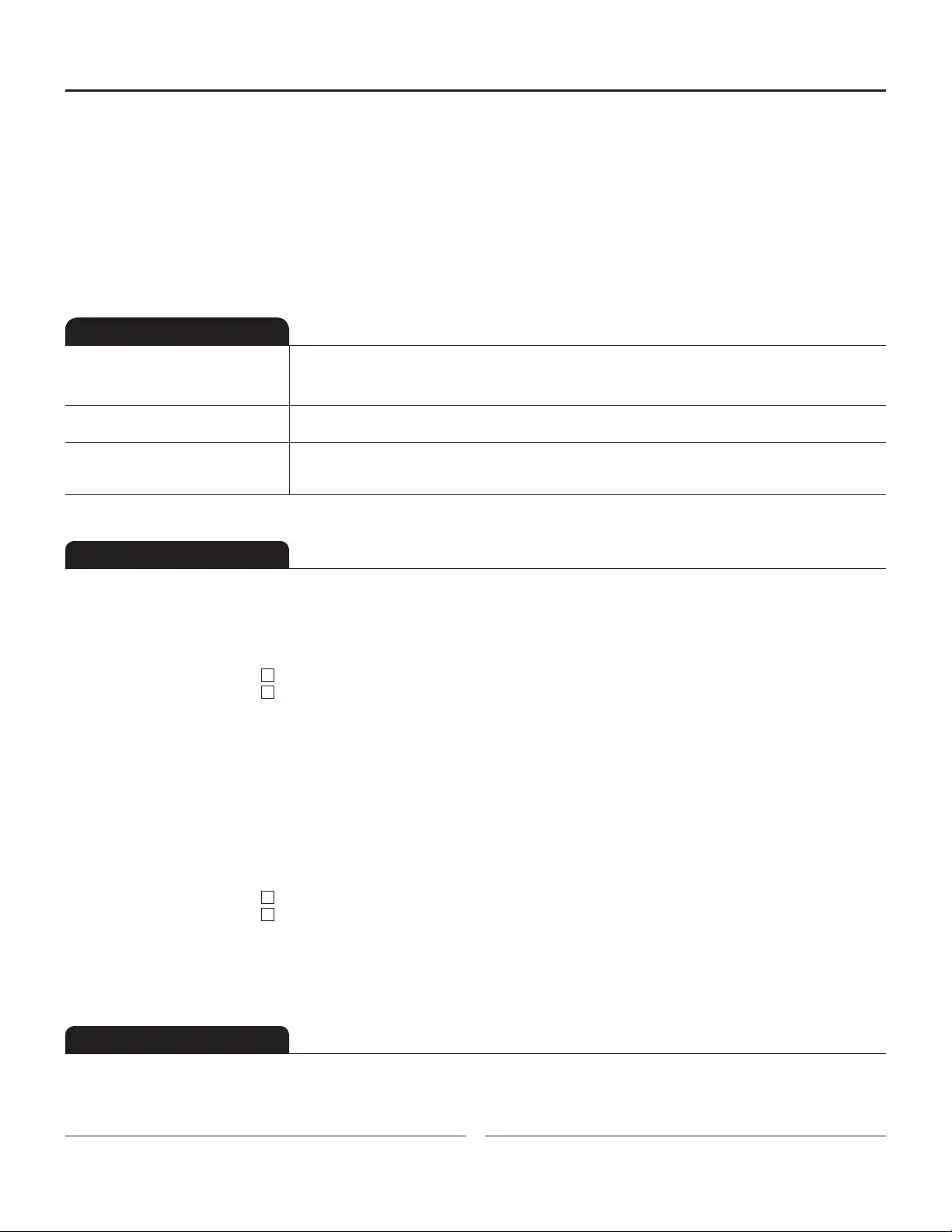
Comparisons
Use these measures to compare this loan with other loans.
In 5 Years
$56,582 Total you will have paid in principal, interest, mortgage insurance, and loan costs.
$15,773 Principal you will have paid o.
Annual Percentage Rate (APR)
4.494% Your costs over the loan term expressed as a rate. This is not your interest rate.
Total Interest Percentage (TIP) 69.447% The total amount of interest that you will pay over the loan term as a
percentage of your loan amount.
We may order an appraisal to determine the propertys value and charge you for this
appraisal. We will promptly give you a copy of any appraisal, even if your loan does not close.
You can pay for an additional appraisal for your own use at your own cost.
If you sell or transfer this property to another person, we
will allow, under certain conditions, this person to assume this loan on the original terms.
x
will not allow this person to assume this loan on the original terms.
This loan requires homeowner’s insurance on the property, which you may obtain from a
company of your choice that we nd acceptable.
If your payment is more than 15 days late, we will charge a late fee of 5% of the monthly
principal and interest payment.
Renancing this loan will depend on your future nancial situation, the property value, and
market conditions. You may not be able to renance this loan.
We intend
to service your loan. If so, you will make your payments to us.
x
to transfer servicing of your loan.
Appraisal
Assumption
Homeowner’s
Insurance
Late Payment
Renance
Servicing
Other Considerations
Additional Information About This Loan
MORTGAGE BROKER
NMLS/LICENSE ID
LOAN OFFICER
NMLS ID
EMAIL
PHONE
LOAN ESTIMATE
Conrm Receipt
By signing, you are only conrming that you have received this form. You do not have to accept this loan because you have signed or
received this form.
Applicant Signature Date Co-Applicant Signature Date

File Properties

Fact Name Description Governing Law
Purpose of the Loan Estimate The Loan Estimate provides borrowers with important details about their mortgage, including loan terms, projected payments, and closing costs. Regulation Z (Truth in Lending Act)
Loan Estimate Validity The Loan Estimate is valid for 10 business days from the date it is issued, allowing borrowers to compare offers before making a decision. Regulation Z (Truth in Lending Act)
Interest Rate Lock Borrowers can lock in their interest rate, which protects them from potential rate increases before closing. State-specific mortgage lending laws
Estimated Cash to Close The Loan Estimate outlines the estimated cash needed at closing, including down payment and closing costs. State-specific mortgage lending laws

Instructions on Utilizing Loan Estimate

Filling out the Loan Estimate form is a crucial step in understanding your mortgage options. This document provides important information about the terms of your loan, helping you make informed decisions. Here’s how to complete the form effectively.

  1. Identify the Lender: At the top of the form, write the name of the lender, which in this case is Ficus Bank, along with their address.
  2. Enter Loan Information: Fill in the loan term, purpose, and product type. For example, you might select a 30-year fixed-rate loan.
  3. List the Applicants: Write the names of all applicants, such as John A. and Mary B.
  4. Provide Loan Type: Indicate the type of loan you are applying for, such as Conventional, FHA, or VA.
  5. Fill in Property Address: Enter the address of the property you intend to purchase.
  6. Complete Loan ID: Write the loan identification number, which is essential for tracking your application.
  7. Rate Lock Information: Specify whether you have locked in your interest rate and the expiration date for that lock.
  8. Enter Sale Price: Fill in the estimated sale price of the property you wish to buy.
  9. Provide Loan Amount: Write the amount you are borrowing.
  10. Fill in Interest Rate: Enter the interest rate you expect to receive on the loan.
  11. Calculate Monthly Payments: Estimate your monthly principal and interest payment based on the loan amount and interest rate.
  12. Detail Projected Payments: Include any additional costs such as mortgage insurance and property taxes.
  13. Calculate Cash to Close: Provide an estimate of the cash needed at closing, including closing costs and down payment.
  14. List Closing Cost Details: Break down the closing costs into categories such as loan costs and other costs.
  15. Complete Additional Information: Fill in any additional information about the loan, including the lender's contact details and your loan officer's information.

After completing the Loan Estimate form, review it carefully to ensure all information is accurate. This document will serve as a valuable reference as you proceed with your mortgage process.

Important Facts about Loan Estimate

What is a Loan Estimate form and why is it important?

The Loan Estimate form is a standardized document provided by lenders to borrowers within three business days of receiving a loan application. It outlines key details about the loan, including the estimated interest rate, monthly payments, and closing costs. This form is crucial because it allows borrowers to compare offers from different lenders, ensuring they understand the financial implications of their mortgage. By reviewing this estimate, individuals can make informed decisions about which loan best suits their needs.

How can I use the Loan Estimate to compare different loan offers?

When you receive Loan Estimates from multiple lenders, focus on the key figures presented in each document. Compare the interest rates, monthly payments, and total closing costs. The form also includes a section for the Annual Percentage Rate (APR) and Total Interest Percentage (TIP), which are useful for understanding the overall cost of the loan over its duration. By analyzing these elements, you can identify which loan offers the best terms and aligns with your financial goals.

What should I do if I notice discrepancies in the Loan Estimate?

If you find discrepancies in the Loan Estimate, it is essential to address them promptly. Contact your lender for clarification on any figures that seem incorrect or inconsistent. Discrepancies may arise from miscalculations or misunderstandings regarding the terms of the loan. It is your right as a borrower to seek clarification and ensure that the terms you are agreeing to are accurately represented in the document.

Can the terms in the Loan Estimate change before closing?

Yes, the terms outlined in the Loan Estimate can change before closing, particularly the interest rate and closing costs. However, if you choose to lock in your interest rate, it will remain fixed until closing, provided you meet the lender's conditions. It is important to review the Loan Estimate closely and understand the expiration dates for the estimated closing costs, as these can also change if not locked in by the specified date.

Common mistakes

When filling out the Loan Estimate form, individuals often make several common mistakes that can lead to confusion or complications later in the process. Understanding these mistakes can help ensure a smoother experience when applying for a loan.

One frequent error is not comparing the Loan Estimate with the Closing Disclosure. This comparison is crucial, as it allows borrowers to verify that the terms and costs of the loan have not changed significantly. Failing to save the Loan Estimate for this purpose can lead to misunderstandings about final costs and terms.

Another mistake is overlooking the importance of locking in the interest rate. Borrowers may assume that their interest rate will remain the same throughout the process. However, if the interest rate is not locked, it can change before closing, potentially increasing monthly payments.

Many applicants also fail to review the projected payments section carefully. This section outlines the monthly costs, including principal, interest, and any additional fees. Ignoring these details can result in unexpected financial burdens once the loan is finalized.

Some people do not fully understand the implications of the loan features listed on the form. For instance, terms like "prepayment penalty" or "balloon payment" can have significant consequences. Ignoring these features may lead to financial strain if the borrower is not fully aware of their obligations.

Additionally, applicants often miscalculate their cash to close. This figure includes not only the down payment but also closing costs and any other fees. Failing to account for all these elements can lead to last-minute surprises that may jeopardize the loan process.

Lastly, many borrowers neglect to check the accuracy of their personal information on the Loan Estimate. Errors in names, addresses, or other identifying details can cause delays or complications in processing the loan. Ensuring that all information is correct is essential for a smooth application process.

Documents used along the form

The Loan Estimate form is a crucial document in the mortgage process, providing borrowers with essential information about their loan terms and costs. Several other forms and documents accompany the Loan Estimate to ensure clarity and compliance throughout the lending process. Below is a list of commonly used forms that you may encounter.

  • Closing Disclosure: This document outlines the final terms of the loan, including all costs associated with closing. It is provided to the borrower at least three days before closing to allow for review and comparison with the Loan Estimate.
  • Loan Application (Form 1003): This is the standard form used by lenders to collect information about the borrower, including personal details, employment history, and financial status. It serves as the basis for the loan underwriting process.
  • Credit Report: Lenders obtain this report to assess the borrower's creditworthiness. It includes the borrower's credit history, outstanding debts, and credit score, which influence loan approval and terms.
  • Appraisal Report: An appraisal determines the market value of the property being financed. This report is essential for the lender to ensure that the loan amount does not exceed the property's value.
  • Title Insurance Policy: This document protects the lender and borrower from potential claims against the property title. It ensures that the property is free from liens or other legal issues that could affect ownership.
  • Homeowners Insurance Policy: Lenders typically require borrowers to maintain homeowners insurance to protect the property against damage or loss. This policy is often included in the closing costs.
  • Good Faith Estimate (GFE): Although largely replaced by the Loan Estimate, some lenders may still provide a GFE. It offers an early estimate of the costs associated with the mortgage, helping borrowers understand potential expenses.

Understanding these documents can help borrowers navigate the mortgage process more effectively. Each form plays a specific role in ensuring transparency and protecting the interests of both the lender and the borrower.

Similar forms

The Loan Estimate form shares similarities with several other important documents in the mortgage process. Here are eight documents that are comparable to the Loan Estimate, along with explanations of how they relate:

  • Closing Disclosure: This document provides final details about the mortgage loan, including the loan terms, projected payments, and closing costs. It is similar to the Loan Estimate in that it outlines the costs associated with the loan, but it reflects the actual terms agreed upon at closing.
  • Good Faith Estimate (GFE): Previously used in the mortgage process, the GFE outlines estimated closing costs and loan terms. Like the Loan Estimate, it aims to help borrowers understand their costs before finalizing a loan.
  • Truth in Lending Disclosure (TIL): This document provides information about the cost of borrowing, including the annual percentage rate (APR) and total interest percentage (TIP). Both the TIL and Loan Estimate help borrowers compare loan offers and understand the financial implications of their choices.
  • Mortgage Loan Application (Form 1003): This application collects information about the borrower and the loan being sought. While the Loan Estimate focuses on costs and terms, the application gathers personal and financial details necessary for the lender to assess eligibility.
  • Loan Agreement: This document details the terms of the loan once approved, including repayment terms and conditions. The Loan Estimate provides a preview of these terms, helping borrowers understand what to expect in the loan agreement.
  • Property Appraisal Report: This report assesses the value of the property being financed. While the Loan Estimate includes estimated costs, the appraisal report provides an objective valuation that can impact the loan amount and terms.
  • Title Insurance Policy: This document protects against any issues with the property title. The Loan Estimate may outline costs associated with title insurance, helping borrowers understand the financial aspects of securing their ownership rights.
  • Homeowner’s Insurance Policy: This insurance protects against damages to the property. The Loan Estimate includes estimated costs for homeowner’s insurance, similar to how the insurance policy outlines coverage and costs for the borrower.

Dos and Don'ts

When filling out the Loan Estimate form, careful attention to detail is essential. Here are four important actions to consider, along with some pitfalls to avoid.

  • Do read the entire form thoroughly. Understanding all sections will help you make informed decisions.
  • Do verify your personal information. Ensure that names, addresses, and loan details are accurate.
  • Do compare the Loan Estimate with other offers. This can help you determine if you're getting a competitive rate.
  • Do ask questions if you don't understand something. Contact your lender for clarification on any confusing terms.
  • Don't rush through the form. Taking your time can prevent mistakes that might cost you later.
  • Don't ignore the estimated closing costs. These can significantly impact your overall financial picture.
  • Don't assume all lenders are the same. Different lenders may offer different terms and rates.
  • Don't forget to keep a copy for your records. This will be useful for future reference and comparisons.

Misconceptions

Understanding the Loan Estimate form can be crucial for making informed decisions about your mortgage. However, several misconceptions often arise. Here are ten common misunderstandings:

  1. The Loan Estimate is a final loan offer. Many people believe that the Loan Estimate is a binding contract. In reality, it is just an estimate of loan terms and costs, not a final offer.
  2. All lenders provide the same Loan Estimate. Each lender may present different terms and costs. It’s essential to compare Loan Estimates from various lenders to find the best deal.
  3. The interest rate cannot change after receiving the Loan Estimate. The interest rate can change until you lock it in. Until that point, it remains subject to market fluctuations.
  4. The Loan Estimate includes all closing costs. While it provides a breakdown of estimated costs, some fees may not be included, such as certain prepaid costs or additional charges that may arise later.
  5. You must accept the loan terms presented in the Loan Estimate. Receiving a Loan Estimate does not obligate you to accept the loan. You have the freedom to shop around for better options.
  6. The Loan Estimate is only for conventional loans. The Loan Estimate applies to various loan types, including FHA and VA loans, not just conventional loans.
  7. Loan Estimates are only for first-time homebuyers. Anyone applying for a mortgage, whether a first-time buyer or a seasoned homeowner, will receive a Loan Estimate.
  8. The Loan Estimate is the same as the Closing Disclosure. These are different documents. The Closing Disclosure provides final details about the loan and closing costs, while the Loan Estimate is an initial estimate.
  9. All costs listed in the Loan Estimate are mandatory. Some costs can be negotiated or may not apply to your specific situation, such as certain lender fees.
  10. You cannot question the fees listed in the Loan Estimate. You have the right to ask your lender for clarification or justification of any fees you don’t understand or believe are excessive.

By understanding these misconceptions, borrowers can better navigate the mortgage process and make informed decisions.

Key takeaways

When filling out and using the Loan Estimate form, keep these key takeaways in mind:

  • Understand the purpose: The Loan Estimate helps you compare loan offers and understand the terms of your mortgage.
  • Review the loan terms: Pay close attention to the loan amount, interest rate, and monthly payments.
  • Check for changes: Your interest rate and closing costs can change before closing unless you lock in your rate.
  • Know your cash to close: This figure includes your down payment and closing costs. Make sure you have enough funds available.
  • Look at comparisons: Use the comparison section to evaluate how this loan stacks up against others you may be considering.
  • Read the additional information: This section contains important details about insurance requirements, late payment fees, and loan servicing.