Make Ready Checklist PDF Template

Make Ready Checklist PDF Template

The Make Ready Checklist form is a vital tool used by property managers and maintenance teams to ensure that rental units are thoroughly inspected and prepared for new tenants. This comprehensive checklist covers every aspect of a unit, from the kitchen to the bathrooms, allowing for a systematic review of conditions and necessary repairs. To ensure a smooth move-in process, fill out the form by clicking the button below.

Article Guide

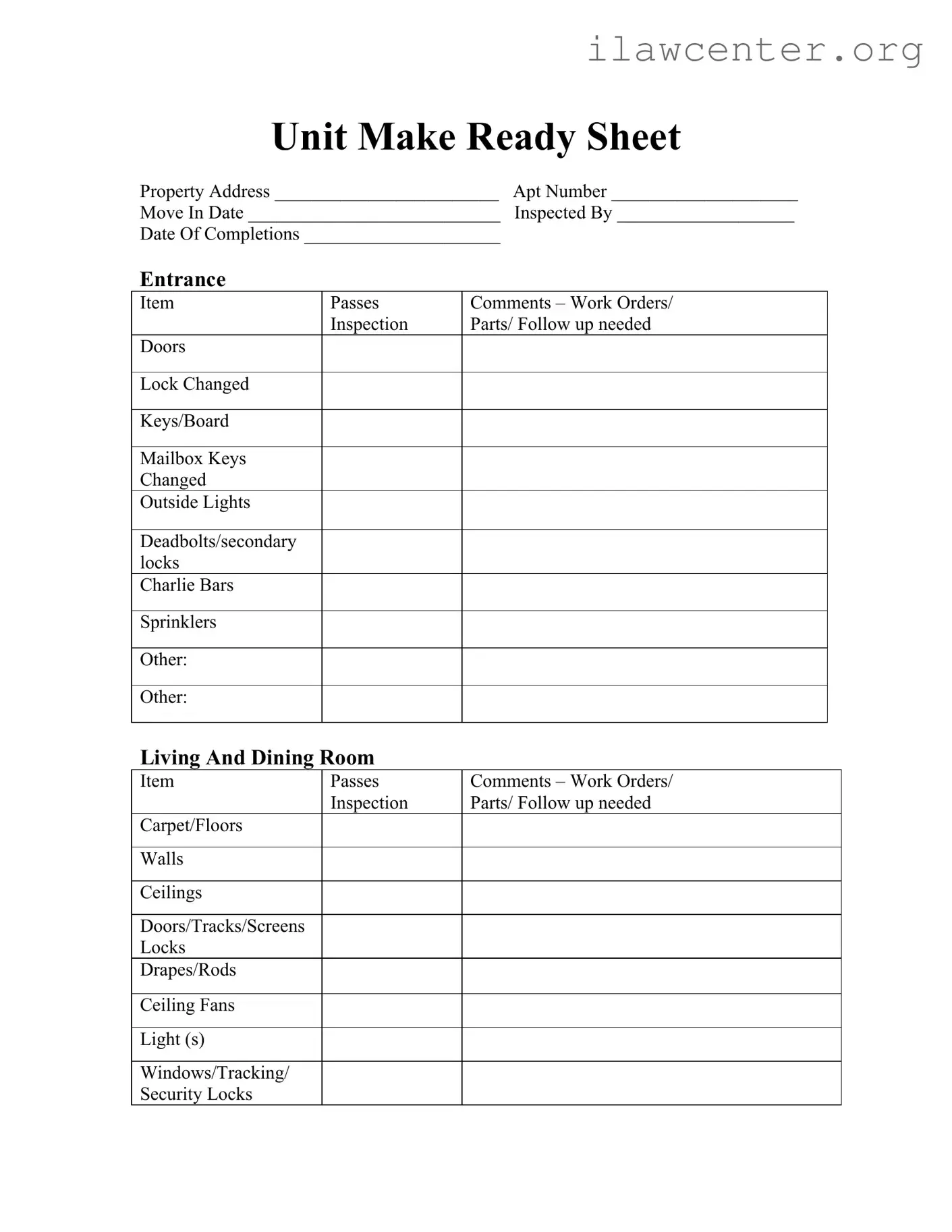
The Make Ready Checklist form serves as a crucial tool in property management, ensuring that rental units are thoroughly inspected and prepared for new tenants. This comprehensive document covers various aspects of the unit, from the entrance to each room, and even outdoor spaces. It includes specific items to check, such as doors, locks, and lighting fixtures, along with detailed sections for the living room, kitchen, bedrooms, hallways, and bathrooms. Each section prompts the inspector to note whether items pass inspection, along with comments on necessary work orders or follow-ups. The checklist emphasizes not only the physical condition of the property but also the functionality of appliances and fixtures. By systematically addressing each area, the form helps maintain high standards of livability and safety, ultimately enhancing tenant satisfaction and property value.

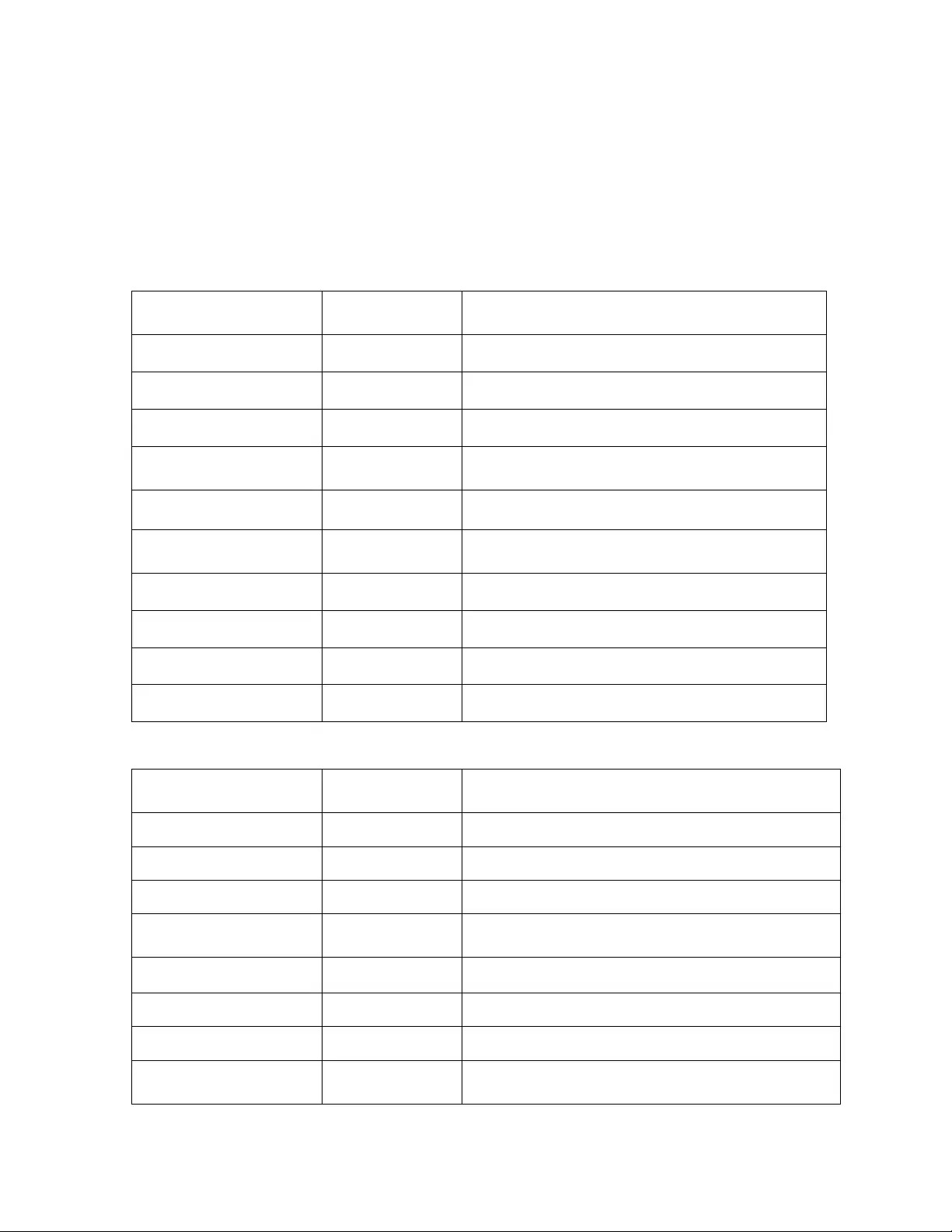
Make Ready Checklist Preview

Unit Make Ready Sheet
Property Address ________________________ Apt Number ____________________
Move In Date ___________________________ Inspected By ___________________
Date Of Completions _____________________
Entrance
Item Passes
Inspection
Comments – Work Orders/
Parts/ Follow up needed
Doors
Lock Changed
Keys/Board
Mailbox Keys
Changed
Outside Lights
Deadbolts/secondary
locks
Charlie Bars
Sprinklers
Other:
Other:
Living And Dining Room
Item Passes
Inspection
Comments – Work Orders/
Parts/ Follow up needed
Carpet/Floors
Walls
Ceilings
Doors/Tracks/Screens
Locks
Drapes/Rods
Ceiling Fans
Light (s)
Windows/Tracking/
Security Locks
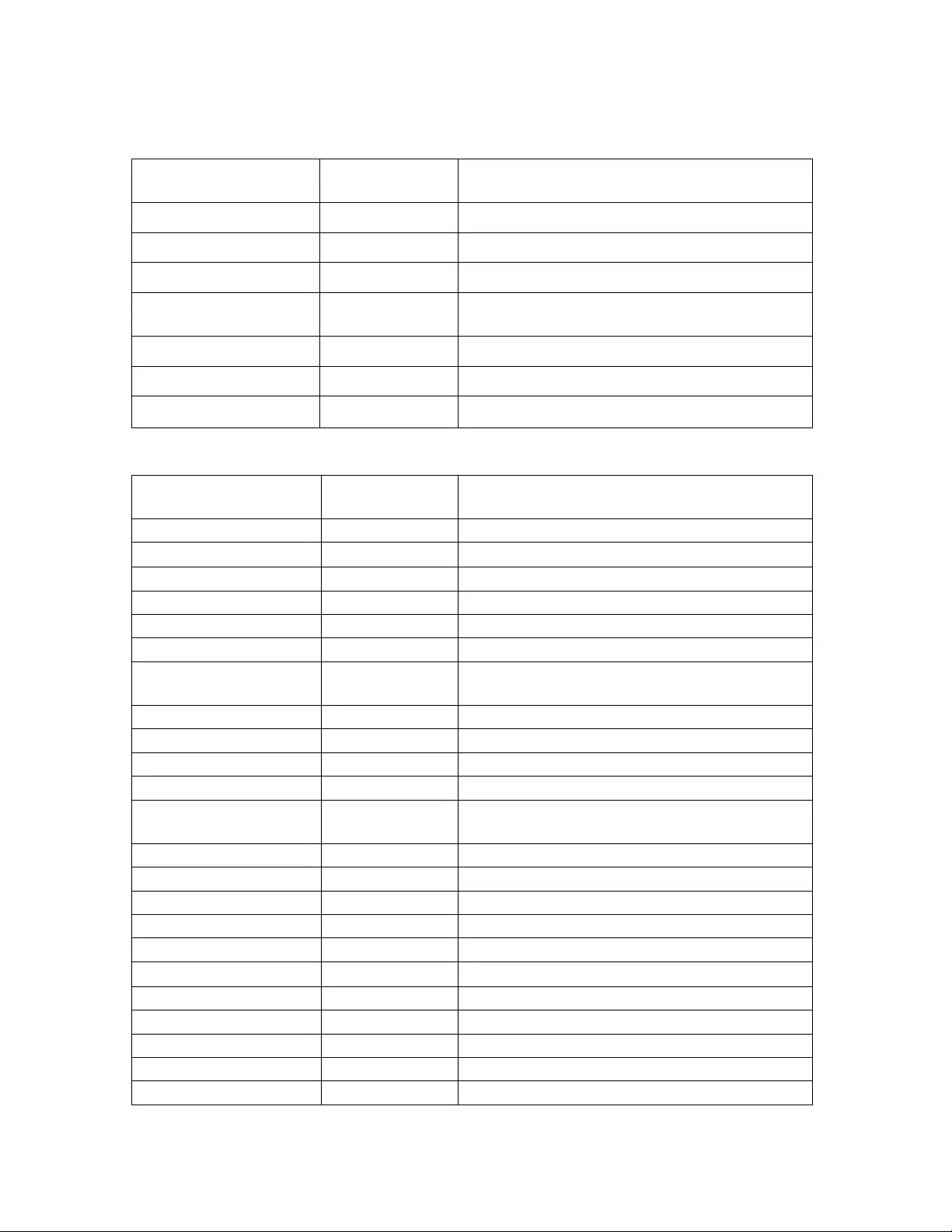
Patio/Balcony/Door
Item Passes
Inspection
Comments – Work Orders/
Parts/ Follow up needed
Railings/Fence
Floor
Outside Lights
Entrance Door
Painted/Exterior
Outside Closets
Patio Door/Screen
Other:
Kitchen
Item Passes
Inspection
Comments – Work Orders/
Parts/ Follow up needed
Stove/Drawer
Burners
Drip Pan
Oven Door
Racks
Oven Liner
Refrigerator/Rack/
Condensate Plate
Light
Crisper
Thermostat
Racks
Dishwasher/Operating/
Leaking
Basket
Racks
Wheels
Sink/Stopper/Leaking
Washer
O-Rings
Seats
Sprayer
Strainer
Aerator
Disposal/Leaking
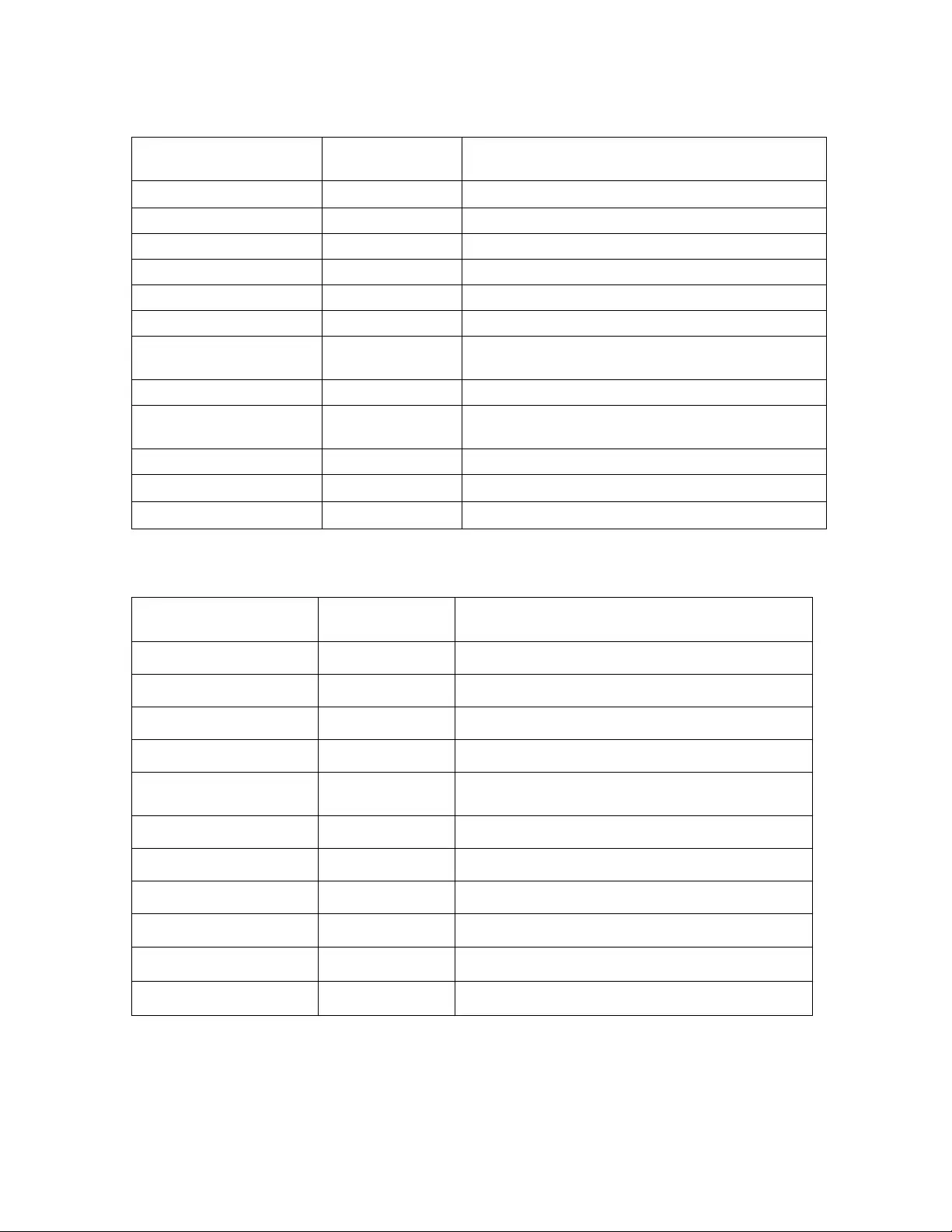
Kitchen Continued
Item Passes
Inspection
Comments – Work Orders/
Parts/ Follow up needed
Moisture Anywhere
Range/Hood/Filter/Fan
Walls
Ceilings
Floor/Tile
Cabinets/Counter
Lighting/Outlets/
Switchplates/GFI’s
HVAC Vents
Windows/Screens/
Locks/Pins
Drawers
Other:
Other:
Bedroom 1
Item Passes
Inspection
Comments – Work Orders/
Parts/ Follow up needed
Walls
Ceilings
Carpets/Floors
Doors/Stops
Windows/Locks/
Screens/Pins
Drapes/Rods
Lighting/Outlets
Closets/Doors
A/C / Vents
Other:
Other:
Bedroom 2
Item Passes
Inspection
Comments – Work Orders/
Parts/ Follow up needed
Walls
Ceilings
Carpets/Floors
Doors/Stops
Windows/Locks/
Screens/Pins
Drapes/Rods
Lighting/Outlets
Closets/Doors
A/C / Vents
Other:
Other:
Bedroom 3
Item Passes
Inspection
Comments – Work Orders/
Parts/ Follow up needed
Walls
Ceilings
Carpets/Floors
Doors/Stops
Windows/Locks/
Screens/Pins
Drapes/Rods
Lighting/Outlets
Closets/Doors
A/C / Vents
Other:
Other:
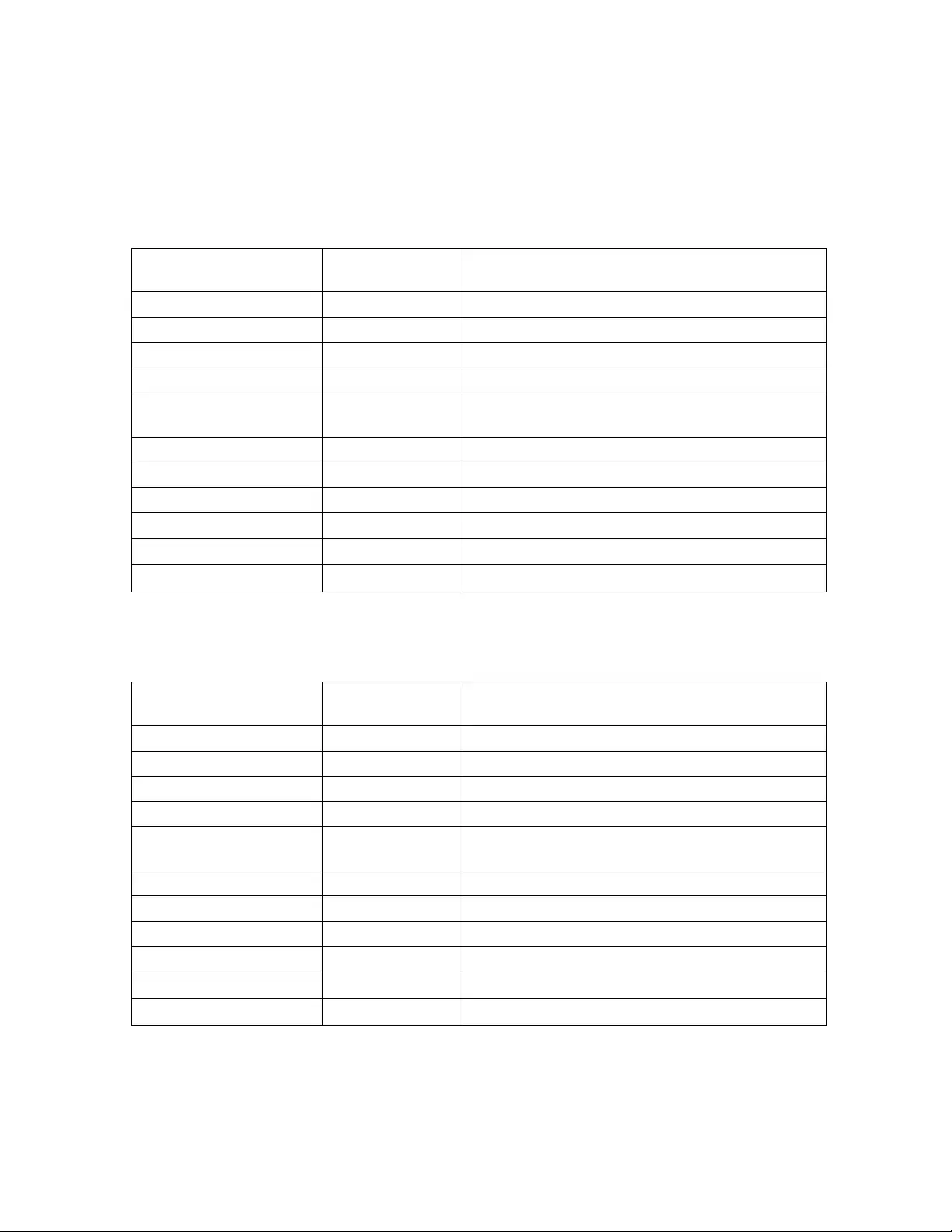
Hallways
Item Passes
Inspection
Comments – Work Orders/
Parts/ Follow up needed
Air Handler
Air Filter/Sticker
Fire Extinguisher
Smoke Alarm
Ceilings
Walls
Carpet/Floors
Closet/Doors
Lighting/Outlets
Other:
Other:
Bathroom 1
Item Passes
Inspection
Comments – Work Orders/
Parts/ Follow up needed
Walls
Ceiling
Floor/Tiles
Bath Tile/Grout
Shower/Tub
Toilette/Seat
Check Plumbing/
Stopper
Vent Fan
Cabinet/Counter
Sink
Doors/Stops
Lighting/Outlets/GFI’s
Med Cab/Mirrors
Towel Bars/Shower
Rods
Heater
Mold/Mildew
Fans
Leaks
Other
Bathroom 2
Item Passes
Inspection
Comments – Work Orders/
Parts/ Follow up needed
Walls
Ceiling
Floor/Tiles
Bath Tile/Grout
Shower/Tub
Toilette/Seat
Check Plumbing/
Stopper
Vent Fan
Cabinet/Counter
Sink
Doors/Stops
Lighting/Outlets/GFI’s
Med Cab/Mirrors
Towel Bars/Shower
Rods
Heater
Mold/Mildew
Fans
Leaks
Other

File Properties

Fact Name Description
Purpose The Make Ready Checklist is designed to ensure that a rental unit is prepared for new tenants.
Inspection Items It includes various categories such as entrance, living areas, kitchen, bedrooms, hallways, and bathrooms.
Condition Assessment Each item on the checklist is marked as "Pass" or "Fail" to indicate its condition.
Comments Section There is space for comments, work orders, and follow-up needs for each item inspected.
Legal Compliance In some states, the checklist may be governed by local housing laws or regulations that mandate certain standards.
Move-In Date The form captures the move-in date, ensuring that all preparations align with tenant schedules.
Inspection Responsibility The form requires the name of the inspector, holding them accountable for the inspection quality.
Documentation Properly completed checklists serve as documentation that the property was ready for occupancy, which can be crucial in disputes.

Instructions on Utilizing Make Ready Checklist

Completing the Make Ready Checklist form is essential for ensuring that all aspects of a property are prepared for new tenants. The form covers various areas of the unit, including the entrance, living and dining rooms, kitchen, bedrooms, hallways, and bathrooms. After filling out the checklist, it will provide a comprehensive overview of the property's condition and any necessary repairs or follow-ups.

  1. Begin by entering the property address in the designated space.
  2. Fill in the apartment number where applicable.
  3. Specify the move-in date for the new tenant.
  4. Indicate who inspected the unit by writing their name in the "Inspected By" field.
  5. Record the date of completion for the inspection.
  6. For each section of the checklist (Entrance, Living and Dining Room, Kitchen, Bedrooms, Hallways, and Bathrooms), assess each item listed.
  7. Mark whether each item passes inspection or requires attention.
  8. Provide comments for any items that need work orders, inspections, or follow-ups.
  9. Repeat the assessment process for each area of the unit, ensuring that all items are addressed.
  10. Review the entire form for completeness and accuracy before submission.

Important Facts about Make Ready Checklist

What is the purpose of the Make Ready Checklist form?

The Make Ready Checklist form is designed to ensure that a rental unit is thoroughly inspected and prepared for new tenants. It serves as a systematic guide to check various aspects of the property, including appliances, fixtures, and overall cleanliness. This helps property managers and maintenance teams identify necessary repairs or cleaning tasks before a tenant moves in.

Who is responsible for completing the Make Ready Checklist?

What items are included in the Make Ready Checklist?

The checklist covers a wide range of items across different areas of the unit. It includes inspections of doors, windows, appliances, flooring, and lighting, among others. Specific sections focus on the kitchen, bathrooms, bedrooms, and common areas, ensuring that no detail is overlooked.

How is the checklist organized?

The checklist is organized by room and item type, allowing for a systematic review of each area. Each section includes space for comments, work orders, and follow-up needs, making it easy to track any issues that require attention. This structured format helps ensure that all necessary inspections are completed.

What should I do if an item does not pass inspection?

If an item does not pass inspection, it should be documented in the comments section of the checklist. Property management should then create a work order for any necessary repairs or replacements. Following this, a timeline for completing the work should be established to ensure the unit is ready for the new tenant by the move-in date.

Can tenants request to see the completed checklist?

Yes, tenants can request to see the completed checklist. Transparency is important in the rental process. Providing tenants with access to the checklist can help them understand the condition of the unit and any repairs that have been made. This can also foster trust between tenants and property management.

How often should the Make Ready Checklist be used?

The Make Ready Checklist should be used every time a unit is prepared for a new tenant. This ensures consistency in the inspection process and helps maintain the quality of the rental property. Regular use of the checklist can also help identify recurring issues that may need to be addressed on a larger scale.

What happens if the checklist is not completed?

If the checklist is not completed, it may lead to oversights in preparing the unit for new tenants. This could result in tenant dissatisfaction, complaints, or even potential legal issues if the unit does not meet safety and habitability standards. It is crucial to complete the checklist to ensure a smooth transition for both property management and tenants.

Are there any specific regulations regarding the Make Ready Checklist?

While there may not be specific regulations governing the Make Ready Checklist itself, property management must adhere to local housing codes and safety standards. These regulations often dictate the condition in which rental properties must be maintained and prepared for new tenants. Compliance with these standards is essential to avoid legal complications.

How can I provide feedback on the Make Ready Checklist process?
Common mistakes

Completing the Make Ready Checklist form is essential for ensuring that a rental unit is prepared for new occupants. However, several common mistakes can hinder the process and lead to complications later. One frequent error is failing to provide complete information in the designated fields. For instance, neglecting to fill out the property address or apartment number can create confusion and delay the move-in process. Each piece of information plays a crucial role in tracking the unit's readiness.

Another mistake often made is overlooking the importance of detailed comments. Simply marking an item as "pass" without elaborating on any necessary work orders or inspections can lead to unresolved issues. For example, if a door passes inspection but has a minor issue that needs attention, documenting that concern ensures it is addressed before the new tenant arrives.

In addition, some individuals may not thoroughly inspect each item listed on the checklist. Rushing through the process can result in missed problems, such as a malfunctioning smoke alarm or a leaky faucet. It is vital to take the time to check every aspect of the unit, as these oversights can lead to tenant complaints and potential damages.

Another common oversight involves the use of the "Other" sections. These areas are designed for additional notes or items that may not fit into the standard categories. Failing to utilize these spaces can result in incomplete assessments. If there are unique features or concerns about the unit, documenting them in the "Other" sections helps provide a comprehensive overview of the unit's condition.

Moreover, people sometimes forget to date their inspections. Noting the date of completion is important for record-keeping and accountability. It helps track when the unit was last inspected and can be useful for future reference if issues arise later.

Additionally, some may neglect to involve all relevant parties in the inspection process. A collaborative approach can yield a more thorough assessment. Having multiple perspectives can help identify problems that one person might overlook. Involving maintenance staff or property managers can ensure that all necessary repairs are noted and addressed.

Finally, a lack of follow-up on work orders can lead to unresolved issues that affect tenant satisfaction. It is crucial to ensure that any repairs or inspections noted on the checklist are completed before the new tenant moves in. Keeping a record of follow-up actions helps maintain the property’s condition and enhances the overall rental experience.

Documents used along the form

The Make Ready Checklist form is an essential tool for preparing a rental unit for new tenants. It ensures that all necessary inspections and repairs are completed before the move-in date. Along with this checklist, several other forms and documents are commonly used to facilitate the process of getting a unit ready. Here is a list of those documents:

  • Lease Agreement: This document outlines the terms and conditions of the rental agreement between the landlord and tenant, including rent amount, duration, and responsibilities.
  • Move-In Inspection Report: This report details the condition of the unit at the time of the tenant's move-in. It serves as a reference for both parties to assess any damages or issues that may arise later.
  • Work Order Form: This form is used to request repairs or maintenance tasks that need to be completed before the tenant moves in. It helps track the status of these requests.
  • Property Condition Report: Similar to the move-in inspection report, this document provides a comprehensive overview of the property's condition, including any existing issues that need attention.
  • Tenant Application: This form collects essential information from prospective tenants, including personal details, rental history, and references. It is crucial for screening applicants.
  • Security Deposit Receipt: This document acknowledges the receipt of the tenant's security deposit. It outlines the amount collected and any terms regarding its return at the end of the lease.
  • Utility Transfer Form: This form is necessary for transferring utility services (like water, gas, and electricity) into the tenant's name, ensuring they have access to essential services upon moving in.

Using these documents in conjunction with the Make Ready Checklist helps streamline the process of preparing a rental unit. Each form plays a vital role in ensuring a smooth transition for both landlords and tenants.

Similar forms

  • Unit Inspection Checklist: Similar to the Make Ready Checklist, this document outlines the necessary inspections and repairs required before a tenant moves in. It focuses on the condition of the unit and ensures that all essential features are operational.
  • Move-In Inspection Report: This report documents the state of the property at the time of a tenant's move-in. It serves as a record to prevent disputes regarding damages or maintenance issues that may arise later.
  • Property Condition Report: This document provides a detailed assessment of the property's overall condition. Like the Make Ready Checklist, it highlights areas needing attention and maintenance before new occupants arrive.
  • Maintenance Request Form: This form allows tenants to report issues that require repair. It complements the Make Ready Checklist by ensuring that ongoing maintenance is tracked and addressed promptly.
  • Cleaning Checklist: This checklist ensures that the property is thoroughly cleaned before a new tenant moves in. It includes tasks similar to those found in the Make Ready Checklist, focusing on cleanliness and readiness.
  • Safety Inspection Form: This document assesses safety features within the property, such as smoke alarms and fire extinguishers. It aligns with the Make Ready Checklist by ensuring that safety standards are met before occupancy.
  • Utilities Setup Form: This form is used to confirm that all utilities are operational and ready for the new tenant. It shares a similar purpose with the Make Ready Checklist in ensuring the property is livable upon move-in.
  • Inventory Checklist: This document lists all furnishings and appliances included with the rental. It works alongside the Make Ready Checklist to ensure that everything promised to the tenant is present and in working order.
  • Final Walkthrough Checklist: This checklist is used during the final inspection before a tenant moves in. It ensures that all items on the Make Ready Checklist have been completed and that the property meets the expected standards.

Dos and Don'ts

When filling out the Make Ready Checklist form, it's important to ensure accuracy and thoroughness. Here are five things you should and shouldn't do:

  • Do double-check all entries for accuracy.
  • Do use clear and concise comments for any work orders or inspections needed.
  • Do ensure that all necessary sections are completed before submission.
  • Do keep a copy of the completed checklist for your records.
  • Do communicate any urgent issues to the appropriate personnel immediately.
  • Don't leave any sections blank unless they are not applicable.
  • Don't use vague language; be specific about issues.
  • Don't rush through the form; take your time to ensure thoroughness.
  • Don't forget to date the form and include your name.
  • Don't overlook minor details; they can lead to bigger problems later.

Misconceptions

Understanding the Make Ready Checklist form is essential for a smooth transition into a new home. However, there are several misconceptions surrounding this important document. Here are four common misunderstandings:

  • The Make Ready Checklist is only for the landlord's use. Many people believe that this form is solely for property managers. In reality, it serves both parties. Tenants can use it to ensure that everything is in order before moving in.
  • The checklist is exhaustive and covers every possible issue. Some assume that the checklist is a complete guide to all potential problems. While it addresses many common areas, it may not cover every specific issue. It’s important for tenants to conduct their own inspections as well.
  • Once the checklist is completed, no further action is needed. Many think that completing the checklist means all issues are resolved. However, follow-up work orders may still be necessary. It is crucial to address any remaining items before moving in.
  • The checklist is only relevant at the start of a lease. Some individuals believe that this document is only useful during the initial move-in. In fact, it can be a helpful tool throughout the tenancy for ongoing maintenance and inspections.

Key takeaways

Here are some key takeaways for filling out and using the Make Ready Checklist form:

  • Complete All Sections: Ensure every section of the checklist is filled out. This includes details about the property address, apartment number, and move-in date.
  • Use Clear Comments: Provide specific comments for each item inspected. This helps in understanding any issues that need to be addressed.
  • Check Off Items: Mark items as "Passes" or "Needs Work" clearly. This visual cue helps prioritize tasks.
  • Document Follow-Up Needs: If any work orders or inspections are required, note them down. This ensures nothing is overlooked.
  • Inspect Thoroughly: Pay close attention to all areas, including kitchens, bathrooms, and bedrooms. Each room has unique items that need checking.
  • Track Completion Dates: Record the date of completion for any repairs or inspections. This provides a timeline for accountability.
  • Maintain a Copy: Keep a copy of the completed checklist for your records. This can be useful for future reference or disputes.