Medication Error PDF Template

Medication Error PDF Template

The Medication Incident and Discrepancy Report Form is a vital tool used to document any errors related to medication administration or discrepancies in medication dispensing. This form enables healthcare professionals to report incidents that could potentially impact patient health and safety, ensuring that appropriate actions are taken to prevent future occurrences. If you have encountered a medication error, please take a moment to fill out the form by clicking the button below.

Article Guide

Medication errors can have serious implications for patient safety and health outcomes. To address this critical issue, the Medication Error form serves as an essential tool for documenting and reporting incidents related to medication discrepancies. This comprehensive form is designed for use in all medication incidents, allowing pharmacists to report discrepancies at their discretion. The process begins when the pharmacist who discovers the error initiates the report, ensuring that the necessary parties, including the physician and pharmacy manager, are notified promptly. Key sections of the form capture vital patient information, such as name, address, and date of birth, along with details about the medication involved, including the drug name, dosage, and the nature of the error. The form distinguishes between medication incidents, where a patient has received the wrong medication, and discrepancies, where a medication has not been administered at all. Additionally, it allows for the identification of contributing factors, such as improper patient identification or misinterpretation of drug orders. By documenting the severity of the incident and outlining the outcomes of investigations, the form plays a crucial role in improving medication safety and preventing future errors.

Medication Error Preview

Page 1 of 2
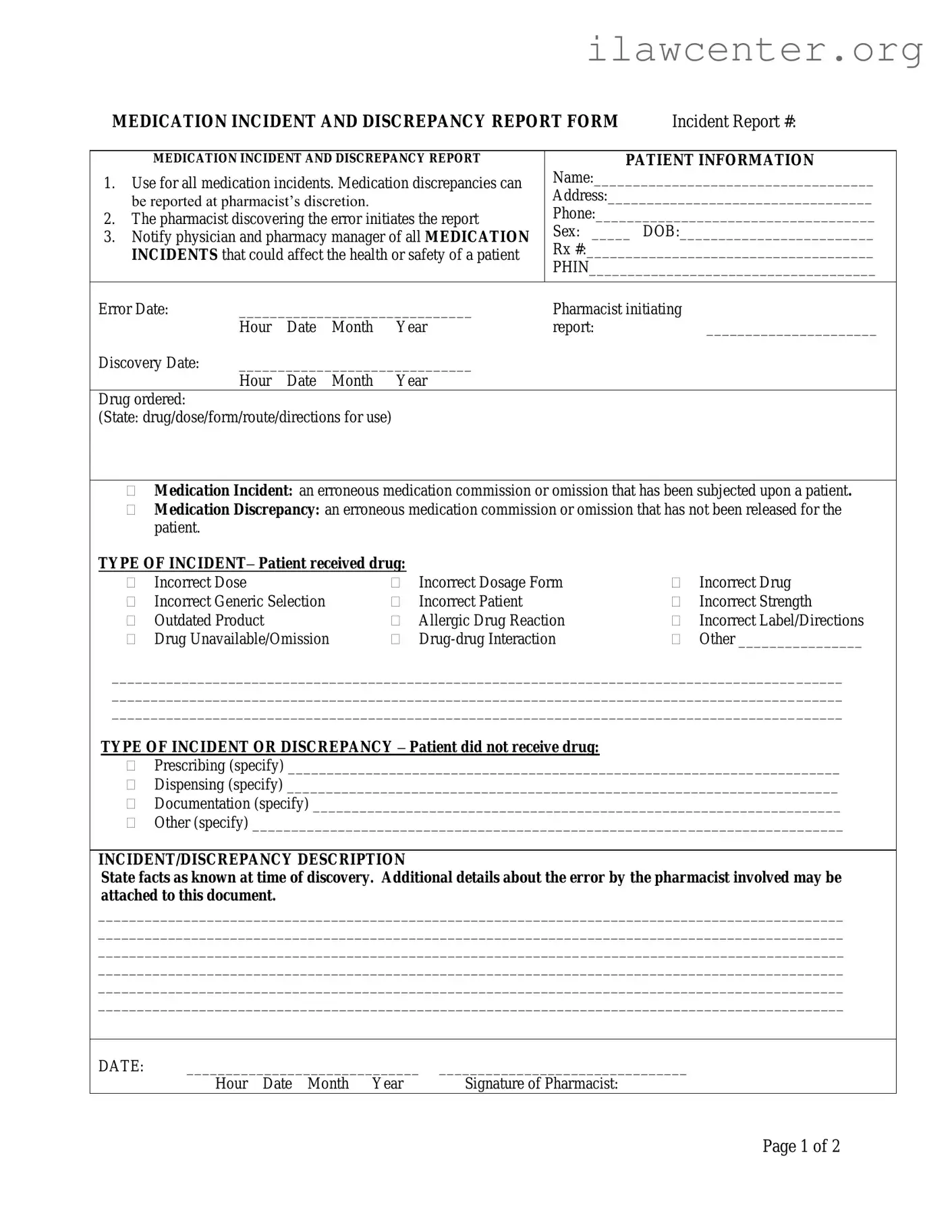
MEDICATION INCIDENT AND DISCREPANCY REPORT FORM Incident Report #:
MEDICATION INCIDENT AND DISCREPANCY REPORT
1. Use for all medication incidents. Medication discrepancies can
be reported at pharmacist’s discretion.
2. The pharmacist discovering the error initiates the report
3. Notify physician and pharmacy manager of all MEDICATION
INCIDENTS that could affect the health or safety of a patient
PATIENT INFORMATION
Name:____________________________________
Address:__________________________________
Phone:____________________________________
Sex: _____ DOB:_________________________
Rx #:_____________________________________
PHIN_____________________________________
Error Date:
______________________________
Hour Date Month Year
Pharmacist initiating
report:
______________________
Discovery Date: ______________________________
Hour Date Month Year
Drug ordered:
(State: drug/dose/form/route/directions for use)
Medication Incident: an erroneous medication commission or omission that has been subjected upon a patient.
Medication Discrepancy: an erroneous medication commission or omission that has not been released for the
patient.
TYPE OF INCIDENT Patient received drug:
Incorrect Dose
Incorrect Generic Selection
Outdated Product
Drug Unavailable/Omission
Incorrect Dosage Form
Incorrect Patient
Allergic Drug Reaction
Drug-drug Interaction
Incorrect Drug
Incorrect Strength
Incorrect Label/Directions
Other ________________
______________________________________________________________________________________________
______________________________________________________________________________________________
______________________________________________________________________________________________
TYPE OF INCIDENT OR DISCREPANCY Patient did not receive drug:
Prescribing (specify) _______________________________________________________________________
Dispensing (specify) _______________________________________________________________________
Documentation (specify) ____________________________________________________________________
Other (specify) ____________________________________________________________________________
INCIDENT/DISCREPANCY DESCRIPTION
State facts as known at time of discovery. Additional details about the error by the pharmacist involved may be
attached to this document.
________________________________________________________________________________________________
________________________________________________________________________________________________
________________________________________________________________________________________________
________________________________________________________________________________________________
________________________________________________________________________________________________
________________________________________________________________________________________________
DATE: ______________________________ ________________________________
Hour Date Month Year Signature of Pharmacist:
Page 2 of 2
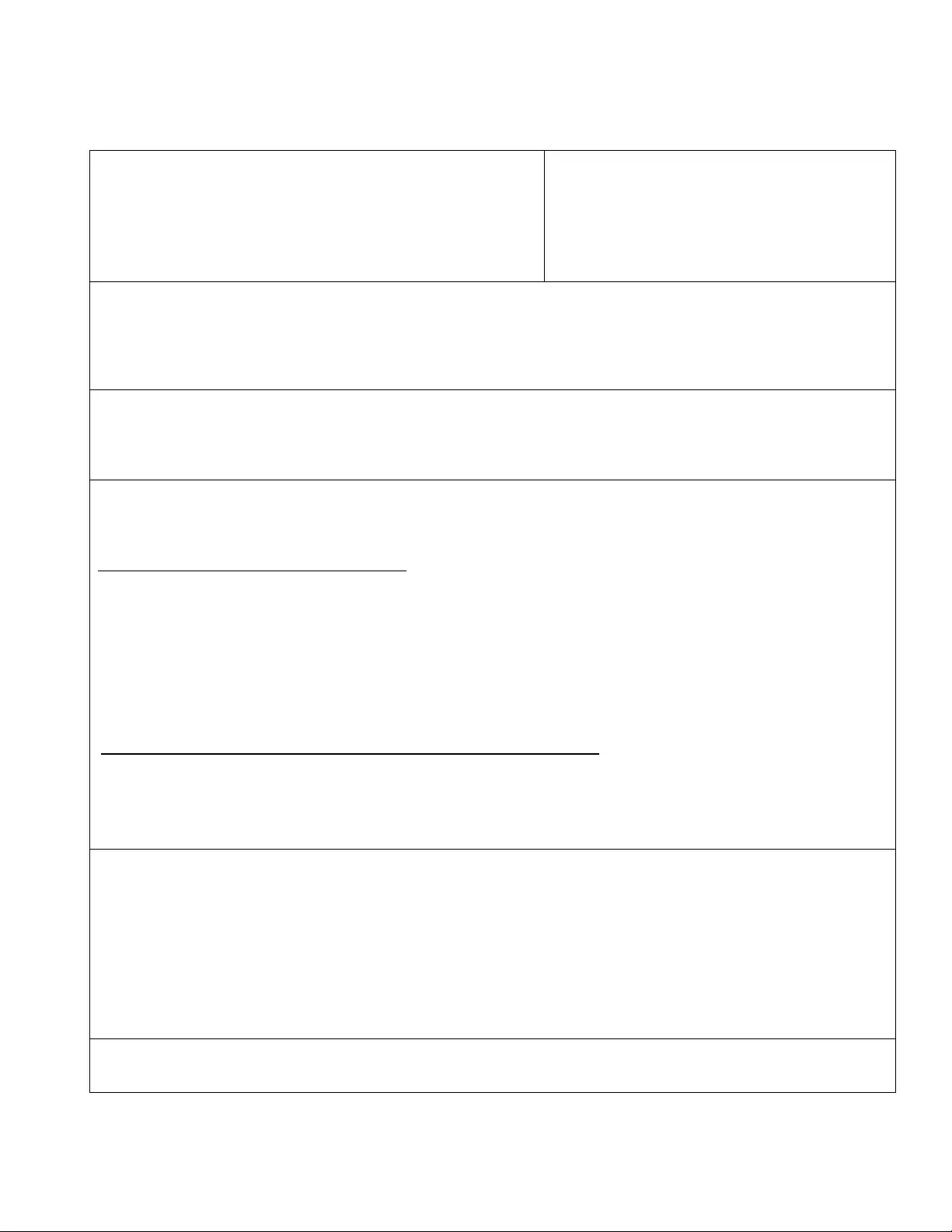
CONTRIBUTING FACTORS
(To be completed by pharmacist responsible)
Improper patient identification
Incorrect transcription
Lack of patient counselling
Misread/misinterpreted drug order (include verbal orders)
Drug unavailable
Other
DATE: ______________________________ __________________
Hour Date Month Year Signature
NOTIFICATION Complete the following information according to Standards of Practice.
1. Patient notified:
2. Physician notified: ____
Yes/No
___________________________
Hour Date Month Year
______________________________
Hour Date Month Year
SEVERITY
None
Minor
Major
No change in patient’s condition: no medical intervention
required
Produces a temporary systemic or localized response: does
not cause ongoing complications
Requires immediate medical intervention
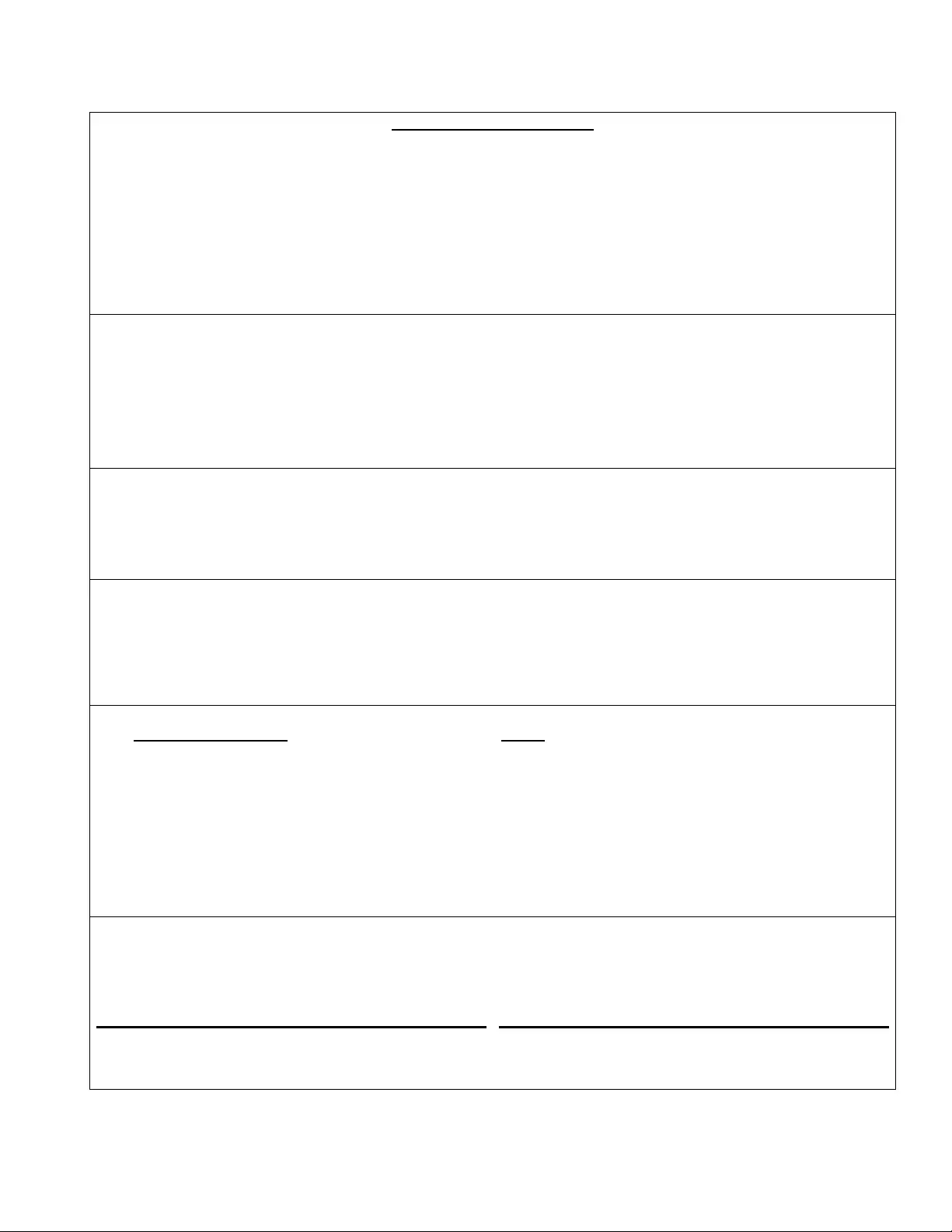
OUTCOME OF INVESTIGATION
FOLLOW-UP:
Problem Identification
Lack of knowledge
Performance problem
Administration problem
Other
Action
Education provided
Policy/procedure changed
System changed
Individual awareness
Group awareness
Other
RESOLUTION OF PROBLEM THAT RESULTED IN THE ERROR BEING MADE:
Signature: Date:
(Pharmacist filling out the form)
Signature: Date:
(Pharmacy Manager)
PHARMACY USE ONLY

File Properties

Fact Name Detail
Purpose This form is used to report all medication incidents and discrepancies that occur within a pharmacy setting.
Initiation The report must be initiated by the pharmacist who discovers the medication error.
Notification Requirement It is mandatory to notify both the physician and the pharmacy manager of any incidents that could impact patient safety.
Patient Information The form requires detailed patient information, including name, address, phone number, sex, date of birth, and prescription number.
Types of Incidents Several types of incidents can be reported, including incorrect dose, incorrect drug, and drug-drug interactions.
Governing Laws In many states, medication error reporting is governed by laws such as the Pharmacy Practice Act and state-specific regulations, which may vary.

Instructions on Utilizing Medication Error

After completing the Medication Error form, it will be submitted to the appropriate parties for review and action. This step is crucial for ensuring patient safety and improving future practices.

  1. Locate the Medication Error form.
  2. Fill in the Incident Report number at the top of the form.
  3. Provide patient information: name, address, phone number, sex, date of birth, prescription number, and PHIN.
  4. Enter the error date and the date the pharmacist is initiating the report.
  5. Specify the drug ordered, including the drug name, dose, form, route, and directions for use.
  6. Indicate whether it is a medication incident or a medication discrepancy by checking the appropriate box.
  7. For the type of incident, check all applicable boxes that describe the error.
  8. If the patient did not receive the drug, check the relevant boxes and provide specifications as needed.
  9. In the incident/discrepancy description section, write a detailed account of the facts as known at the time of discovery.
  10. Sign and date the form in the appropriate sections for the pharmacist initiating the report.
  11. Complete the contributing factors section by checking all applicable boxes.
  12. Document the notification details, including whether the patient and physician were notified, along with the dates and times.
  13. Select the severity of the incident from the provided options.
  14. In the outcome of investigation follow-up section, identify the problem and any actions taken.
  15. Sign and date the resolution section for both the pharmacist and pharmacy manager.

Important Facts about Medication Error

What is the purpose of the Medication Error form?

The Medication Error form is used to report all medication incidents and discrepancies. This includes any errors in medication administration or discrepancies that may impact patient safety. The form helps ensure proper documentation and facilitates communication between healthcare providers regarding medication-related issues.

Who is responsible for initiating the report?

The pharmacist who discovers the medication error is responsible for initiating the report. This ensures that the individual who identifies the issue provides the necessary details for accurate documentation and follow-up.

What types of incidents can be reported using this form?

The form allows for the reporting of various medication incidents, including incorrect doses, incorrect drugs, allergic reactions, and drug interactions. Additionally, it can be used to report discrepancies where a patient did not receive their medication due to prescribing or dispensing errors.

What information is required from the patient?

When completing the form, the patient's name, address, phone number, sex, date of birth, prescription number, and the pharmacy identification number (PHIN) are required. This information helps to accurately identify the patient involved in the incident.

What should be included in the incident description?

The incident description should include all known facts at the time of discovery. Pharmacists can attach additional details if necessary. This section is critical for understanding the context of the error and for taking corrective actions.

How is the severity of the incident assessed?

The severity of the incident is assessed based on its impact on the patient's condition. Options range from no change in condition to requiring immediate medical intervention. This assessment helps prioritize follow-up actions and necessary interventions.

What happens after the form is submitted?

After submission, the pharmacist and pharmacy manager will review the report. They will investigate the incident, identify contributing factors, and implement necessary changes to prevent future occurrences. Communication with the patient and physician will also take place as required.

Common mistakes

When filling out the Medication Error form, individuals often make several common mistakes that can hinder effective reporting and resolution. One frequent error is failing to provide complete patient information. Missing details such as the patient’s name, address, or date of birth can lead to confusion and may complicate follow-up actions.

Another mistake is not accurately describing the type of incident or discrepancy. Selecting multiple options or failing to specify the nature of the error can obscure the situation. For instance, if a patient did not receive a drug, it is crucial to clearly indicate whether the issue was related to prescribing, dispensing, or documentation.

Inadequate incident descriptions also pose a challenge. When the description lacks detail, it may not convey the full context of the error. A thorough account of the circumstances surrounding the incident is essential for understanding the factors that contributed to the error.

Additionally, some individuals neglect to notify the physician and pharmacy manager appropriately. It is vital to document these notifications accurately, including the date and time, to ensure that all parties are informed and can take necessary actions.

Another common oversight is failing to identify contributing factors. This section should be completed with care, as it highlights the underlying issues that led to the error. Without this information, it may be difficult to implement effective solutions.

Lastly, individuals sometimes do not sign and date the form correctly. Missing signatures can delay the processing of the report and may lead to misunderstandings regarding accountability. Ensuring that all required signatures are included is essential for the integrity of the reporting process.

Documents used along the form

When handling medication errors, several other forms and documents are often utilized alongside the Medication Error form. Each of these documents plays a vital role in ensuring patient safety and improving medication management processes. Below is a list of these documents, along with a brief description of their purpose.

  • Incident Report: This document captures details of any incident that occurs within the healthcare setting, including medication errors. It helps in analyzing trends and implementing corrective measures.
  • Patient Safety Report: Used to document any safety concerns related to patient care, this report focuses on identifying risks and preventing future incidents.
  • Medication Administration Record (MAR): This record tracks all medications administered to a patient. It is crucial for verifying that medications are given as prescribed and can help identify discrepancies.
  • Pharmacy Audit Form: This form is utilized during audits to ensure compliance with pharmacy regulations and to identify areas for improvement in medication handling.
  • Root Cause Analysis (RCA) Form: This document is used to investigate the underlying causes of a medication error. It aims to uncover systemic issues and prevent recurrence.
  • Quality Assurance Report: This report assesses the quality of care provided, including medication management practices, to ensure adherence to established standards.
  • Patient Counseling Documentation: This form records the information provided to patients about their medications. It is essential for ensuring patients understand their treatment plans and potential side effects.
  • Change in Medication Order Form: This document is used when there is a modification to a patient's medication regimen. It helps maintain accurate records and ensures all team members are informed.
  • Adverse Drug Reaction (ADR) Report: This report is completed when a patient experiences an adverse reaction to a medication. It is important for monitoring drug safety and efficacy.

Utilizing these forms effectively can enhance communication among healthcare providers and improve overall patient safety. Each document serves a specific purpose, contributing to a comprehensive approach to medication management.

Similar forms

The Medication Error form shares similarities with several other important documents in the healthcare field. Each of these documents serves to promote patient safety and improve healthcare practices. Below are four documents that are comparable to the Medication Error form:

  • Incident Report Form: This document captures details about any adverse events or near misses within a healthcare setting. Like the Medication Error form, it requires the identification of the incident, notification of relevant parties, and documentation of contributing factors.
  • Patient Safety Report: This report focuses on events that could potentially harm patients. Similar to the Medication Error form, it emphasizes the importance of identifying risks and implementing corrective actions to enhance patient safety.
  • Adverse Drug Reaction Report: This document is used to report any negative effects experienced by patients after taking medications. Both forms require detailed descriptions of the incident and the actions taken, highlighting the need for thorough documentation in both cases.
  • Quality Assurance Report: This report evaluates the quality of care provided within a healthcare facility. Like the Medication Error form, it seeks to identify areas for improvement and ensure compliance with safety standards and protocols.

Dos and Don'ts

Things to Do When Filling Out the Medication Error Form:

  • Ensure all patient information is complete and accurate.
  • Clearly describe the incident and its contributing factors.
  • Notify the physician and pharmacy manager promptly.
  • Sign and date the form after completing all sections.

Things to Avoid When Filling Out the Medication Error Form:

  • Do not leave any required fields blank.
  • Avoid using vague language when describing the incident.
  • Do not delay reporting the incident to relevant parties.
  • Refrain from altering any information after submission.

Misconceptions

Here are ten common misconceptions about the Medication Error form, along with clarifications for each:

  1. Only pharmacists can fill out the form. This is not true. While the pharmacist discovering the error typically initiates the report, anyone involved in the incident can contribute information.
  2. The form is only for serious errors. In reality, the Medication Error form can be used for all medication incidents, regardless of their severity. Reporting minor discrepancies is just as important.
  3. All medication discrepancies must be reported immediately. While timely reporting is crucial, the pharmacist has the discretion to determine when to report a discrepancy based on its potential impact on patient safety.
  4. Patient information is optional. This is incorrect. Providing complete patient information is essential for effective follow-up and resolution of the incident.
  5. Only the pharmacist involved in the error can provide details. This misconception overlooks the fact that additional details may be attached to the report by any pharmacist involved in the incident.
  6. There is no need to notify the physician for minor incidents. All medication incidents that could affect patient health or safety should be communicated to the physician, regardless of their perceived severity.
  7. The form is only for medication given to patients. The form can also be used to report discrepancies where medication was not administered, such as prescribing or dispensing errors.
  8. Once the form is submitted, the issue is resolved. Submitting the form is just the beginning. Follow-up actions and investigations are necessary to prevent future errors.
  9. Contributing factors are not important. In fact, identifying contributing factors is crucial for understanding the root cause of the error and implementing effective solutions.
  10. Reporting medication errors is a sign of incompetence. On the contrary, reporting errors demonstrates a commitment to patient safety and continuous improvement within the pharmacy practice.

Key takeaways

When filling out and using the Medication Error form, there are several important points to keep in mind. This ensures that the process is thorough and effective in addressing medication incidents.

  • Use the form for all medication incidents. Medication discrepancies can be reported at the pharmacist’s discretion.
  • The report must be initiated by the pharmacist who discovers the error. This helps in maintaining accountability.
  • Notify both the physician and the pharmacy manager of any medication incidents that could potentially affect a patient’s health or safety.
  • Accurate patient information is crucial. Include the patient’s name, address, phone number, sex, date of birth, and relevant prescription details.
  • Clearly identify the type of incident. Indicate whether it was a medication incident (an error affecting a patient) or a medication discrepancy (an error not yet released to the patient).
  • Detail the specific type of incident that occurred. Options include incorrect dose, drug, or patient, among others.
  • Provide a thorough description of the incident or discrepancy. Include all known facts at the time of discovery.
  • Contributing factors should be noted by the responsible pharmacist. This includes issues like improper patient identification or misinterpretation of drug orders.
  • Document the notifications made. This includes noting the time and date when the patient and physician were informed.
  • Assess the severity of the incident. Categories range from no change in the patient’s condition to requiring immediate medical intervention.

Following these key takeaways can help ensure that medication errors are reported accurately and handled appropriately, ultimately enhancing patient safety and care.