NCAA bracket PDF Template

NCAA bracket PDF Template

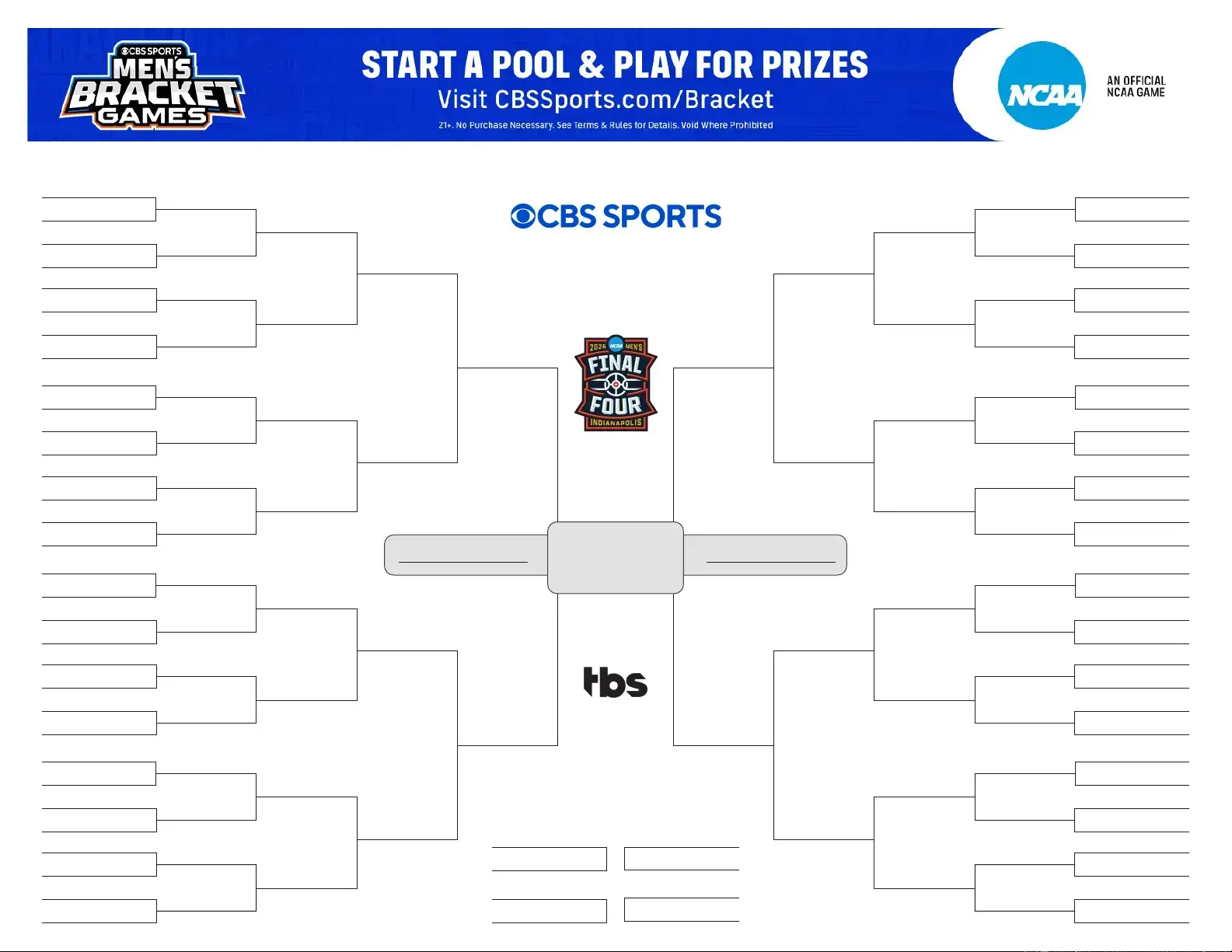
The NCAA bracket form is a structured format used to predict the outcomes of the NCAA basketball tournament. This form allows fans, analysts, and casual observers alike to engage with the excitement of March Madness by making their predictions on matchups and potential winners. Ready to test your knowledge and join the fun? Fill out the form by clicking the button below.

Article Guide

The NCAA bracket form is an essential tool for fans, analysts, and participants alike during the exciting tournament season. Each spring, college basketball enthusiasts eagerly await the unveiling of the tournament bracket, which outlines the matchups and pathways teams must navigate to claim the championship title. This form typically includes a grid that displays the competing teams, their respective seeds, and the progression of games from the first round through to the championship. Participants often engage in the time-honored tradition of filling out their brackets, predicting outcomes based on team performance, player statistics, and even gut feelings. The form also serves as a basis for various competitions, where individuals or groups can compete for bragging rights or prizes based on their predictions. By understanding the structure and purpose of the NCAA bracket form, fans can enhance their enjoyment of the tournament while participating in a beloved cultural phenomenon.

NCAA bracket Preview

2026 Men’s NCAA Bracket
First Round Second Round Sweet 16 Elite 8 Final Four Final Four Elite 8 Sweet 16 Second Round First Round
First Four
National
Championship
Indianapolis, IN
National Championship
March 28-29
March 28-29
March 26-27
March 26-27
March 21-22
March 21-22
March 19-20
March 19-20
March 17-18
April 4
April 4
April 6
April 6

File Properties

Fact Name Description
Definition The NCAA bracket form is used to organize and track predictions for the NCAA basketball tournament.
Eligibility Participants must be at least 18 years old to fill out a bracket for the tournament.
Submission Deadline Brackets typically must be submitted before the tournament begins, often by a specific date announced by the NCAA.
Scoring System Points are awarded based on the accuracy of predictions, with different point values for each round.
State Regulations Some states have specific laws governing the legality of bracket contests, often classified under gambling laws.
Privacy Concerns Participants' personal information must be protected, complying with applicable privacy laws.
Prizes Prizes for winning brackets may be subject to tax regulations, depending on the value and local laws.

Instructions on Utilizing NCAA bracket

Filling out the NCAA bracket form can be an exciting way to engage with the tournament. Once you have the form ready, you can begin the process of making your selections for each game. Follow these steps to complete the form correctly.

  1. Obtain a copy of the NCAA bracket form, either digitally or on paper.
  2. Identify the teams participating in the tournament. They will be listed in the bracket format.
  3. Start with the first matchup in the bracket. Choose the team you believe will win that game.
  4. Write or mark your chosen team in the designated area for that matchup.
  5. Move to the next matchup and repeat the selection process.
  6. Continue filling out the bracket, moving through each round until all matchups are completed.
  7. Once all teams are selected, review your choices for accuracy.
  8. Submit your completed bracket according to the instructions provided with the form.

Important Facts about NCAA bracket

What is the NCAA bracket form?

The NCAA bracket form is a tool used to track the progress of teams in the NCAA basketball tournament. It allows participants to predict the outcomes of games, from the first round to the championship. Users fill out their predictions on the bracket, which is then updated as games are played. This form is popular for both casual fans and competitive pools.

How do I fill out the NCAA bracket form?

To fill out the NCAA bracket form, start by reviewing the matchups for each round. For each game, select the team you believe will win. Continue this process until you have chosen a winner for each matchup, including the championship game. Once completed, submit your bracket according to the specific guidelines provided by the tournament organizer or the platform you are using.

Can I edit my NCAA bracket after submitting it?

Whether you can edit your NCAA bracket after submission depends on the rules set by the organizer of the bracket pool. Many pools allow changes up until the start of the tournament, while others may lock submissions once they are entered. Always check the specific rules to understand your options.

What happens if a game goes into overtime?

If a game goes into overtime, it is still considered part of the original matchup. The outcome of the game will be recorded based on the final score, including any overtime points. Therefore, your bracket predictions will remain valid, and the winner will be determined by the final score, regardless of the overtime period.

Are there prizes for participating in the NCAA bracket form?

Many organizations and pools offer prizes for participants who fill out the NCAA bracket form. Prizes can vary widely, ranging from gift cards to cash awards or even merchandise. Check with the specific pool or organization for details about any potential prizes and the criteria for winning.

Common mistakes

Filling out an NCAA bracket can be an exciting and sometimes overwhelming experience. It’s easy to get caught up in the thrill of the tournament, but many people make common mistakes that can affect their chances of success. Recognizing these pitfalls can enhance your bracket-filling strategy.

One common mistake is not researching the teams. Relying solely on rankings or past performances can lead to errors. Each tournament brings surprises, and knowing about injuries, player performance, and team dynamics can provide valuable insights. A little research can go a long way in making informed choices.

Another frequent error is overvaluing the top seeds. While top seeds often perform well, upsets are a hallmark of the NCAA tournament. Ignoring lower-seeded teams that have shown resilience or strong performance can lead to missed opportunities. Balancing your picks between favorites and potential underdogs can create a more competitive bracket.

Some people also fail to consider matchups. Not all teams perform the same against every opponent. A team may excel against certain styles of play but struggle against others. Evaluating how teams match up against each other can be a crucial factor in making your selections.

Additionally, many individuals neglect to account for momentum. Teams that enter the tournament on a winning streak often carry that energy into their games. Conversely, a team that limps into the tournament may lack the confidence needed to advance. Keeping an eye on recent performances can help you gauge which teams might outperform expectations.

Another mistake is not filling out the bracket with a strategy in mind. Some people choose teams based on personal biases or favorite schools, while others may simply flip a coin. Establishing a clear strategy—whether it’s focusing on historical data, team strengths, or even just gut feelings—can lead to a more cohesive and thought-out bracket.

Failing to update brackets after the first round can also be detrimental. If you’re participating in a multi-round challenge, ensure that you adjust your picks based on the outcomes of the earlier games. This adaptability can be key to staying competitive as the tournament progresses.

Lastly, many overlook the importance of enjoying the process. Filling out a bracket should be fun! Getting too caught up in the competition can lead to stress and poor decision-making. Embrace the excitement of the tournament, and remember that every game brings the potential for surprises.

By avoiding these common mistakes, you can enhance your bracket-filling experience and possibly improve your chances of success. Happy bracketing!

Documents used along the form

The NCAA bracket form is a popular document used during college basketball tournaments, allowing fans to predict the outcomes of games. However, there are several other forms and documents that often accompany it, each serving a specific purpose. Below is a list of these documents, which can enhance your experience during the tournament.

  • Score Sheet: This document helps track the scores of each game throughout the tournament. It provides a clear overview of how teams are performing and can be used to update brackets accordingly.
  • Participant Registration Form: This form is used to register individuals or teams for a bracket challenge. It typically collects information such as names, contact details, and sometimes entry fees.
  • Rules and Regulations Document: This outlines the guidelines for participating in the bracket challenge. It includes details on scoring, deadlines, and eligibility criteria, ensuring all participants understand the framework of the competition.
  • Prizes and Awards List: This document details the prizes that will be awarded to winners of the bracket challenge. It may include descriptions of items or experiences, motivating participants to engage fully.
  • Game Schedule: This provides a timeline of all the games in the tournament. Knowing when each game is played helps participants stay updated and adjust their brackets as needed.
  • Feedback Form: After the tournament concludes, this form allows participants to share their thoughts and experiences. Gathering feedback can help improve future events and ensure a better experience for everyone involved.

By utilizing these additional documents alongside the NCAA bracket form, participants can enhance their engagement with the tournament. Each document plays a vital role in ensuring a smooth and enjoyable experience for all involved.

Similar forms

The NCAA bracket form has similarities with various other documents. Here are ten documents that share characteristics with the NCAA bracket form:

  • Fantasy Sports Draft Sheet: Like the NCAA bracket, this document allows participants to select teams or players and track their performance throughout a season.
  • Competition Entry Form: This form collects information from participants entering a contest, similar to how the bracket collects team selections for a tournament.
  • Event Registration Form: Both documents require individuals to indicate their choices and preferences, whether for a tournament or an event.
  • Score Sheet: A score sheet records the outcomes of games or matches, much like how a bracket tracks the progress of teams through rounds.
  • Survey Response Form: Participants provide selections or opinions, similar to how they fill out a bracket with their predictions.
  • Voting Ballot: A ballot allows individuals to choose candidates or options, akin to selecting teams in a bracket format.
  • Contest Submission Form: This document is used for submitting entries in a competition, paralleling the submission of bracket predictions.
  • Player Stats Sheet: This sheet tracks individual player performance, similar to how brackets track team performance throughout a tournament.
  • Game Schedule: A game schedule outlines matchups and times, much like a bracket shows which teams will compete against each other.
  • Registration Form for Tournaments: This form gathers participant information and preferences, just as the bracket collects team choices for the tournament.

Dos and Don'ts

When filling out your NCAA bracket, keep these important tips in mind:

  • Do research team statistics and player performance before making your selections.
  • Don't solely rely on rankings; upsets happen every year.
  • Do consider each team's path to the Final Four.
  • Don't forget to factor in injuries and team dynamics.
  • Do trust your instincts; sometimes gut feelings lead to great picks.
  • Don't fill out your bracket in a rush; take your time to analyze.
  • Do pay attention to historical trends and past tournament performances.
  • Don't pick your alma mater just because of loyalty; be objective.
  • Do have fun with the process; it’s about enjoyment and competition.
  • Don't forget to check the deadline for submitting your bracket.

Misconceptions

The NCAA bracket form is a popular way for fans to engage with college basketball tournaments. However, there are several misconceptions that often lead to confusion. Here are four common misunderstandings:

  1. Everyone Can Win the Same Prize: Many believe that if they fill out the bracket correctly, they will all win the same prize. In reality, prizes are often awarded based on individual performance, and only the top entries receive rewards.
  2. It’s Only for Experts: Some think that only basketball experts can successfully fill out a bracket. In truth, anyone can participate! A little research and intuition can go a long way in making predictions.
  3. All Games Are Equal: A common belief is that every game in the tournament is equally important. However, some games, especially early rounds, may have different impacts on overall standings and scoring.
  4. Brackets Can’t Be Changed: Many people assume that once a bracket is submitted, it cannot be altered. While it’s true that some contests lock brackets after submission, many allow changes until the tournament begins.

Understanding these misconceptions can enhance your experience and enjoyment of filling out an NCAA bracket. Dive in, have fun, and may the best predictions win!

Key takeaways

Filling out an NCAA bracket can be an exciting and engaging experience, especially during March Madness. Here are some key takeaways to keep in mind:

  • Understand the Format: Familiarize yourself with the structure of the bracket. It typically consists of four regions, each leading to a final champion. Knowing how teams progress through the rounds is crucial.
  • Research Teams: Take time to look into team performance, player statistics, and any injuries. This information can greatly influence your predictions and enhance your chances of making accurate selections.
  • Consider Upsets: Every tournament has surprises. While it's tempting to pick all higher-seeded teams, upsets are common. Balance your selections with a few bold choices.
  • Stay Within the Rules: If you are participating in a pool or competition, make sure you understand the rules regarding scoring and submission deadlines. Each pool may have different criteria for scoring points.
  • Enjoy the Process: Remember, filling out a bracket should be fun. Engage with friends or family, share your picks, and enjoy the games. Win or lose, the experience can be rewarding.

By keeping these points in mind, you can enhance your enjoyment and participation in the NCAA tournament.