Refrigerator Temperature Log PDF Template

Refrigerator Temperature Log PDF Template

The Refrigerator Temperature Log form serves as a crucial tool for monitoring and documenting the temperatures of refrigerators used to store vaccines. This log helps ensure that vaccines remain within the recommended storage range, thereby maintaining their efficacy and safety. For effective vaccine management, it is essential to fill out this form accurately; please click the button below to access and complete the log.

Article Guide

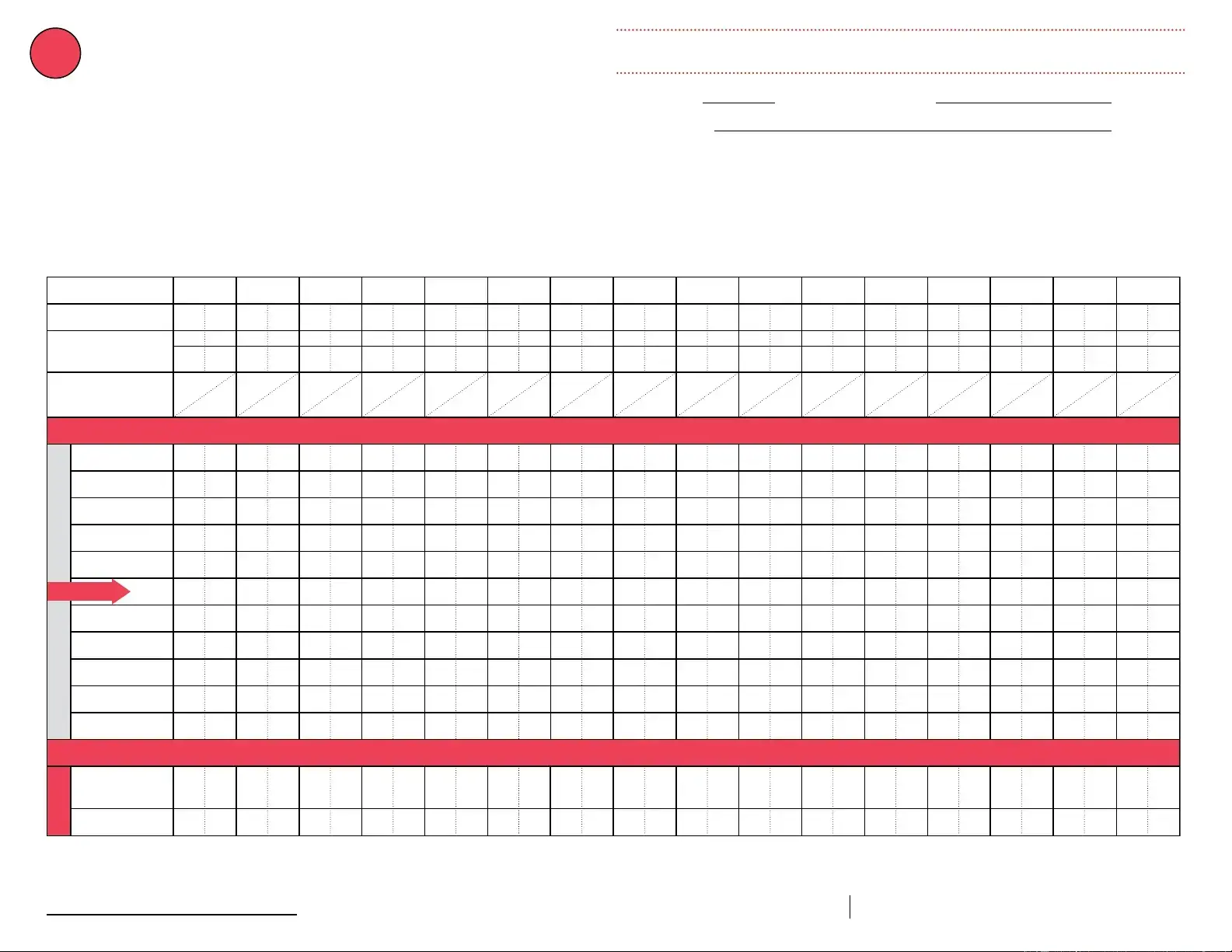
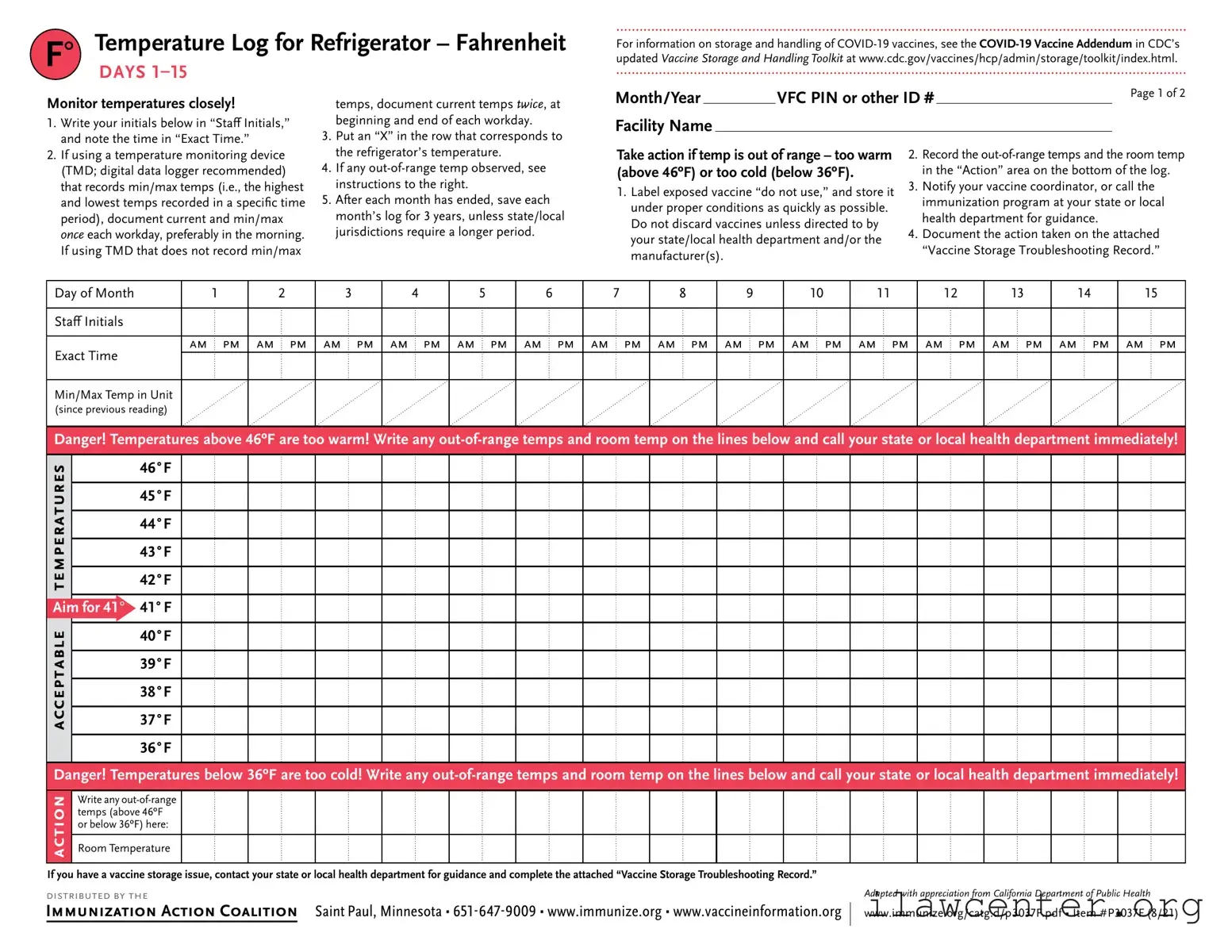
The Refrigerator Temperature Log form is a critical tool for healthcare facilities that handle vaccines, particularly in the context of the ongoing COVID-19 pandemic. This form serves as a systematic way to monitor and document the temperature of refrigerators used for vaccine storage. It spans a 31-day period, divided into two sections for ease of use. Each day, staff members are required to record the current temperature, along with minimum and maximum readings, ensuring that the refrigerator maintains an acceptable range of 36°F to 46°F. Should temperatures fall outside this range, immediate actions must be taken, including labeling affected vaccines as "do not use" and notifying the appropriate health authorities. The form also emphasizes the importance of saving logs for three years, adhering to state or local regulations. By following the guidelines outlined in the log, healthcare providers can help safeguard the integrity of vaccines, ensuring they remain effective and safe for patient use.

Refrigerator Temperature Log Preview

Day of Month 1 2 3 4 5 6 7 8 9 10 11 12 13 14 15
Staff Initials
Exact Time
Min/Max Temp in Unit
(since previous reading)
Danger! Temperatures above 46ºF are too warm! Write any out-of-range temps and room temp on the lines below and call your state or local health department immediately!
46
˚
F
45
˚
F
44
˚
F
43
˚
F
42
˚
F
41
˚
F
40
˚
F
39
˚
F
38
˚
F
37
˚
F
36
˚
F
Danger! Temperatures below 36ºF are too cold! Write any out-of-range temps and room temp on the lines below and call your state or local health department immediately!
Write any out-of-range
temps (above 46ºF
or below 36ºF) here:
Room Temperature
am pm am pm am pm am pm am pm am pm am pm am pm am pm am pm am pm am pm am pm am pm am pm
acceptable temperatures
action
Aim for 41
º
If you have a vaccine storage issue, contact your state or local health department for guidance and complete the attached “Vaccine Storage Troubleshooting Record.
Page 1 of 2
Monitor temperatures closely!
1.Writeyourinitialsbelowin“StaInitials,”
andnotethetimein“ExactTime.”
2.Ifusingatemperaturemonitoringdevice
(TMD; digital data logger recommended)
thatrecordsmin/maxtemps(i.e.,thehighest
andlowesttempsrecordedinaspecictime
period),documentcurrentandmin/max
onceeachworkday,preferablyinthemorning.
IfusingTMDthatdoesnotrecordmin/max
temps,documentcurrenttemps twice,at
beginning and end of each workday.
3.Putan“X”intherowthatcorrespondsto
therefrigerator’stemperature.
4.Ifanyout-of-rangetempobserved,see
instructions to the right.
5.Aftereachmonthhasended,saveeach
month’slogfor3years,unlessstate/local
jurisdictionsrequirealongerperiod.
Take action if temp is out of range – too warm
(above 46ºF) or too cold (below 36ºF).
1.Labelexposedvaccine“donotuse,”andstoreit
underproperconditionsasquicklyaspossible.
Donotdiscardvaccinesunlessdirectedtoby
yourstate/localhealthdepartmentand/orthe
manufacturer(s).
2.
Recordtheout-of-rangetempsandtheroomtemp
inthe“Action”areaonthebottomofthelog.
3.Notifyyourvaccinecoordinator,orcallthe
immunizationprogramatyourstateorlocal
healthdepartmentforguidance.
4. Document the action taken on the attached
“VaccineStorageTroubleshootingRecord.”
Month
/
Year VFC PIN or other ID #
Facility Name
ForinformationonstorageandhandlingofCOVID-19vaccines,seetheCOVID-19 Vaccine Addendum in CDC’s
updatedVaccine Storage and Handling Toolkitatwww.cdc.gov/vaccines/hcp/admin/storage/toolkit/index.html.
Temperature Log for Refrigerator – Fahrenheit
DAYS 1
15
F
°
Adapted with appreciation from California Department of Public Health
distributed by the
Immunization Action Coalition
Saint Paul, Minnesota
651
-
647
-
9009
www.immunize.org
www.vaccineinformation.org
www.immunize.org/catg.d/p3037F.pdfItem#P3037F (8/21)
Page 2 of 2
If you have a vaccine storage issue, contact your state or local health department for guidance and complete the attached “Vaccine Storage Troubleshooting Record.
Day of Month
Staff Initials
Exact Time
Min/Max Temp in Unit
(since previous reading)
46
˚
F
45
˚
F
44
˚
F
43
˚
F
42
˚
F
41
˚
F
40
˚
F
39
˚
F
38
˚
F
37
˚
F
36
˚
F
Write any out-of-range
temps (above 46ºF
or below 36ºF) here:
Room Temperature
am pm am pm am pm am pm am pm am pm am pm am pm am pm am pm am pm am pm am pm am pm am pmam pm
acceptable temperatures
action
Aim for 41
º
16 17 18 19 20 21 22 23 24 25 26 27 28 29 30 31
Danger! Temperatures above 46ºF are too warm! Write any out-of-range temps and room temp on the lines below and call your state or local health department immediately!
Danger! Temperatures below 36ºF are too cold! Write any out-of-range temps and room temp on the lines below and call your state or local health department immediately!
Monitor temperatures closely!
1.Writeyourinitialsbelowin“StaInitials,”
andnotethetimein“ExactTime.”
2.Ifusingatemperaturemonitoringdevice
(TMD; digital data logger recommended)
thatrecordsmin/maxtemps(i.e.,thehighest
andlowesttempsrecordedinaspecictime
period),documentcurrentandmin/max
onceeachworkday,preferablyinthemorning.
IfusingTMDthatdoesnotrecordmin/max
temps,documentcurrenttemps twice,at
beginning and end of each workday.
3.Putan“X”intherowthatcorrespondsto
therefrigerator’stemperature.
4.Ifanyout-of-rangetempobserved,see
instructions to the right.
5.Aftereachmonthhasended,saveeach
month’slogfor3years,unlessstate/local
jurisdictionsrequirealongerperiod.
Take action if temp is out of range – too warm
(above 46ºF) or too cold (below 36ºF).
1.Labelexposedvaccine“donotuse,”andstoreit
underproperconditionsasquicklyaspossible.
Donotdiscardvaccinesunlessdirectedtoby
yourstate/localhealthdepartmentand/orthe
manufacturer(s).
2.
Recordtheout-of-rangetempsandtheroomtemp
inthe“Action”areaonthebottomofthelog.
3.Notifyyourvaccinecoordinator,orcallthe
immunizationprogramatyourstateorlocal
healthdepartmentforguidance.
4. Document the action taken on the attached
“VaccineStorageTroubleshootingRecord.”
Month
/
Year VFC PIN or other ID #
Facility Name
ForinformationonstorageandhandlingofCOVID-19vaccines,seetheCOVID-19 Vaccine Addendum in CDC’s
updatedVaccine Storage and Handling Toolkitatwww.cdc.gov/vaccines/hcp/admin/storage/toolkit/index.html.
Temperature Log for Refrigerator – Fahrenheit
D AYS 16 31
F
°
Adapted with appreciation from California Department of Public Health
distributed by the
Immunization Action Coalition
Saint Paul, Minnesota
651
-
647
-
9009
www.immunize.org
www.vaccineinformation.org
www.immunize.org/catg.d/p3037F.pdfItem#P3037F (8/21)
Immunization Action Coalition
Saint Paul, Minnesota
651
-
647
-
9009
www.immunize.org
www.vaccineinformation.org
Date & Time of Event
If multiple, related events occurred,
see Description of Event below.
Storage Unit Temperature
at the time the problem was discovered
Room Temperature
at the time the problem was discovered
Person Completing Report
Date: Temp when discovered: Temp when discovered: Name:
Time: Minimum temp: Maximum temp: Comment (optional): Title: Date:
Description of Event (If multiple, related events occurred, list each date, time, and length of time out of storage.)
General description (i.e., what happened?)
Estimated length of time between event and last documented reading of storage temperature in acceptable range (2
o
to 8
o
C [36
o
to 46
o
F] for refrigerator; -50
o
to -15
o
C [-58º to 5ºF] for freezer; -80
o
to -60
o
C [-112º to -76ºF]
for ultra-cold freezer (may be used for Pzer COVID-19 vaccine).
Inventory of aected vaccines, including (1) lot #s and (2) whether purchased with public (for example, VFC) or private funds (Use separate sheet if needed, but maintain the inventory with this troubleshooting record.)
At the time of the event, what else was in the storage unit? For example, were there water bottles in the refrigerator and/or frozen coolant packs in the freezer?
Prior to this event, have there been any storage problems with this unit and/or with the aected vaccine?
Include any other information you feel might be relevant to understanding the event.
Action Taken (Document thoroughly. This information is critical to determining whether the vaccine might still be viable!)
When were the aected vaccines placed in proper storage conditions? (Note: Do not discard the vaccine. Store exposed vaccine in proper conditions and label it “do not use” until after you can discuss with your state/
local health department and/or the manufacturer[s].)
Who was contacted regarding the incident? (For example, supervisor, state/local health department, manufacturer—list all.)
IMPORTANT: What did you do to prevent a similar problem from occurring in the future?
Results
What happened to the vaccine? Was it able to be used? If not, was it returned to the distributor? (Note: For public-purchase vaccine, follow your state/local health department instructions for vaccine disposition.)
Vaccine Storage Troubleshooting Record
(check one) □Refrigerator □Freezer □Ultra-Cold Freezer
Use this form to document any unacceptable vaccine storage event,
such as exposure of refrigerated vaccines to temperatures that are
outside the manufacturers’ recommended storage ranges.
distributed by the
Immunization Action Coalition
Saint Paul, Minnesota
651
-
647
-
9009
www.immunize.org
www.vaccineinformation.org
www.immunize.org/catg.d/p3041.pdf Item#P3041(8/21)
A llable pdf of this form is
availableatwww.immunize.
org/catg.d/p3041.pdf
Date & Time of Event
If multiple, related events occurred,
see Description of Event below.
Storage Unit Temperature
at the time the problem was discovered
Room Temperature
at the time the problem was discovered
Person Completing Report
Date: Temp when discovered: 45º F Temp when discovered: º F Name: 
Time: Minimum temp: 38º F Maximum temp: 53º F Comment (optional) Title:  Date: 6/29/21
Description of Event (If multiple, related events occurred, list each date, time, and length of time out of storage.)
General description (i.e., what happened?)
Estimated length of time between event and last documented reading of storage temperature in acceptable range (2
o
to 8
o
C [36
o
to 46
o
F] for refrigerator; -50
o
to -15
o
C [-58º to 5ºF] for freezer; -80
o
to -60
o
C [-112º to -76ºF]
for ultra-cold freezer (Pzer COVID-19 vaccine only)
Inventory of aected vaccines, including (1) lot #s and (2) whether purchased with public (for example, VFC) or private funds (Use separate sheet if needed, but maintain the inventory with this troubleshooting record.)
At the time of the event, what else was in the storage unit? For example, were there water bottles in the refrigerator and/or frozen coolant packs in the freezer?
Prior to this event, have there been any storage problems with this unit and/or with the aected vaccine?
Include any other information you feel might be relevant to understanding the event.
Results
What happened to the vaccine? Was it able to be used? If not, was it returned to the distributor? (Note: For public-purchase vaccine, follow your state/local health department instructions for vaccine disposition.)
 


distributed by the
Immunization Action Coalition
Saint Paul, Minnesota
651
-
647
-
9009
www.immunize.org
www.vaccineinformation.org
www.immunize.org/catg.d/p3041.pdf Item#P3041(8/21)
Example

°°° & 53°

°



º






Action Taken (Document thoroughly. This information is critical to determining whether the vaccine might still be viable!)
When were the aected vaccines placed in proper storage conditions? (Note: Do not discard the vaccine. Store exposed vaccine in proper conditions and label it “do not use” until after you can discuss with your state/
local health department and/or the manufacturer[s].)
Who was contacted regarding the incident? (For example, supervisor, state/local health department, manufacturer—list all.)
IMPORTANT: What did you do to prevent a similar problem from occurring in the future?
Vaccine Storage Troubleshooting Record (check one)
Refrigerator
Freezer
Ultra-Cold Freezer
Use this form to document any unacceptable vaccine storage event, such as exposure of refrigerated vaccines to temperatures that are outside the manufacturers' recommended storage ranges.
Immunization Action Coalition
Saint Paul, Minnesota
651
-
647
-
9009
www.immunize.org
www.vaccineinformation.org
Date & Time of Event
If multiple, related events occurred,
see Description of Event below.
Storage Unit Temperature
at the time the problem was discovered
Room Temperature
at the time the problem was discovered
Person Completing Report
Date: Temp when discovered: 28º F Temp when discovered: º F Name: 
Time: Minimum temp: 28º F Maximum temp: 42º F Comment (optional) Title:  Date: 
Description of Event (If multiple, related events occurred, list each date, time, and length of time out of storage.)
General description (i.e., what happened?)
Estimated length of time between event and last documented reading of storage temperature in acceptable range (2
o
to 8
o
C [36
o
to 46
o
F] for refrigerator; -50
o
to -15
o
C [-58º to 5ºF] for freezer; -80
o
to -60
o
C [-112º to -76ºF]
for ultra-cold freezer (Pzer COVID-19 vaccine only)
Inventory of aected vaccines, including (1) lot #s and (2) whether purchased with public (for example, VFC) or private funds (Use separate sheet if needed, but maintain the inventory with this troubleshooting record.)
At the time of the event, what else was in the storage unit? For example, were there water bottles in the refrigerator and/or frozen coolant packs in the freezer?
Prior to this event, have there been any storage problems with this unit and/or with the aected vaccine?
Include any other information you feel might be relevant to understanding the event.
Results
What happened to the vaccine? Was it able to be used? If not, was it returned to the distributor? (Note: For public-purchase vaccine, follow your state/local health department instructions for vaccine disposition.)
ºº


º
 


distributed by the
Immunization Action Coalition
Saint Paul, Minnesota
651
-
647
-
9009
www.immunize.org
www.vaccineinformation.org
www.immunize.org/catg.d/p3041.pdf Item#P3041(8/21)
Example
º
 º
ºººF




º
 



 
Action Taken (Document thoroughly. This information is critical to determining whether the vaccine might still be viable!)
When were the aected vaccines placed in proper storage conditions? (Note: Do not discard the vaccine. Store exposed vaccine in proper conditions and label it “do not use” until after you can discuss with your state/
local health department and/or the manufacturer[s].)
Who was contacted regarding the incident? (For example, supervisor, state/local health department, manufacturer—list all.)
IMPORTANT: What did you do to prevent a similar problem from occurring in the future?
Vaccine Storage Troubleshooting Record (check one)
Refrigerator
Freezer
Ultra-Cold Freezer
Use this form to document any unacceptable vaccine storage event, such as exposure of refrigerated vaccines to temperatures that are outside the manufacturers' recommended storage ranges.

File Properties

Fact Name Description
Purpose The Refrigerator Temperature Log form is designed to document the temperatures of refrigerators storing vaccines, ensuring that they remain within acceptable ranges for efficacy.
Temperature Range Vaccines should be stored at temperatures between 36°F and 46°F. Temperatures outside this range can compromise vaccine effectiveness.
Monitoring Frequency Users are required to monitor and record the refrigerator temperatures twice daily, ideally in the morning and at the end of the workday.
Action for Out-of-Range Temperatures If temperatures exceed 46°F or drop below 36°F, vaccines must be labeled as "do not use" and stored properly while awaiting further guidance from health authorities.
Record Retention Logs must be retained for a minimum of three years, although state or local regulations may require a longer retention period.
Staff Responsibilities Staff members must initial each entry and document the exact time of temperature readings, ensuring accountability and traceability.
Temperature Monitoring Devices It is recommended to use a digital data logger that records minimum and maximum temperatures. If such a device is unavailable, users must manually record temperatures at the beginning and end of each workday.
Governing Laws Various state laws govern vaccine storage; for example, California's Health and Safety Code Section 120325 outlines requirements for vaccine handling and storage.
Emergency Contacts In case of temperature excursions, facilities must contact their state or local health department for guidance and document all actions taken in response.

Instructions on Utilizing Refrigerator Temperature Log

Filling out the Refrigerator Temperature Log form is essential for maintaining the safety and efficacy of vaccines. This process involves recording temperatures accurately to ensure that they remain within acceptable ranges. It is important to monitor these temperatures regularly, as any deviations can have serious implications for vaccine storage and patient health.

  1. Begin by writing your initials in the “Staff Initials” section. Next, note the exact time in the “Exact Time” field.
  2. If you are using a temperature monitoring device (TMD), document the current temperature along with the minimum and maximum temperatures recorded since the last reading. This should be done once each workday, ideally in the morning.
  3. Mark an “X” in the row that corresponds to the refrigerator’s temperature on the log.
  4. If you observe any out-of-range temperatures, follow the instructions provided on the right side of the form.
  5. At the end of each month, save the completed log for three years, unless your local or state regulations require a longer retention period.

By following these steps, you ensure that vaccine storage conditions are properly documented and maintained. This diligence not only protects the integrity of the vaccines but also supports public health efforts in your community.

Important Facts about Refrigerator Temperature Log

What is the purpose of the Refrigerator Temperature Log form?

The Refrigerator Temperature Log form is designed to help facilities monitor and record the temperatures of refrigerators used for storing vaccines. Accurate temperature monitoring is essential to ensure that vaccines remain effective and safe for use. This log allows staff to document temperature readings, identify any out-of-range temperatures, and take appropriate actions if necessary.

How often should temperatures be recorded on the log?

Temperatures should be recorded twice each workday, preferably in the morning. If using a temperature monitoring device that records minimum and maximum temperatures, staff should document the current temperature and the min/max readings once each workday. If the device does not record min/max, readings should be taken at the beginning and end of each workday.

What actions should be taken if the temperature is out of range?

If the temperature is above 46ºF or below 36ºF, immediate action is required. Staff should label any exposed vaccines as "do not use" and store them under proper conditions as quickly as possible. It is crucial not to discard vaccines unless instructed by the state or local health department. Staff must also record the out-of-range temperatures and notify the vaccine coordinator or local health department for further guidance.

How long should temperature logs be retained?

Each month's log should be saved for a minimum of three years. However, state or local jurisdictions may have different requirements, so it is important to check for any specific regulations that may apply.

What should be included in the "Action" area of the log?

The "Action" area should include any out-of-range temperatures recorded, as well as the room temperature at the time of the incident. Staff should also document any actions taken in response to the temperature excursions, such as notifying the vaccine coordinator or contacting the local health department for guidance.

What should be done if there is a vaccine storage issue?

In the event of a vaccine storage issue, staff should contact the state or local health department for guidance. Additionally, the attached "Vaccine Storage Troubleshooting Record" should be completed to document the incident thoroughly, including details about the affected vaccines and actions taken to resolve the issue.

Who is responsible for completing the Refrigerator Temperature Log?

Staff members responsible for monitoring vaccine storage are required to complete the Refrigerator Temperature Log. This may include nurses, vaccine coordinators, or other designated personnel. Each entry must include the initials of the staff member recording the temperature and the exact time of the reading.

Common mistakes

When filling out the Refrigerator Temperature Log form, individuals often make several common mistakes that can lead to serious consequences. One frequent error is failing to document the temperature readings at the specified times. The form requires that temperatures be recorded twice daily, ideally in the morning. If this step is overlooked, it can result in a lack of accurate data, which is crucial for maintaining vaccine efficacy.

Another mistake is neglecting to use the correct units of measurement. The log is designed for Fahrenheit readings, and entering temperatures in Celsius can create confusion and misinterpretation. This simple oversight can lead to improper storage conditions, potentially compromising the vaccines stored within.

Additionally, some individuals forget to initial the log after recording temperatures. This step is essential for accountability and tracking who monitored the refrigerator. Without initials, it becomes difficult to identify responsible parties in case of discrepancies or issues that arise later.

Many users also misinterpret the instructions for marking out-of-range temperatures. If temperatures exceed 46°F or drop below 36°F, it is crucial to take immediate action as outlined in the form. Failing to follow these guidelines can lead to improper handling of vaccines, which may result in their loss.

Another common error involves not saving the logs for the required three years. Many individuals assume that once the month is complete, the logs can be discarded. However, maintaining these records is vital for compliance with state and local regulations, and for any future audits.

Some people also mistakenly believe that they can discard vaccines that have been exposed to out-of-range temperatures. This action should only be taken after consulting with state or local health departments. Proper labeling and storage of these vaccines are critical until further guidance is received.

Finally, users may overlook the importance of notifying the vaccine coordinator promptly when issues arise. Delays in communication can hinder the response time to potential vaccine spoilage, leading to significant public health risks. Timely reporting ensures that corrective measures can be implemented swiftly to protect vaccine integrity.

Documents used along the form

The Refrigerator Temperature Log form is an essential document for monitoring the storage conditions of vaccines. However, it is often accompanied by several other forms and documents that help ensure proper vaccine management and compliance with health regulations. Below is a list of these documents, each described briefly to highlight its purpose and importance.

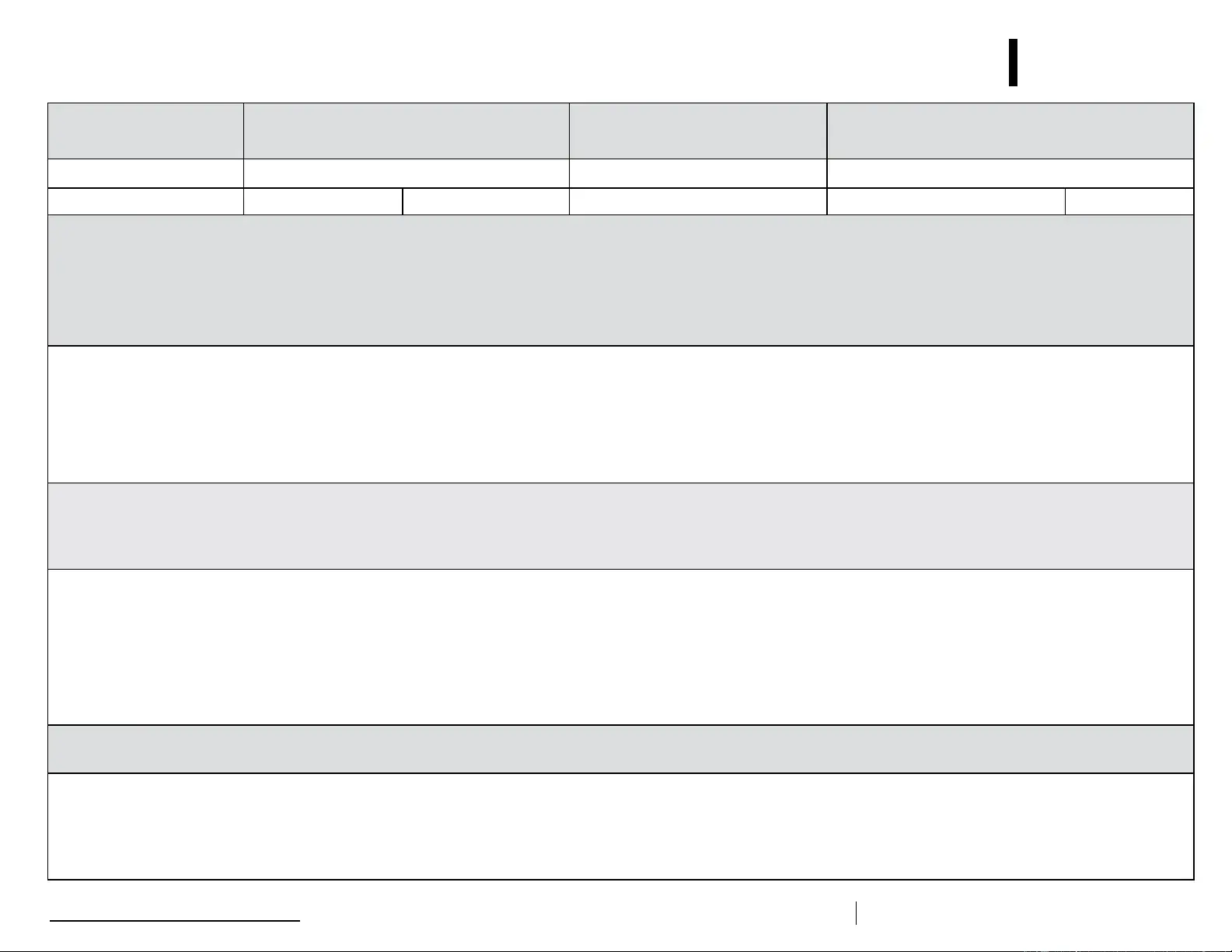
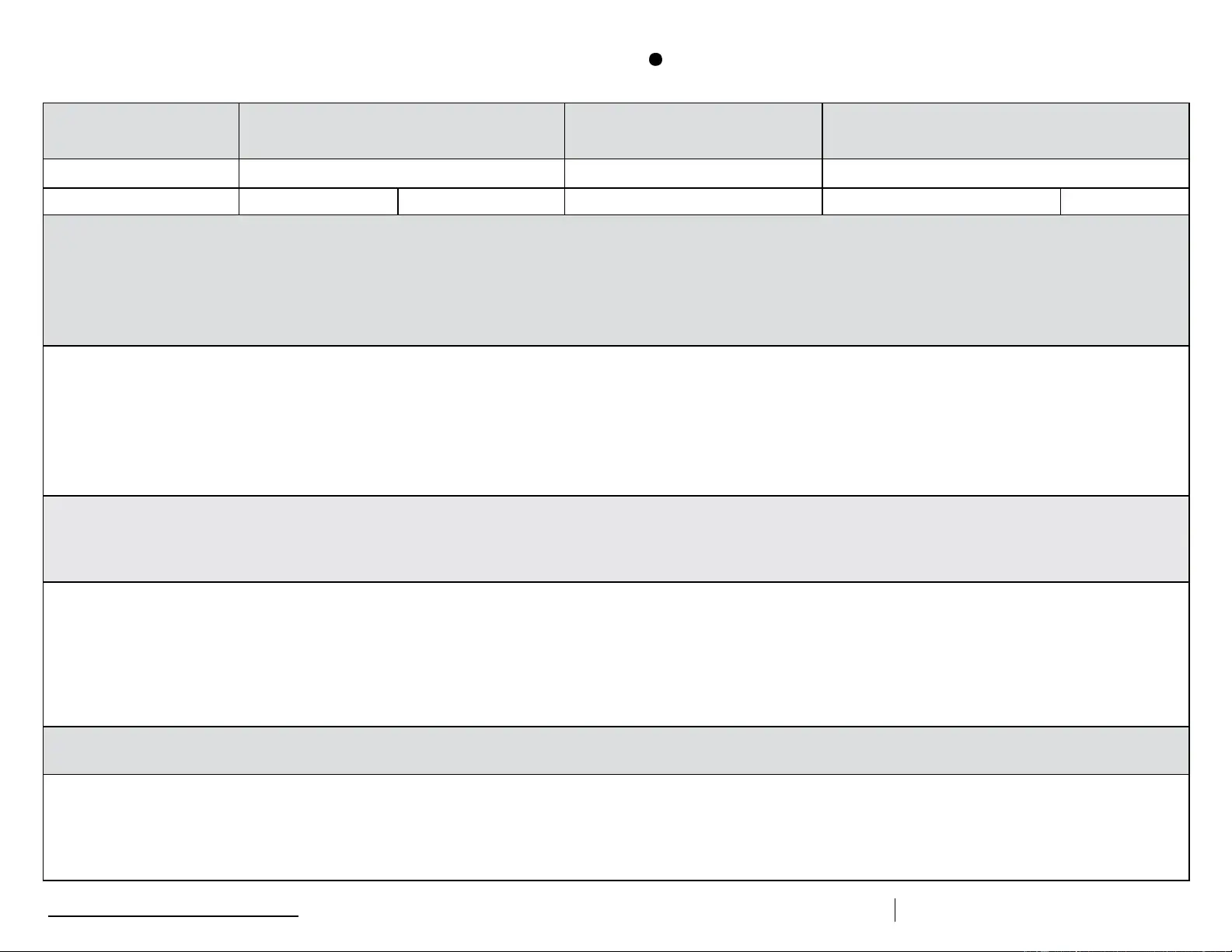
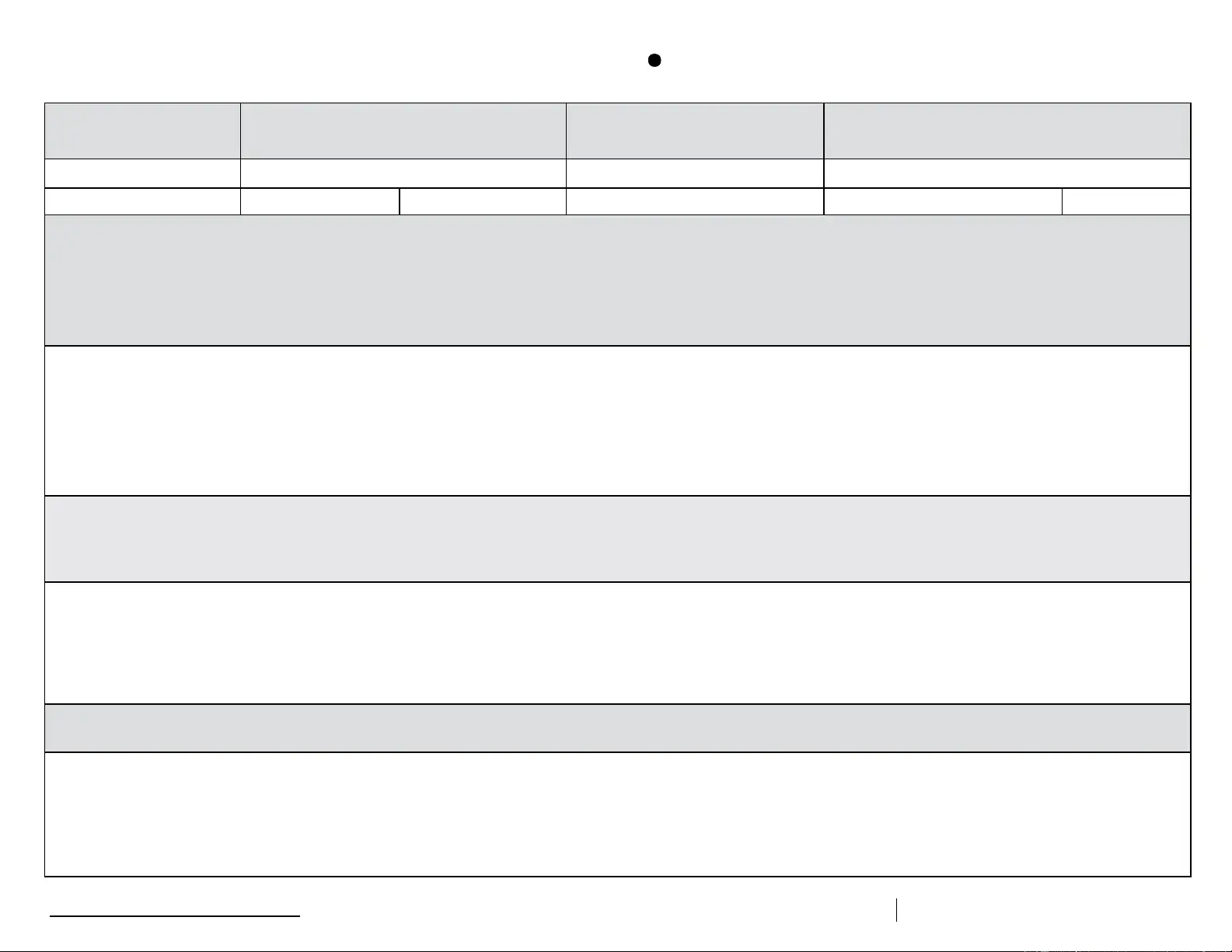
  • Vaccine Storage Troubleshooting Record: This form is used to document any incidents where vaccines are exposed to unacceptable storage temperatures. It captures essential details such as the time of the event, temperatures recorded, and actions taken to resolve the issue.
  • Temperature Monitoring Device Calibration Log: This log tracks the calibration of temperature monitoring devices used in vaccine storage. It ensures that these devices are functioning correctly and provides a record of any adjustments made over time.
  • Vaccine Inventory Log: This document maintains a record of all vaccines in stock, including lot numbers and expiration dates. It assists in tracking the quantity of vaccines available and helps manage reordering processes.
  • Incident Report Form: This form is used to report any unusual incidents related to vaccine storage, such as power outages or equipment failures. It provides a structured way to document what occurred and the steps taken in response.
  • Staff Training Records: These records detail the training sessions completed by staff members regarding vaccine storage and handling procedures. They ensure that all personnel are adequately trained to maintain vaccine safety.
  • Temperature Monitoring Device Usage Log: This log tracks the daily use of temperature monitoring devices. It includes details such as the date, time, and temperature readings, ensuring consistent monitoring practices.
  • Vaccine Disposal Record: This document records any vaccines that have been disposed of due to temperature excursions or other issues. It helps maintain compliance with health regulations regarding vaccine disposal.
  • Emergency Action Plan: This plan outlines the steps to take in case of a temperature excursion or equipment failure. It serves as a guide for staff to follow, ensuring a swift and effective response.
  • Monthly Review Checklist: This checklist is used to review all temperature logs and related documents at the end of each month. It ensures that all records are complete and compliant with health guidelines.

These forms and documents work together to create a comprehensive system for monitoring vaccine storage conditions. By maintaining accurate records and following established procedures, facilities can ensure the safety and efficacy of the vaccines they provide.

Similar forms

  • Temperature Monitoring Log: Similar to the Refrigerator Temperature Log, this document is used to record temperatures of various storage units, such as freezers or incubators. It typically requires daily entries and may include guidelines for corrective actions if temperatures fall outside acceptable ranges.
  • Vaccine Storage Troubleshooting Record: This form documents any incidents where vaccines were exposed to unacceptable storage conditions. It includes sections for describing the event, actions taken, and outcomes, mirroring the emphasis on tracking temperature excursions found in the Refrigerator Temperature Log.
  • Inventory Management Log: Like the Refrigerator Temperature Log, this document tracks the status of items, including vaccines. It often requires regular updates and may include details about storage conditions, expiration dates, and any incidents affecting the inventory.
  • Daily Operations Checklist: This checklist serves as a guide for daily tasks, including temperature monitoring and equipment checks. It is similar in its systematic approach to ensuring compliance with storage protocols, much like the Refrigerator Temperature Log's structured temperature documentation.

Dos and Don'ts

When filling out the Refrigerator Temperature Log form, attention to detail is crucial. Below is a list of actions to take and avoid for accurate and effective documentation.

  • Do write your initials and the exact time of each reading in the designated areas.
  • Do use a temperature monitoring device that records minimum and maximum temperatures.
  • Do document the current temperature and min/max temperatures at least once each workday.
  • Do place an “X” in the appropriate row that reflects the refrigerator’s temperature.
  • Do save each month’s log for three years, or longer if required by local regulations.
  • Don't ignore out-of-range temperatures; take immediate action if temperatures exceed 46ºF or fall below 36ºF.
  • Don't discard any vaccines without consulting your state or local health department first.

Misconceptions

  • Misconception 1: The Refrigerator Temperature Log is only for vaccines.
  • While the log is crucial for monitoring vaccine storage, it also ensures that any perishable items stored in the refrigerator are kept at safe temperatures. This helps maintain the integrity of all stored items.

  • Misconception 2: It is acceptable to check temperatures only once a day.
  • In fact, temperatures should be documented twice each workday. This ensures that any fluctuations are caught early and appropriate actions can be taken.

  • Misconception 3: Any temperature above 36°F is acceptable.
  • Temperatures above 46°F are considered too warm, while those below 36°F are too cold. Both conditions can compromise the safety of stored vaccines.

  • Misconception 4: There is no need to report minor temperature excursions.
  • All out-of-range temperatures must be recorded and reported. Even minor excursions can have significant implications for vaccine viability.

  • Misconception 5: The log can be discarded after a month.
  • Each month’s log must be saved for three years, or longer if state or local regulations require it. This documentation is essential for compliance and accountability.

  • Misconception 6: Only one person needs to monitor the temperatures.
  • It is important for multiple staff members to be aware of the monitoring process. This helps ensure that if one person is unavailable, others can still maintain proper oversight.

  • Misconception 7: The temperature monitoring device can be placed anywhere in the refrigerator.
  • The temperature monitoring device should be placed in a location that accurately reflects the temperature of the vaccines, typically in the center of the refrigerator, away from walls and doors.

  • Misconception 8: If the temperature is out of range, vaccines can be immediately discarded.
  • Vaccines should not be discarded unless directed by health authorities. Proper procedures must be followed to assess their viability before making any decisions.

  • Misconception 9: The log is not necessary if the refrigerator appears to be functioning well.
  • Regular logging is essential, even if the refrigerator seems to be working properly. Unforeseen issues can arise, making consistent monitoring critical for safety.

Key takeaways

  • Complete the Refrigerator Temperature Log form daily to ensure accurate monitoring of vaccine storage conditions.

  • Document temperatures twice each workday, ideally in the morning, using a temperature monitoring device that records minimum and maximum temperatures.

  • Mark an “X” in the appropriate row to indicate the refrigerator's temperature, ensuring that it stays within the acceptable range of 36°F to 46°F.

  • If temperatures fall outside the acceptable range, take immediate action as outlined in the form, including labeling exposed vaccines as “do not use.”

  • Retain completed logs for a minimum of three years, or longer if required by state or local regulations.