Roof Inspection PDF Template

Roof Inspection PDF Template

The Residential Roof Inspection Form is a crucial document designed to assess the condition of a roof and ensure its longevity. This form collects essential details about the structure, previous maintenance, and current roof conditions, helping homeowners and contractors identify necessary repairs or maintenance. For a thorough evaluation, consider filling out the form by clicking the button below.

Article Guide

Maintaining the integrity of a roof is essential for any residential structure, and the Roof Inspection Form serves as a vital tool in this process. This comprehensive document captures crucial information about the roof's condition, including the inspection date, the inspector's details, and the structure's specific attributes. It prompts users to provide insights on previous maintenance and repair work, ensuring a clear history is established. The form also addresses whether the roof is guaranteed and if there have been any changes in occupancy or structural modifications since the last inspection. Critical observations regarding leaks, emergency repairs, and the overall condition of various roof components are meticulously documented. Each section is designed to evaluate specific areas, such as the interior roof deck, exterior walls, drains, and penetrations, using a straightforward coding system that indicates the condition as good, fair, or poor. Additionally, the form encourages the inclusion of photographic evidence to support the findings, creating a comprehensive historical record that can be invaluable for future reference. By systematically organizing this information, the Roof Inspection Form not only aids in identifying current issues but also helps in planning for necessary repairs and maintenance.

Roof Inspection Preview

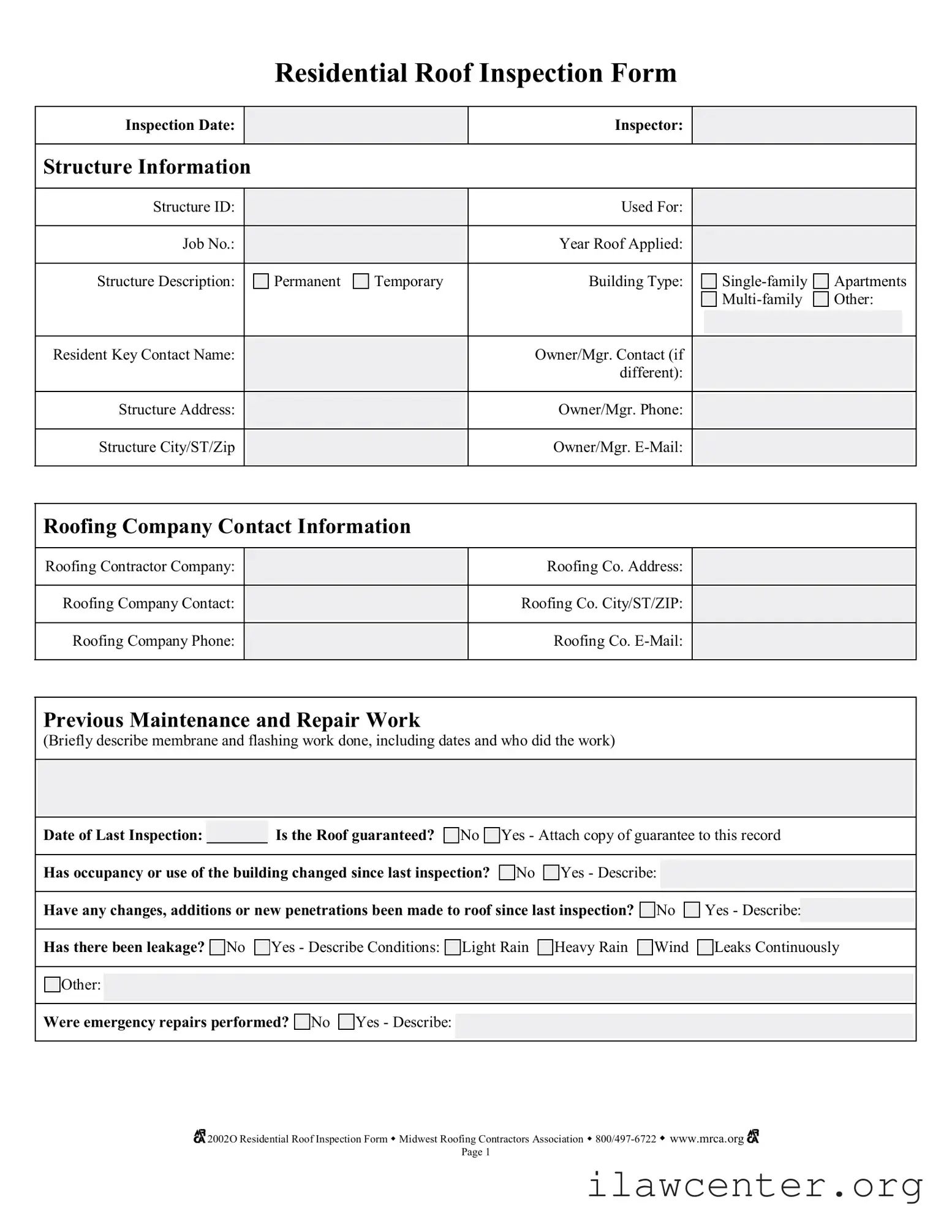
Residential Roof Inspection Form
2002O Residential Roof Inspection Form w Midwest Roofing Contractors Association w 800/497-6722 w www.mrca.org
Page 1
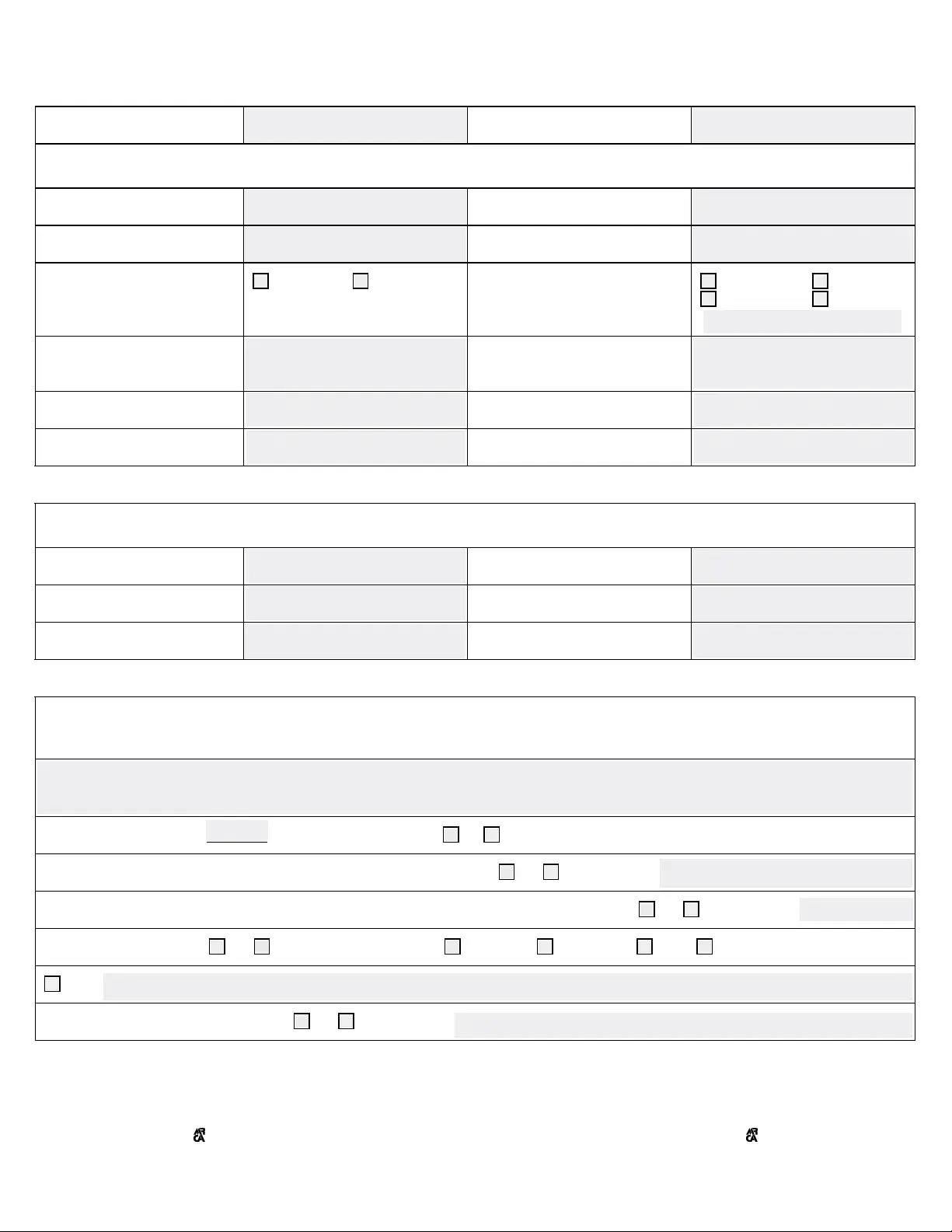
Inspection Date: Inspector:
Structure Information
Structure ID: Used For:
Job No.: Year Roof Applied:
Structure Description: Permanent Temporary Building Type: Single-family Apartments
Multi-family Other:
Resident Key Contact Name: Owner/Mgr. Contact (if
different):
Structure Address: Owner/Mgr. Phone:
Structure City/ST/Zip Owner/Mgr. E-Mail:
Roofing Company Contact Information
Roofing Contractor Company: Roofing Co. Address:
Roofing Company Contact: Roofing Co. City/ST/ZIP:
Roofing Company Phone: Roofing Co. E-Mail:
Previous Maintenance and Repair Work
(Briefly describe membrane and flashing work done, including dates and who did the work)
Date of Last Inspection: Is the Roof guaranteed? No Yes - Attach copy of guarantee to this record
Has occupancy or use of the building changed since last inspection? No Yes - Describe:
Have any changes, additions or new penetrations been made to roof since last inspection? No Yes - Describe:
Has there been leakage? No Yes - Describe Conditions: Light Rain Heavy Rain Wind Leaks Continuously
Other:
Were emergency repairs performed? No Yes - Describe:
Residential Roof Inspection Form
2002O Residential Roof Inspection Form w Midwest Roofing Contractors Association w 800/497-6722 w www.mrca.org
Page 2
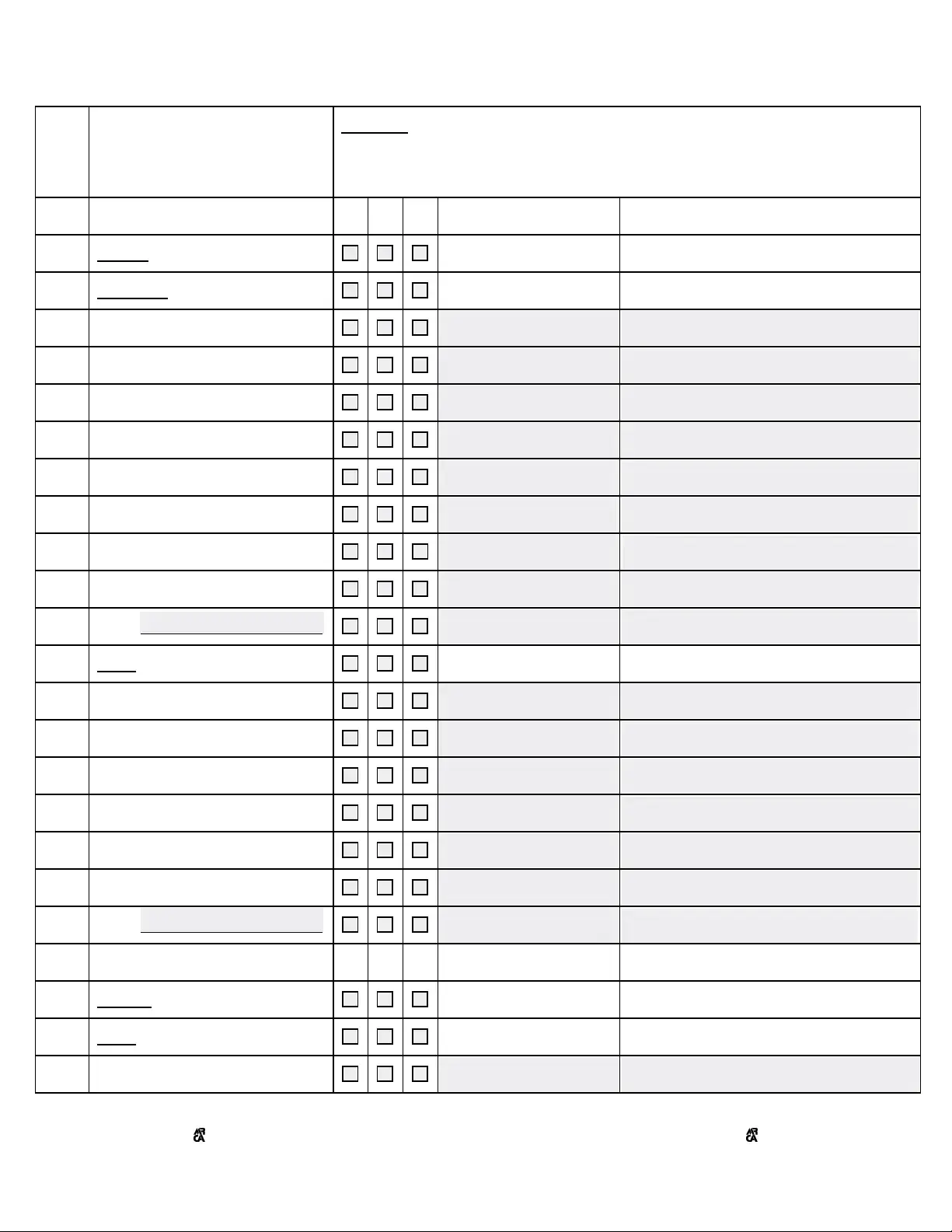
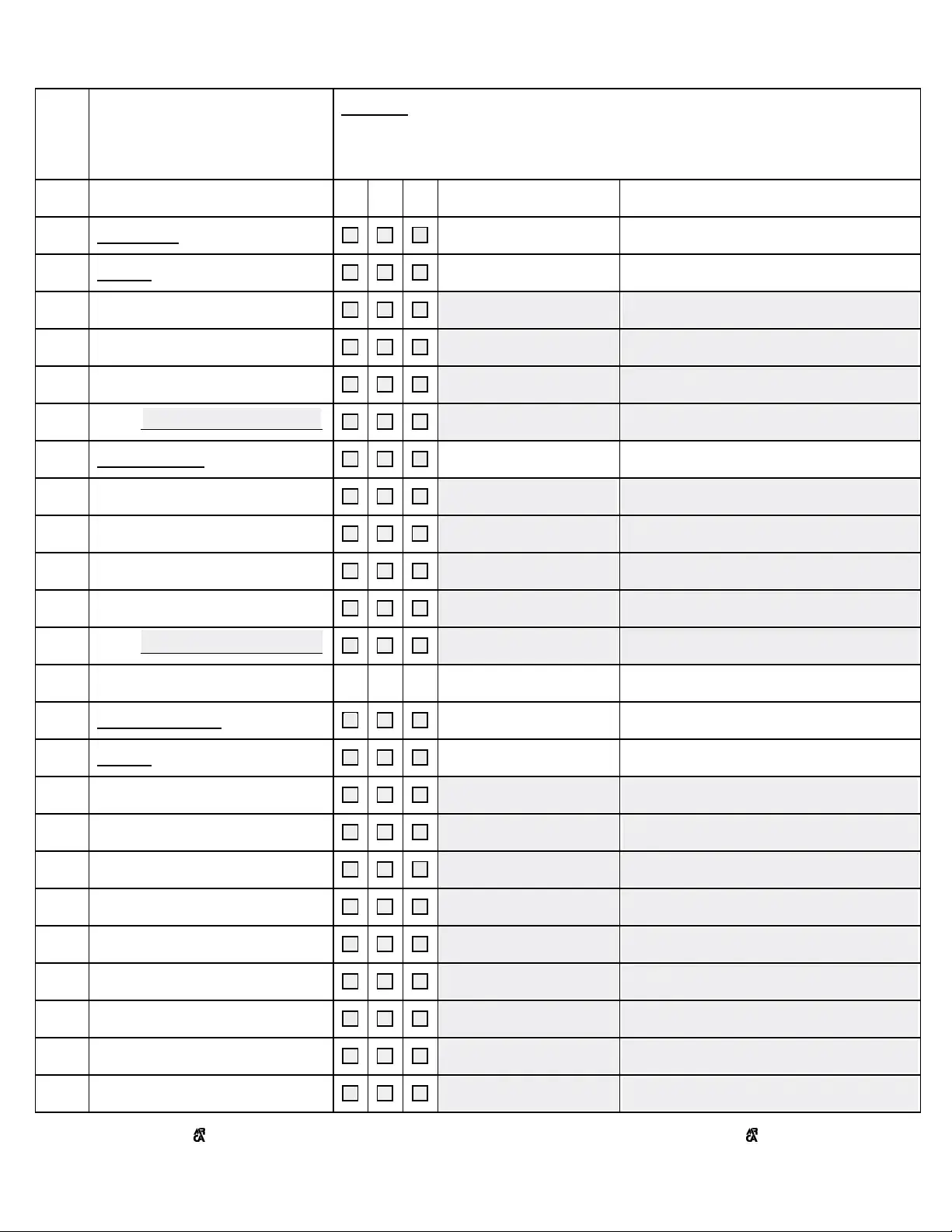
Code Condition
G = Good, No Action
F = Fair, Monitor Periodically
P = Poor, Immediate Action
G F P Location Action Taken
Interior
Roof Deck
A1 Corrosion
A2 Spalling (chipping or crumbling)
A3 Cracking
A4 Buckling
A5 Sagging
A6 Open Joints
A7 General Deck Condition
A8 Stains/Drips
A100 Other:
Walls
B1 Movement
B2 Settling
B3 Cracks
B4 Spalling (chipping or crumbling)
B5 Paint Peeling
B6 Water Stains
B100 Other:
Exterior
Walls
C1 Deteriorated Mortar Joints
Residential Roof Inspection Form
2002O Residential Roof Inspection Form w Midwest Roofing Contractors Association w 800/497-6722 w www.mrca.org
Page 3
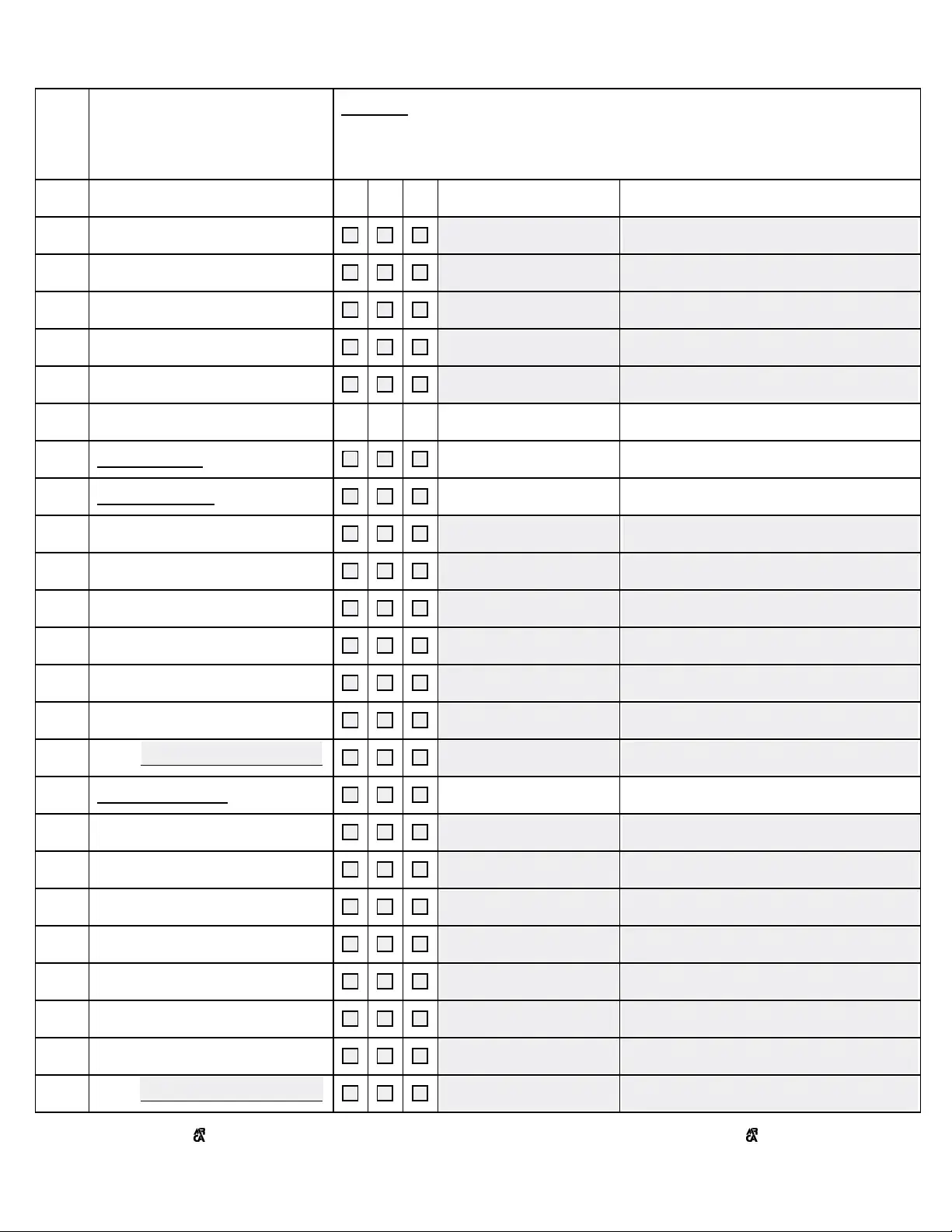
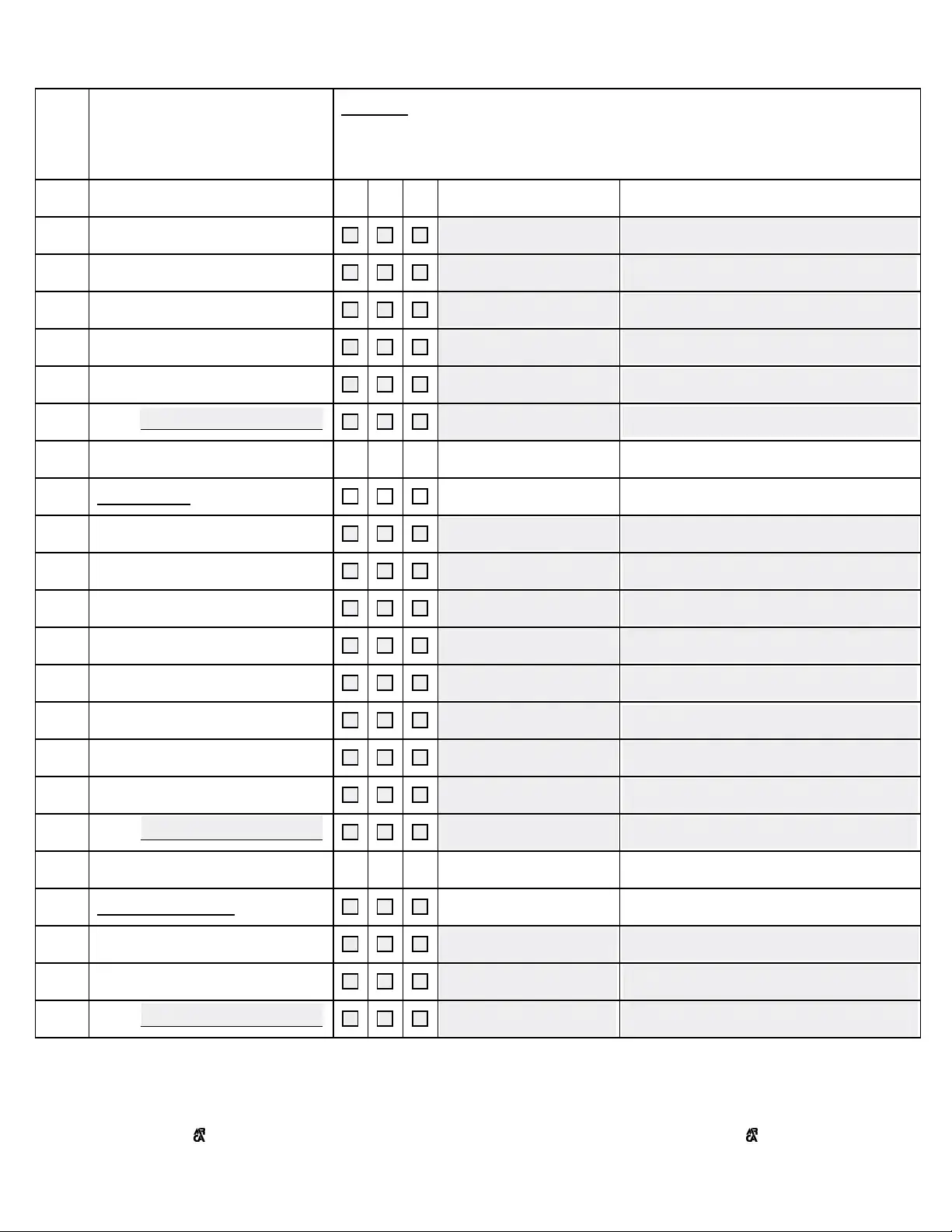
Code Condition
G = Good, No Action
F = Fair, Monitor Periodically
P = Poor, Immediate Action
G F P Location Action Taken
C2 Settlement Cracks
C3 Stains
C4 Efflorescence
C5 Windows
C7 Fascia Displaced
Metal Flashings
Counter Flashing
E1 Loose/Missing Fasteners
E2 Loose/Displaced Metal
E3 Deformed Metal
E4 Corrosion
E6 Sealant Joints
E7 Punctures
E100 Other:
Drains/Downspouts
L1 Strainers/Clamping Ring
L2 Clear of Debris
L3 Flashing
L4 Overall Cleanliness
L5 Gutter Anchors
L6 Drains/Downspouts
L7 Gutter General Condition
L100 Other:
Residential Roof Inspection Form
2002O Residential Roof Inspection Form w Midwest Roofing Contractors Association w 800/497-6722 w www.mrca.org
Page 4
Code Condition
G = Good, No Action
F = Fair, Monitor Periodically
P = Poor, Immediate Action
G F P Location Action Taken
Penetrations
General
K1 Pitch Pocket Sealant
K2 Loose Flashing
K3 Drawbands
K100 Other:
Conduit or Pipe
N1 Sagging
N2 Supports Moving
N3 Joints
N4 Corrosion
N100 Other:
Membrane/Shingle
General
O1 Discoloration
O2 Coating/Surfacing
O3 Cracking
O4 Wrinkles
O5 Punctures
O9 Delamination
O10 Alligatoring
O11 Granule Adhesion
O12 Standing Water
Residential Roof Inspection Form
2002O Residential Roof Inspection Form w Midwest Roofing Contractors Association w 800/497-6722 w www.mrca.org
Page 5
Code Condition
G = Good, No Action
F = Fair, Monitor Periodically
P = Poor, Immediate Action
G F P Location Action Taken
O13 Vandalism
O14 Foot Traffic Damage
O17 Mechanical Damage
O18 Exposed Felt/Deck
O19 Hail Damage
O100 Other:
Miscellaneous
R1 Antennas
R2 Guy Wires
R3 Ice or Icicles
R4 Oil Deposits
R5 Surface Contamination
R6 Soft Areas
R7 Vandalism
R8 Vegetative Growth
R100 Other:
Photographic Record
U1 Film/Digital Photograpy
U2 Video
U100 Other:
*Mark all items with the appropriate code on the roof plan grid. Keep copies of inspection forms and photographic or other evidence
with the Roof Historical Record.

File Properties

Fact Name Description
Inspection Date The form requires the date of the roof inspection to be noted, ensuring accurate records of when inspections occur.
Inspector Information It includes a section for the inspector's name, allowing for accountability and traceability of the inspection process.
Structure Details Users must provide detailed information about the structure, including ID, description, and type, which helps in identifying specific inspection needs.
Roof Condition Codes The form uses a coding system (G, F, P) to quickly convey the condition of various roof components, making it easier to assess maintenance needs.
Previous Maintenance Records There is a section dedicated to previous maintenance and repair work, which is crucial for understanding the roof's history and potential issues.
Emergency Repairs Inspectors must indicate if emergency repairs were performed, helping to highlight urgent issues that need immediate attention.
Owner Contact Information The form collects contact details for the owner or manager, facilitating communication regarding the inspection findings.
Governing Laws State-specific forms may be governed by local building codes and regulations, ensuring compliance with safety standards.

Instructions on Utilizing Roof Inspection

Completing the Roof Inspection form is essential for documenting the condition of a roof and any necessary maintenance. After filling out this form, it will be crucial to keep a record of the findings and any actions taken based on the inspection results. This information can help in future assessments and ensure the roof remains in good condition.

  1. Inspection Date: Write the date when the inspection is conducted.
  2. Inspector: Fill in the name of the person performing the inspection.
  3. Structure Information: Enter the Structure ID, its intended use, Job Number, year the roof was applied, and a brief description of the structure.
  4. Building Type: Indicate whether it is a single-family home, apartments, multi-family, or other.
  5. Resident Key Contact Name: Provide the name of the primary contact for the property.
  6. Owner/Manager Contact: If different, fill in the contact name of the owner or manager.
  7. Structure Address: Write the complete address of the structure.
  8. Owner/Manager Phone: Include the phone number of the owner or manager.
  9. Structure City/ST/Zip: Fill in the city, state, and ZIP code of the structure.
  10. Owner/Manager E-Mail: Provide the email address of the owner or manager.
  11. Roofing Company Contact Information: Enter the roofing contractor's company name, address, contact person, city/state/ZIP, phone number, and email.
  12. Previous Maintenance and Repair Work: Briefly describe any work done on the membrane and flashing, including dates and who performed it.
  13. Date of Last Inspection: Indicate when the last roof inspection took place.
  14. Roof Guarantee: Specify if the roof is guaranteed and attach a copy of the guarantee if applicable.
  15. Occupancy or Use Changes: Note if there have been any changes in occupancy or use since the last inspection.
  16. Changes, Additions, or New Penetrations: Describe any modifications made to the roof since the last inspection.
  17. Leakage Issues: Indicate if there has been any leakage and describe the conditions under which it occurred.
  18. Emergency Repairs: State whether any emergency repairs were performed and provide details.
  19. Condition Assessment: For various locations (interior roof deck, walls, exterior walls, drains, etc.), mark the condition as Good, Fair, or Poor, and describe the action taken.
  20. Photographic Record: Note if you have included any photographs or videos of the inspection.

Important Facts about Roof Inspection

What is the purpose of the Roof Inspection form?

The Roof Inspection form is designed to systematically evaluate the condition of a residential roof. It helps identify any issues that may require attention, such as leaks, structural damage, or deterioration. This form serves as a record for both current and future inspections, allowing for ongoing monitoring of the roof's health.

What information is required to complete the Roof Inspection form?

To complete the Roof Inspection form, several key details are needed. This includes the inspection date, inspector's name, structure information (such as ID, type, and description), contact information for the owner or manager, and details about the roofing company. Additionally, any previous maintenance or repair work, the date of the last inspection, and specific observations about the roof's condition must be documented.

How should previous maintenance and repair work be documented?

Previous maintenance and repair work should be briefly described on the form. This includes noting the type of work done on the membrane and flashing, the dates when the work was completed, and the names of those who performed the work. Accurate documentation helps provide context for the current inspection and informs any necessary future actions.

What does the condition coding system mean?

The condition coding system on the form uses three designations: G (Good), F (Fair), and P (Poor). A "Good" rating indicates no action is needed, while "Fair" suggests that monitoring is necessary. A "Poor" rating signifies that immediate action is required to address the identified issues. This system allows for a quick assessment of the roof's overall condition.

What should be done if leakage is detected during the inspection?

If leakage is detected, it is important to describe the conditions under which it occurred. This includes noting whether the leakage happened during light rain, heavy rain, or windy conditions. The inspector should also indicate if emergency repairs were performed and provide details on the nature of those repairs. This information is crucial for planning further action.

Is it necessary to attach documentation of roof guarantees?

Yes, if the roof is guaranteed, a copy of the guarantee should be attached to the Roof Inspection form. This documentation can be important for understanding the terms of the guarantee and for determining any obligations related to repairs or maintenance under that guarantee.

How should the findings from the inspection be recorded?

Findings from the inspection should be recorded on the Roof Inspection form using the appropriate codes for each observed issue. The inspector should mark all items on the roof plan grid and keep copies of the inspection forms along with any photographic or other evidence. This practice ensures that a comprehensive historical record of the roof's condition is maintained.

Common mistakes

Completing a Roof Inspection form is crucial for maintaining the integrity of a building. However, many people make common mistakes that can lead to inaccurate assessments. Here are eight mistakes to avoid when filling out this important document.

One frequent error is failing to provide the correct structure information. It’s essential to accurately fill out details such as the Structure ID, address, and type of building. Omitting or misrepresenting this information can lead to confusion and miscommunication later on.

Another mistake involves not documenting previous maintenance and repair work. This section is vital for understanding the roof's history. If you skip it or provide vague descriptions, you may overlook critical issues that need addressing during the inspection.

People often forget to indicate whether the roof is guaranteed. This is significant because it can affect future repairs or claims. If you select "Yes," ensure you attach a copy of the guarantee. Neglecting this step can create complications down the line.

Many individuals also overlook the importance of describing any changes to the building's occupancy or use. This information can influence the roof’s condition and should be clearly stated if applicable. A simple "No" may not suffice if there have been significant changes.

When detailing any leaks, it’s crucial to be specific about the conditions under which they occurred. Instead of just checking "Yes," provide details about the type of rain or wind experienced. This information helps in assessing the roof's vulnerabilities more accurately.

Emergency repairs performed should not be left unmentioned. If you select "Yes," describe the nature of these repairs. Failing to do so can result in misunderstandings about the roof's current state and any potential issues that may arise.

Another common oversight is not marking the condition codes properly. Each section requires a clear indication of whether the condition is good, fair, or poor. Mislabeling these can lead to a false sense of security or unnecessary alarm.

Finally, people often neglect to include photographic evidence or other documentation. Visual records can significantly enhance the inspection report. Without them, it may be challenging to support claims or recommendations made in the form.

Avoiding these common mistakes can lead to a more accurate and effective Roof Inspection. Taking the time to carefully complete each section ensures that the building receives the attention it needs.

Documents used along the form

The Roof Inspection form is a critical document used to assess the condition of a roof. However, several other forms and documents complement it, providing additional context and information that can be vital for maintenance, repairs, and overall management of the roofing system. Below is a list of related documents commonly used alongside the Roof Inspection form.

  • Maintenance Log: This document records all maintenance activities performed on the roof, including dates, types of work done, and the personnel involved. It helps track the history of upkeep and can be referenced during inspections.
  • Repair Work Order: A form used to authorize and document any repair work needed on the roof. It includes details about the nature of the repairs, materials used, and costs associated, providing a clear record for budgeting and planning.
  • Warranty Documentation: This document outlines the terms of any warranties associated with the roofing materials or installation. It is essential for understanding coverage and potential claims in case of defects or failures.
  • Contractor Agreements: Contracts between the property owner and the roofing contractor detailing the scope of work, payment terms, and responsibilities. These agreements ensure clarity and protect both parties' interests.
  • Building Inspection Report: A comprehensive evaluation of the entire building, including the roof. This report often highlights issues that may not be visible during a roof-only inspection, offering a broader perspective on the building's condition.
  • Weatherization Report: This document assesses how well the building, including the roof, can withstand weather conditions. It can provide insights into necessary improvements to enhance durability and performance.
  • Photo Documentation: Photographic records of the roof's condition, taken during inspections or after repairs. These images serve as visual evidence of the roof's state and can be useful for future reference or disputes.
  • Roof Plan or Blueprint: A detailed drawing of the roof layout, including slopes, drainage systems, and any penetrations. This document is crucial for understanding the roof's design and planning maintenance or repairs effectively.

These documents collectively enhance the understanding and management of a roofing system. By utilizing them alongside the Roof Inspection form, property owners and managers can ensure they maintain a safe and functional roof over their buildings.

Similar forms

  • Home Inspection Report: Similar to the Roof Inspection form, this document evaluates the overall condition of a property, including structural integrity and safety features. It provides a comprehensive overview, helping buyers and sellers make informed decisions.

  • Property Condition Assessment: This document focuses on identifying any potential issues within a property, including the roof. It highlights necessary repairs and maintenance, much like the Roof Inspection form, ensuring that all aspects of the property are considered.

  • Roof Maintenance Log: This log records all maintenance activities performed on a roof over time. It shares similarities with the Roof Inspection form in that it tracks repairs and inspections, helping to maintain the roof’s condition.

  • Building Code Compliance Checklist: This checklist ensures that a building meets local codes and regulations. Like the Roof Inspection form, it assesses specific components of the structure, including the roof, to ensure safety and compliance.

  • Insurance Claim Form: When damage occurs, this form is used to report and claim damages. It often requires detailed information about the roof’s condition, paralleling the Roof Inspection form’s thorough documentation of existing issues.

  • Maintenance Agreement: This document outlines the terms of maintenance services for a property, including the roof. It shares the Roof Inspection form’s focus on ongoing care and monitoring to prevent future issues.

  • Warranty Documentation: This document details the terms of any warranties associated with roofing materials or installation. It is similar to the Roof Inspection form in that it requires specific information about the roof and its maintenance history.

  • Environmental Assessment Report: This report evaluates potential environmental hazards affecting a property. While broader in scope, it includes aspects of the roof, similar to the Roof Inspection form’s focus on structural integrity and safety.

  • Real Estate Disclosure Statement: This statement provides potential buyers with information about the property’s condition, including the roof. It aligns with the Roof Inspection form by ensuring transparency regarding any known issues.

Dos and Don'ts

When filling out the Roof Inspection form, it is essential to approach the task with care and attention to detail. Here are five important do's and don'ts to keep in mind:

  • Do ensure all sections of the form are completed thoroughly. Missing information can lead to misunderstandings or delays in addressing issues.
  • Do use clear and concise language when describing previous maintenance and repairs. This information is crucial for understanding the roof's history.
  • Do attach any relevant documents, such as guarantees or previous inspection reports, to provide a comprehensive view of the roof's condition.
  • Don't leave out details regarding any changes or new penetrations made to the roof since the last inspection. Transparency is key to accurate assessments.
  • Don't forget to check for and document any signs of leakage or damage. This information can significantly impact future maintenance decisions.

Following these guidelines will help ensure that the Roof Inspection form is completed effectively, leading to better outcomes for the roof and its occupants.

Misconceptions

Misconceptions about the Roof Inspection Form

  • It is only for new roofs. Many people believe the Roof Inspection Form is only applicable to newly installed roofs. In reality, it is essential for all roofs, regardless of age, to ensure proper maintenance and safety.
  • Inspection forms are optional. Some individuals think that completing the Roof Inspection Form is not necessary. However, it is a crucial part of maintaining a roof's integrity and can help identify potential issues before they become serious problems.
  • Only professionals can fill it out. While a trained inspector typically completes the form, homeowners can also provide valuable information. Your observations about the roof's condition can assist in creating a more comprehensive report.
  • Roof inspections are only needed after leaks occur. Many believe that inspections should only happen when there is visible damage or leaks. Regular inspections can prevent leaks and other issues by identifying them early.
  • The form is too complicated to understand. Some people may feel overwhelmed by the technical details of the Roof Inspection Form. The form is designed to be straightforward, making it accessible for anyone to understand and use.
  • It covers only the roof surface. A common misconception is that the form only addresses the roof's exterior. In fact, it also includes assessments of the interior, drainage systems, and other structural elements.
  • Once completed, the form is no longer useful. Some individuals think that after filling out the form, it becomes irrelevant. On the contrary, keeping a record of past inspections is vital for tracking the roof's condition over time and planning future maintenance.

Key takeaways

When filling out and using the Roof Inspection form, consider the following key takeaways:

  • Accurate Information: Ensure that all fields are completed accurately, including the structure ID, inspection date, and contact details for the owner or manager.
  • Document Previous Work: Include a brief description of any previous maintenance or repair work done on the roof, including dates and contractors involved.
  • Condition Assessment: Use the provided codes (G, F, P) to assess the condition of various roof components. This will help determine if immediate action is needed.
  • Record Changes: Note any changes to the building's occupancy or modifications made to the roof since the last inspection, as this can impact the roof's condition.
  • Maintain Records: Keep copies of the completed inspection forms along with any photographic evidence. This will help maintain a historical record of the roof's condition over time.